
Ever wondered if every parent dreads those unpredictable toddler tantrums in public—or if there’s a way to handle them calmly and confidently? For many, the fear of a full-blown meltdown in a crowded grocery store or busy park is a source of daily anxiety. But what if these moments aren’t just unavoidable mishaps, but opportunities for both you and your child to grow? In this comprehensive guide, we’ll unlock proven strategies to transform public tantrums from stressful battles into valuable learning experiences, equipping you to respond with grace, empathy, and composure wherever you go.
Are Toddler Tantrums in Public Unavoidable?
Every parent, at some point, faces the daunting experience of a public tantrum. Whether in the checkout line at the grocery store or during a family dinner out, toddler tantrums in public can feel like a universal rite of passage. But the real question is—are these outbursts truly unavoidable, or can parents take steps to minimize their occurrence and intensity?
Understanding public tantrums begins with acknowledging that they are a natural part of early child development. Young children often have a hard time expressing big emotions, especially when they encounter new environments filled with unfamiliar sights and sounds. Triggers such as hunger, fatigue, overstimulation, or thwarted desires can easily overwhelm a young child and lead to a meltdown. However, with the right awareness, preparation, and strategies, parents can not only manage these incidents but also reduce how often they occur. It’s important to recognize that while you may not be able to control every situation, you can absolutely influence how you and your child navigate these stressful situations, turning public tantrums into teachable moments.
Understanding the Causes of Toddler Tantrums in Public Settings
Before diving into solutions, it’s essential to grasp why public tantrums happen in the first place. A public setting introduces a host of new variables that can confound or overwhelm young children. The bright lights, constant noise, and presence of strangers can unsettle even the most easygoing toddler. Add in unexpected changes, like not buying a toy or snack, and you’ve got a recipe for a public meltdown.
Often, the root of a tantrum in public comes down to a child’s limited capacity to process big feelings. Unlike adults, toddlers lack the verbal and emotional tools to communicate frustration, disappointment, or fatigue. Instead, they externalize these sensations—sometimes loudly and with intense emotion. Parental stress, hurried errands, or deviations from routine can amplify these reactions, making “bad behavior” more likely to surface outside the familiar comfort of home.
While managing a toddler’s outburst in public can be challenging, it’s important to remember that discipline strategies rooted in empathy and understanding are far more effective than punitive measures. For a deeper look at why traditional punishment often backfires and how positive parenting can transform these moments, explore the benefits of embracing positive parenting strategies.

The Impact of a Public Tantrum on Children and Parents
No parent is immune to the embarrassment or frustration of managing a tantrum in public. The emotional intensity of these moments affects both the parent and child. Children, experiencing overwhelming feelings, may not feel safe or understood, which can prolong the episode. For adults, the pressure of onlookers, cultural expectations, and personal stress can trigger a rush of self-doubt or defensiveness.
However, these public displays are not signs of failure. They are expressions of the human condition, particularly in little ones just learning how to navigate big emotions and boundaries. When parents stay calm, validate feelings, and provide a safe, calming presence, children learn constructive coping skills. In the long term, addressing public tantrums with patience strengthens the parent-child relationship and builds a child’s confidence in handling strong feelings.
What You'll Learn About Toddler Tantrums in Public
- The psychology behind toddler tantrums in public places
- Practical, proven methods to quickly manage a public tantrum
- How to keep your own stress in check during public meltdowns
- When public tantrums may signal deeper concerns
- Parenting strategies for future prevention
Table: Quick-Reference Guide to Handling Toddler Tantrums in Public
| Scenario | Immediate Response | Long-Term Strategy | What Not To Do | Support Resources |
|---|---|---|---|---|
| Toddler melts down in a grocery store over denied snack | Get down to child’s level, validate feelings, offer comfort | Practice saying “no” gently at home, teach patience | Don’t scold loudly or punish on the spot | Parenting support groups, online forums |
| Sudden outburst in a crowded restaurant | Remove child to a quieter space, take deep breaths together | Prep child before outings, bring comfort items | Don’t shame or ignore the child | Pediatrician, child development experts |
| Toddler screams during family event (sensory overload) | Assess safety, offer sensory break (headphones/snacks) | Build tolerance to noisy settings gradually | Don’t force child to “tough it out” | Occupational therapy, sensory guides |
| Tantrum at library or playgroup due to sharing conflict | Stay calm, mediate gently, redirect attention | Model sharing, practice role-play at home | Don’t intervene aggressively or blame | Early childhood educators |
"Remember: Every public tantrum is an opportunity for both you and your child to learn."
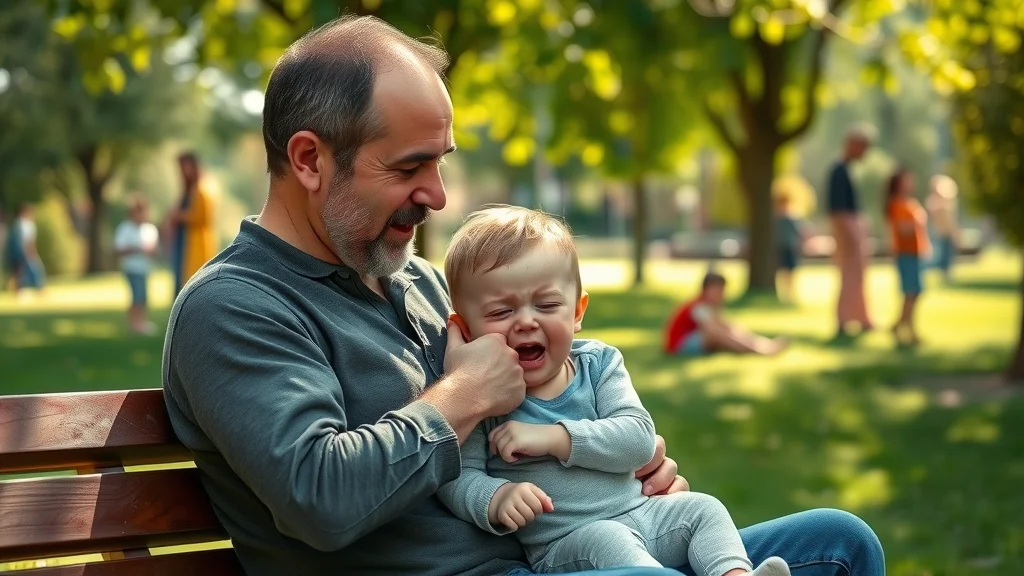
Why Do Toddler Tantrums Happen in Public?
Understanding the unique triggers of toddler tantrums in public is crucial for any parent. Public places can overstimulate and overwhelm even the most adaptable child. Crowds, bright lights, strong smells, and unexpected noises offer a more intense sensory experience than a child’s normal environment. Add unmet desires—like wanting a candy bar at a grocery store—and it’s not hard to see why these moments can escalate so quickly.
Public meltdowns often emerge from a clash between a child's limited impulse control and their powerful, immediate needs. At home, routines are established, and children often know the rules. But in public, the unpredictability and pressure can be bewildering for a young child. Since emotional regulation is still developing, these uncontrollable feelings spill over, resulting in a full-blown public tantrum. Empathy and understanding, rather than judgment, are key to addressing and preventing such outbursts.
Common Triggers for Public Tantrums
Public tantrums aren’t random; most follow familiar triggers. A grocery store trip near naptime or a missed snack can push a tired, hungry, or overstimulated child over the edge. Limited choices, thwarted desires, and sensory overload—like loud announcements or crowded aisles—ignite frustration. Children have a hard time because they lack the vocabulary to express what they need or feel, so these strong emotions erupt as tantrums.
Other triggers for a public meltdown include abrupt transitions, being rushed along, or not having a comfort object. Even seeing another child with something they want can catalyze “bad behavior.” Recognizing these catalysts is half the battle; with foresight parents can plan errands around meals and naps or bring along distractions to help children feel calmer.

How Public Meltdowns Differ from At-Home Tantrums
Public meltdowns and at-home tantrums may look similar on the surface, but key differences exist. In public, the stakes feel higher for both parent and child. Parental stress and the pressure of social scrutiny can raise anxiety, making it harder for adults to stay calm.
For toddlers, public spaces are unpredictable and less familiar. The overwhelming sights and sounds may derail established coping mechanisms. In a familiar environment like home, routines and comfort provide a buffer, whereas public places often strip away these supports, heightening the risk and intensity of a meltdown.
Developmental Factors Behind Tantrums in Public Places
The developmental stage of a young child plays a significant role in public tantrums. Toddlers are still learning about boundaries, self-control, and how to process their big feelings. Their language skills are limited, making it easier to express distress with a scream than with words.
Frustrations can seem overwhelming to toddlers, especially when they feel misunderstood, tired, or powerless. A tantrum in public can be a signal of developmental milestones—or roadblocks—that children must overcome. Recognizing these factors allows parents to respond with patience, staying mindful that every tantrum is a stage in emotional growth.
Public Tantrums Versus Public Meltdowns: Key Differences
While often used interchangeably, a public tantrum typically involves a child seeking attention or a desired outcome (like a toy or candy), while a public meltdown is usually a response to overwhelming sensory input or emotional overload. In a tantrum, a child may pause to see if you’re watching, but a meltdown is more about losing control than getting a reaction.
Understanding the difference helps in “assessing the situation” and choosing the proper response. Tantrums may respond to distraction or calm boundaries, whereas meltdowns require removing the child from the overstimulating environment and focusing on helping them feel safe and regain composure.
How to Prepare for Potential Toddler Tantrums in Public
- Recognizing early warning signs of public tantrums
- Packing a tantrum toolkit: essentials every parent should carry
- Setting clear expectations before leaving home
- Educating your toddler about public behavior
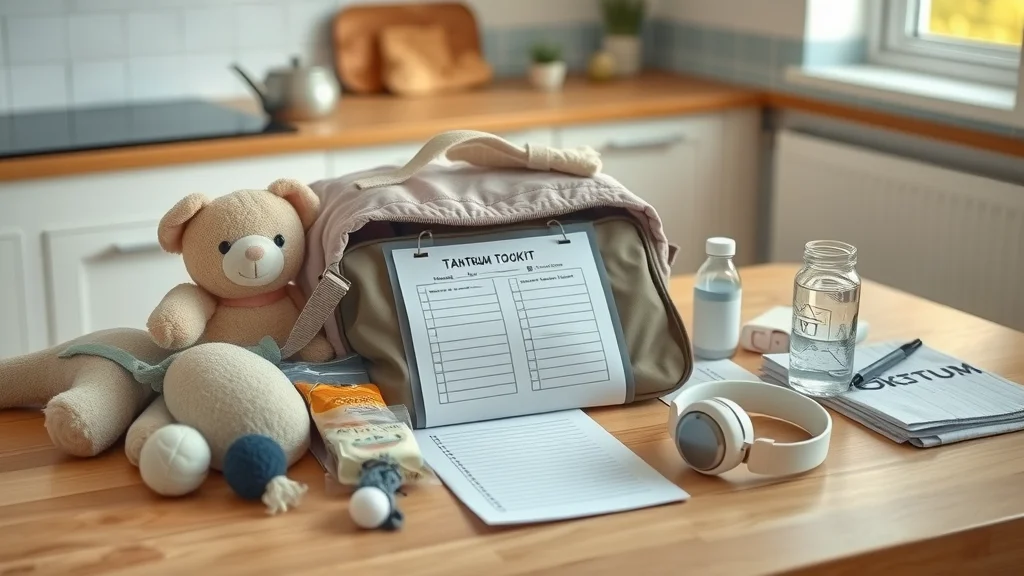
Proven Strategies to Manage Toddler Tantrums in Public
Immediate Steps for Calming a Public Tantrum
When a public tantrum strikes, the first step is maintaining a calm presence. Take a deep breath, get down to your child's level, and use a soft, reassuring voice. If it’s safe, validate their feelings with simple statements like, “You’re upset because you can’t have the candy.” Immediate empathy reassures your child and helps de-escalate their big emotions before they grow out of control.
You may then offer physical comfort—like a gentle touch or hug—or guide your child to a quieter space if the situation allows. Sometimes simply sitting together on the sidelines, allowing them to regain composure, can help your child feel calmer. Avoid engaging in lengthy negotiations or giving in to demands, as these can reinforce the behavior over time. Instead, focus on connection, safety, and returning to calm.

Redirecting Your Toddler’s Attention During a Public Outburst
Redirection is a tried-and-true technique for managing public tantrums. When you notice your child becoming agitated, shift their focus by pointing out something interesting (“Look at that big balloon!”) or offering a favorite snack or toy from your tantrum toolkit. Small distractions, like a soundbite of music on your phone or a quick game of “I Spy,” work wonders to interrupt the emotional spiral.
The key is timing—try redirecting attention before the tantrum reaches peak intensity. This not only helps your child feel acknowledged but also cultivates flexible thinking skills. Practicing redirection in low-stakes situations at home can build your parenting confidence for those more stressful public moments.
Staying Calm Yourself: Tools for Parental Composure
Staying calm amid a public meltdown isn’t always easy, but your composure sets the tone. Practicing self-soothing techniques—like counting to ten, mindful breathing, or even a brief mental reset—signals to your child and everyone around that you are in control. Remind yourself that these events are part of the human condition and not a reflection of your parenting skills alone.
If you find your own stress levels rising, mentally reiterate supportive statements: “My child is having a hard time, not giving me a hard time.” Seek a trusted adult’s help if available, and don’t be afraid to remove yourself (and your child) from the hotspot if that’s best for both of you. With practice, maintaining a calm presence becomes second nature, helping everyone feel safer and more secure.
Navigating Onlookers and Social Judgment During Public Tantrums
One of the toughest elements of parenting in public is dealing with critical stares or unsolicited advice. Remember, your focus is on your child’s wellbeing, not on appeasing strangers. Most veteran parents have been exactly where you are and will empathize, not judge. Use simple, direct body language: maintain eye contact with your child and speak in a low voice to conserve energy and minimize the spectacle.
If you must explain, a brief “She’s having a hard time—thank you for your patience” suffices. Avoid apologizing for your child’s “bad behavior,” as this can reinforce feelings of shame. Instead, model confidence: respond with warmth and move forward, knowing that every public tantrum is a moment for growth.

When to Remove Your Child from the Situation
Sometimes, the best way to resolve a tantrum in public is to exit the environment. If your child’s safety is at risk, or if escalation seems inevitable, calmly communicate that you’ll step outside together until everyone feels better. Removing your child doesn’t mean you’re giving in—rather, it prioritizes emotional regulation over immediate compliance.
Once in a safe, quiet spot, help your child calm down, offering comfort and a chance to regroup. This break also gives you a moment to feel calm and re-enter the situation with fresh perspective. Over time, your child will associate public outings with supportive interventions—not shame—building confidence and coping skills for future challenges.
Handling Aftermath: What to Do Post-Tantrum in Public
- Comforting your toddler after a public meltdown
- Reframing the experience for both you and your child
- Communicating about the experience in age-appropriate ways

Preventing Future Public Tantrums: Building Coping Skills
Prevention centers around equipping both you and your child with new tools. Help your child recognize early signs of frustration and practice calming strategies together. Play-acting scenarios or reading stories about big emotions can make it easier for them to identify and name feelings, building resilience for future public tantrums.
Reward calm behavior and progress, no matter how small. Praise your child when they handle disappointment well, even if they needed reminders. Reaffirming your love and presence—especially after a difficult outing—nurtures their sense of safety and belonging.
The Role of Routine and Consistency in Preventing Public Tantrums
Children thrive on routine and consistency. Make public outings as predictable as possible. Share your plans with your child so they know what to expect (“We’re going to the grocery store for three things, and then we’ll visit the playground”). Prepare them for transitions, and bring familiar comfort items to ease anxiety.
Stick to regular meal, nap, and potty schedules as much as possible. Consistency helps your child feel secure, empowering them to handle the unpredictable moments with greater ease and fewer outbursts. Over time, these efforts reduce the frequency and intensity of public meltdowns.
Special Cases: When Public Tantrums Reveal Bigger Issues
Recognizing Signs of Frequent or Escalating Public Meltdowns
If you notice public tantrums becoming more frequent, longer lasting, or more intense, consider looking for underlying causes beyond routine frustrations. Sensory processing challenges, communication delays, or significant changes (like moving or the birth of a sibling) can contribute to persistent outbursts.
Monitor patterns and trust your instincts. If tantrums regularly involve aggression, self-harm, or seem unmanageable despite consistent strategies, it may be time to reach out for professional support.

When to Seek Guidance From Pediatric or Child Behavior Professionals
Deciding when to consult an expert involves watching for red flags: excessive duration (longer than 15–20 minutes), loss of control even in calm settings, or behaviors that put your child or others at risk. If public tantrums impact daily life or emotional wellbeing, a pediatrician or child psychologist can help you assess developmental or behavioral factors and provide personalized guidance.
Getting help is not an admission of failure, but a proactive step to support both your child’s growth and your own confidence in handling challenging behaviors—public or otherwise.
Understanding Sensory Overload and Its Impact on Public Tantrums
For some young children, crowded, noisy environments trigger sensory overload. These children may react more strongly and suddenly than peers in response to ordinary stimuli—such as bright lights or a sudden soundbite of music in a grocery store. Signs include covering ears, closing eyes, or extreme distress around crowds.
Building awareness of your child’s sensory limits can prevent many public meltdowns. Bringing noise-cancelling headphones, fidget toys, or having an exit plan can make outings more manageable for sensitive children, boosting their sense of safety and your peace of mind.
People Also Ask: How to Stop a Toddler from Screaming in Public?
Answer: Tips and Strategies for Quieting a Public Tantrum Quickly
The best response to a screaming toddler tantrum in public is to stay calm and meet your child’s eye at their level. A gentle touch and validating words work faster than trying to “reason” with them. Use redirection—offering a small toy, snack, or favorite activity—to shift their focus. If safe and practical, remove your child from the overstimulating environment, even if just briefly. Consistent, calm intervention—and not giving in to disruptive demands—teaches that big feelings are okay but must be handled in safe, respectful ways.

People Also Ask: Why Do Kids Throw Tantrums in Public?
Answer: Common Reasons for Public Tantrums in Young Children
Kids throw public tantrums for many reasons: frustration, tiredness, disrupted routines, or overstimulation. Public places mean new rules, strange faces, and unpredictable outcomes. Young children are still mastering self-control and often have a hard time managing big emotions in overwhelming spaces. Desire for attention, unmet wants, and transitions are common triggers. The key is recognizing these as communication attempts, not simply “bad behavior.”

People Also Ask: What is Normal for a 2 Year Old Tantrum?
Answer: Typical Public Tantrum Behaviors at Age Two
For a two-year-old, tantrums can include crying, screaming, hitting, flopping to the floor, or even brief breath-holding. These are normal behaviors at this age, especially when routines are disrupted or if the child is hungry, tired, or overwhelmed. Most public tantrums last less than 10 minutes and fade as children develop language and emotional coping skills. Consistent, calm responses from caregivers are the best way to guide toddlers through this challenging phase.
People Also Ask: How to Discipline a Toddler in Public?
Answer: Effective and Respectful Discipline Methods for Public Tantrums
Disciplining a toddler tantrum in public doesn’t mean punishment. Instead, it’s about setting clear, age-appropriate boundaries and teaching through empathy. Remove your child from the scene if possible, give a brief, calm explanation (“We can’t throw things—we take a break when upset”), and later discuss better choices. Avoid harsh or public scolding, which can shame a child and intensify strong feelings. Consistency, follow-up at home, and gentle reminders of expectations are the most effective long-term strategies.
Lists: Dos and Don'ts During a Public Tantrum with Your Toddler
- Do: Remain calm and speak softly
- Do: Remove your child from overwhelming environments
- Don't: Yell or escalate the situation
- Don't: Punish harshly in public
Quote: Expert Advice on Managing Public Tantrums
"Preparation and presence are your greatest allies when facing public tantrums. – Pediatric Psychologist"
FAQs: Your Questions About Toddler Tantrums in Public, Answered
-
How long do public tantrums typically last?
Most public tantrums are brief, usually lasting five to ten minutes. Occasionally, a particularly intense tantrum may last longer, but with consistent, calm intervention, the duration often shortens as children learn coping skills. -
Is it okay to ignore a tantrum in public?
If the tantrum is safe and not escalating, ignoring minor outbursts may help prevent reinforcing attention-seeking behaviors. However, always supervise your child and offer comfort if distress persists or the tantrum becomes a safety concern. -
Can rewarding calm behavior prevent future tantrums?
Yes, acknowledging and praising your child when they self-regulate or use words during a difficult moment encourages positive behaviors. Rewards don’t have to be material—affection and verbal praise are powerful motivators for young children. -
Should I apologize to strangers during a public meltdown?
A brief, polite acknowledgment may be appropriate (“Thanks for understanding”), but focus your attention on helping your child. Most people who have been there understand, and your calm presence matters most in the moment.
Key Takeaways: Managing Toddler Tantrums in Public
- Public tantrums are a normal part of child development
- Preparation and composure are essential
- Most public meltdowns can be shortened with calm intervention
- Seek additional support if tantrums are frequent or severe
Conclusion: Embracing the Challenge of Toddler Tantrums in Public
Summing Up: Growth for Both Parent and Child
Remember, every public tantrum offers a unique chance to model patience and resilience. With preparation, empathy, and composure, you turn stressful public moments into opportunities for both you and your child to grow.
If you’re ready to take your parenting approach even further, consider exploring the broader philosophy behind positive discipline and why it’s so effective for long-term growth. By understanding the science and strategies behind positive parenting, you’ll be better equipped to nurture emotional intelligence and resilience in your child—both in public and at home. Discover how shifting away from punishment can create a more connected, confident family dynamic by reading why positive parenting strategies are transforming families everywhere. Your journey toward calmer, more rewarding parenting starts with the next step you take.


Write A Comment