
Did you know that behavioral issues affect 1 in 6 children in the United States? According to the CDC, effective communication between parents and kids is considered one of the most powerful solutions—unlocking better listening, fewer power struggles, and stronger connections in families. The way we talk so kids will listen isn’t just a parenting trend; it’s a game changer for raising resilient, respectful young people.
Startling Facts: Why How to Talk So Kids Will Listen Matters in Parenting
Parenting today presents unique challenges, with shifting family dynamics, digital distractions, and increased pressure on both adults and children. Evidence shows that how to talk so kids will listen impacts child development, emotional health, and even family harmony. That statistic from the CDC—1 in 6 children in the United States facing behavioral struggles—provides a compelling reason for parents to rethink their approach. Experts, including Adele Faber and Julie King, repeatedly highlight that improving your communication skills is one of the most effective interventions available to parents of kids ages 2 to 18. The right words (and tone) can make all the difference between a power struggle and a productive conversation, often preventing issues before they start. For struggling parents or even those who simply want to strengthen connections, developing better ways to talk so kids will listen is both an urgent need and an achievable goal.
"According to the CDC, behavioral issues affect 1 in 6 children in the United States, and effective communication is often cited as a key solution."

What You'll Learn About How to Talk So Kids Will Listen
- Foundational principles of talking so kids will listen
- Insights from Adele Faber and Julie King
- Practical techniques for effective communication with children
- Common pitfalls and how to avoid them
- Data-driven insights and expert opinions
Opinion: Why the Art of Talking So Kids Will Listen is More Important Than Ever
Modern parenting requires more than just setting rules—it demands true dialogue. In a world where kids absorb messages from media, school, and friends, the parental voice must stand out as both clear and compassionate. I firmly believe that the secret to lasting influence is the ability to talk so kids will listen. This isn't just about compliance; it's about raising children who feel seen, understood, and respected. As families grow busier and stresses mount (from remote work to homework headaches), those moments of effective communication build trust and resilience. When parents master the art, they don’t just get better listeners—they build lifelong relationships based on openness and mutual understanding. From my perspective, learning these skills isn’t optional for today’s families; it’s absolutely essential for healthy development and a peaceful home.
"When you truly talk so kids will listen, you’re not just exchanging words—you’re shaping the relationship for a lifetime."

Understanding the Basics: How to Talk So Kids Will Listen
The foundation for effective parenting is built on mutually respectful communication. To talk so kids will listen, parents must move beyond automatic instructions or lectures. Recognizing and respecting a child’s feelings is a game-changer. Empathy, validation, and clarity create fertile ground for a child to not only listen but to talk so parents will listen in return. Drawing on principles pioneered by Adele Faber and Julie King—whose books and live online workshops have guided countless families—these methods are proven across diverse cultures and ages.
One recurring theme in leading parenting books and blog posts is the need for adults to actively listen and acknowledge feelings before problem-solving. This means using language kids understand and setting clear, fair expectations. Communicating on their level (physically and emotionally) shows that you respect their views and needs. As customers find the book How to Talk So Kids Will Listen & Listen So Kids Will Talk by Adele Faber, or seek Julie King's advice and techniques, they often report an immediate improvement in family dynamics. Live group workshop programs, led by Julie King, reinforce that these are skills for every parent, not simply struggling parents.
While these communication strategies are essential, it's also important to consider how discipline methods impact your child's willingness to listen. Exploring why traditional punishment often falls short can help parents adopt more positive, effective approaches—discover more in this guide on embracing positive parenting instead of relying on punishment.
Key Principles from Adele Faber and Julie King
- Empathy and validation
- Setting clear expectations
- Active listening strategies

Techniques on How to Talk So Kids Will Listen
Let’s get practical. Science and real-life experience both show that what you say—and how you say it—has measurable impact on whether kids will listen. Adele Faber and Julie King advocate for language that is direct, simple, and firmly delivered with kindness. This approach supports not just compliance but also self-esteem and emotional regulation in children. For parents of kids ages 3 to 12 especially, tools like offering limited choices, maintaining composure, and naming feelings first can diffuse tension and get kids to listen so kids will talk openly in return.
The most successful parents use a toolbox of simple but effective strategies: getting down to the child's level, making eye contact, and using collaborative language when setting boundaries. Importantly, these are not just tactics for “little kids”—they work across age groups and communication challenges. When parents avoid threats or bribes in favor of empathy and clear instructions, they see dramatic improvements in their child’s willingness to listen and cooperate, as shared in many parenting blog posts and online workshop feedback. The comparison below makes it easy to see how Faber and King’s systems stack up against common approaches.
Practical Communication Tips Every Parent Should Know
- Use simple, clear language
- Get down to the child’s eye level
- Offer limited choices
- Acknowledge feelings before giving instructions
| Technique | Adele Faber | Julie King | Common Parenting Approaches |
|---|---|---|---|
| Empathy & Validation | Central Principle | Emphasized in every step | Sometimes overlooked |
| Clear Expectations | Set boundaries with respect | Reframes limits as choices | Rules often given as ultimatums |
| Active Listening | Listen before reacting | Listen & reflect back emotions | Parents tend to interrupt or explain immediately |
| Limiting Choices | Offer a few reasonable options | Key to daily decision moments | Choices may not be offered |

Video Insight: How to Talk So Kids Will Listen in Action
A visual explainer modeling techniques from Adele Faber and Julie King, reenacting real parent-child communication scenarios in bright, inviting home settings.
People Also Ask: How to talk so kids will listen techniques?
Practical Techniques for How to Talk So Kids Will Listen
Leading voices like Julie King and Adele Faber agree: it starts with connection, not correction. If you want to talk so kids will listen, prepare to invest time in active listening and emotional validation. Julie King shared in a recent live online workshop that “listening and responding with empathy can transform both behavior and the parent-child relationship.” This means expressing understanding—before you problem-solve. Use fewer words, choose your timing, and keep instructions simple. Offer choices as often as possible to encourage independence. These steps, modeled repeatedly in their parenting books and in group workshop programs, consistently produce better results—even when parents first struggled to get kids to listen so kids will talk with honesty and trust. The most effective families use these strategies not only to gain cooperation, but to invite their kids into deeper, open communication.
"Listening and responding with empathy can transform both behavior and the parent-child relationship." — Julie King

People Also Ask: What is the 7 7 7 rule parenting?
Explaining the 7 7 7 Rule Parenting and Its Relevance
The 7 7 7 rule parenting is a new approach recently visited in live online workshops, especially for parents of kids ages 8 to 14. The rule itself is simple—but powerful: spend 7 minutes talking, 7 minutes listening, and 7 minutes doing a cooperative activity, all in one sitting. Developed as a response to rushed modern schedules, this strategy ensures balanced, quality connection and models the value of both talking and listening so kids will listen and share. As discussed at an online group workshop led by Julie King, this approach helps build practical communication skills and mutual respect. Whether you read this book or simply want actionable advice and techniques, the 7 7 7 rule is a flexible way for struggling parents to reset daily routines and reconnect meaningfully with little kids and older children alike. For many, it has become a cornerstone of their communication strategy—ensuring their kids will talk and parents will truly listen.
"The 7 7 7 rule emphasizes timed approach—7 minutes of talk, 7 minutes of listening, 7 minutes of cooperative activity."
People Also Ask: How to discipline a child that won't listen?
Disciplinary Tactics that Encourage Kids Will Listen
- Use natural consequences
- Stay calm and consistent
- Collaborate on finding solutions
Discipline is most effective not when it’s punitive, but when it’s constructive and backed by collaboration. If you struggle with how to talk so kids will listen—especially around discipline—experts recommend focusing on natural consequences and positive solutions. Instead of issuing threats or bribes (which rarely foster long-term growth), involve your child in problem-solving. Stay calm, state your expectations clearly, and help kids reflect on outcomes. This helps transform discipline into a learning experience and builds trust—shifting the dynamic so kids will listen and share their own perspectives. As countless parents of kids ages 2 to 12 have found in workshop programs led by Julie King and Adele Faber, these methods reduce power struggles and lay the groundwork for lifelong resilience and cooperation. For tough moments, remember that consistency and empathy outweigh strictness every time.

People Also Ask: How to talk so your kids will listen summary?
Summary: How to Talk So Kids Will Listen in a Nutshell
The best advice and techniques for how to talk so kids will listen can be captured in a handful of essential dos and don'ts. Drawing on the expertise of Adele Faber and Julie King, as well as wide-ranging feedback from customers who find the book life-changing, the summary below streamlines the key elements.
| Do | Don’t |
|---|---|
| Reflect kids' feelings and validate their emotions | Dismiss or minimize their feelings |
| Offer choices and encourage input | Give only orders or use threats |
| Communicate at your child's level (eye contact, kind tone) | Shout from another room or use a harsh tone |
| Set clear and consistent boundaries | Set confusing or frequently changing rules |
| Listen fully before responding | Interrupt or rush the conversation |

Common Pitfalls: Why Kids Won’t Listen and How to Avoid Them
- Overloading with instructions
- Ignoring the child’s perspective
- Using threats or bribes rather than collaboration
The most frequent mistakes parents make can be traced back to overwhelm or misunderstanding. Overloading your child with a barrage of instructions often causes them to tune out, not in defiance, but from cognitive overload. Ignoring your child’s unique point of view—however “irrational” it may seem—shuts down trust and makes it less likely that kids will listen or talk to you when it matters most. Relying on bribes or threats may yield quick compliance, but at the cost of real connection and self-motivation. Instead, the most successful parents draw on the advice in every parenting book by Adele Faber and Julie King: slow down, involve your child, and work together to find solutions. This fosters true respect and open communication—keys to ensuring kids will talk and listen both now and as they grow.

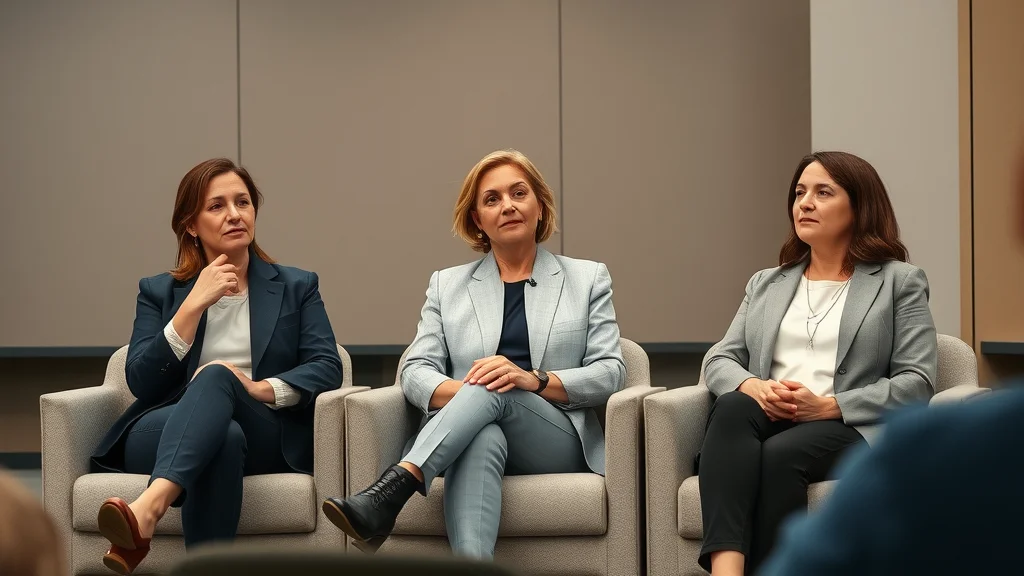
Panel discussion excerpt featuring Adele Faber and Julie King sharing wisdom on bridging the communication gap between parents and children using field-tested techniques.
Quotes from Real Parents: Talking So Little Kids Will Listen
"After switching my approach, my kids will talk openly with me. The shift was remarkable!" — Parent in the United States

Expert Opinions: Adele Faber, Julie King, and Effective Communication for Kids Will Listen
Few names are as closely linked to parenting success as Adele Faber and Julie King. Their works—ranging from bestselling parenting books to live online workshop programs—are cornerstones for parents aiming to deepen their communication skills. Both experts emphasize the power of respectful dialogue, choice, and patience in transforming even the most challenging parent-child dynamics. Their advice and techniques encourage parents to listen so kids will talk and, in turn, to speak so kids will listen. Retrospective studies and parent testimonials again and again confirm: these tools aren’t just theory—they work in real, everyday family life, for parents of kids ages 2 to 18, across the United States and worldwide.
Lists and Takeaways: Top 5 Ways to Talk So Kids Will Listen
- Speak calmly and firmly
- Give space for your child to talk
- Reflect their feelings
- Set boundaries
- Offer collaborative solutions
FAQs on How to Talk So Kids Will Listen
Q: What age should I start using these techniques?
Begin as early as possible! Even toddlers can benefit when parents communicate with empathy, listen actively, and offer choices. These techniques grow with your child, helpful for all kids ages 2 to 18, supporting your relationship at every stage. Families who start young see smoother transitions and fewer power struggles, but it’s never too late to begin.
Q: Are these principles effective for teens?
Absolutely. While teens often test boundaries, they also crave respect and autonomy. Using strategies from Adele Faber and Julie King allows parents to address tricky topics while maintaining trust. Active listening, calm tone, and collaborative problem-solving are just as important for older kids as for little kids—sometimes even more so as they gain independence.
Q: Is there a difference when you talk so little kids will listen vs. older children?
The basics—empathy, validation, offering choices—work for all ages, but the delivery matures with the child. For little kids, keep language very simple and concrete. For older children, allow more space for dialogue and involve them in decision-making. Adjusting your style as your kids grow ensures that your communication skills always meet their developmental needs.
Key Takeaways from How to Talk So Kids Will Listen
- Building trust is fundamental
- Consistency improves results
- Genuine listening is as vital as talking
- Effective communication models grow resilient, respectful kids
Final Thoughts: Transforming Family Communication Through How to Talk So Kids Will Listen
Changing the way you talk so kids will listen isn’t just about words—it’s about building relationships, mutual respect, and lifelong understanding.
If you’re ready to take your parenting approach even further, consider how your discipline style shapes your child’s long-term behavior and emotional health. Shifting away from punitive methods toward positive parenting can dramatically improve cooperation and trust within your family. For a deeper dive into the science and strategies behind this transformation, explore the comprehensive perspective on why punishment doesn’t work and how positive parenting can make a lasting difference. Embracing these advanced insights will empower you to nurture not just better listeners, but more resilient, confident kids—laying the foundation for lifelong connection and growth.


Write A Comment