
Hook: Have you ever wondered if effective discipline without yelling can truly shape your child's behavior for the better—or if calm correction actually delivers better results than shouting? Discover if positive parenting can replace raised voices, even when your young child’s big emotions run high.
Can Effective Discipline Without Yelling Truly Shape Positive Behavior?
When a young child is melting down or ignoring instructions, it's natural for parents to feel their patience slipping away. But research, including insights from professor cluver, shows that effective discipline without yelling is not only possible—it’s often far more impactful than forceful words. By choosing positive discipline, we give kids the opportunity to cope with big emotions and learn self-control without instilling fear or resentment. Parenting without yelling doesn't just correct bad behaviour; it builds a stronger relationship with your child and fosters mutual respect. Parents who stay calm are more likely to see their children mirror this composure—an action step that has lasting benefits across daily routines, school, and future adult life. If you find yourself yelling at kids more than you’d like, this guide will offer professional advice and concrete strategies to end the cycle and make parenting without yelling a reality.

Challenging Conventional Wisdom on Discipline Approaches
Society often tells us that raising your voice is an unavoidable part of parenting, especially when young kids refuse to listen or express big emotion. But data-driven approaches and expert opinions, including those from professor cluver, indicate that yelling at kids is more likely to provoke negative attitudes, decrease the child’s ability to make choices responsibly, and undermine positive discipline. Modern discipline approaches focus instead on guiding, rather than punishing, and emphasize that when parents consistently stay calm, young children are more receptive, cooperative, and trusting. Replacing shouting with respectful correction dig deep into the roots of children’s behaviour, addressing triggers rather than just the symptoms. This shift from punishment to teaching empowers families to make parenting both kinder and more effective—laying the groundwork for children who can regulate and discuss emotions openly.
What You'll Learn About Effective Discipline Without Yelling
- How to implement positive discipline strategies
- The impact of discipline approach on a young child’s development
- Practical steps to maintain calm and control
- Common misconceptions about yelling as a discipline strategy
Understanding the Foundations of Effective Discipline Without Yelling
At the heart of effective discipline without yelling is a profound respect for how young children experience the world. Developmental science underscores the importance of modeling regulation, patience, and empathy—values echoed by positive discipline advocates and parenting experts. Young kids do not instinctively know how to handle big emotions; when parents stay calm during conflicts, they provide the safe space young children need to learn from their mistakes. By focusing on correcting, rather than punishing, bad behaviour, parents help their children build self-esteem, resilience, and intrinsic motivation to behave well. This discipline approach prioritizes teaching, guidance, and strengthening the parent-child bond over momentary compliance achieved through fear.
For parents seeking practical alternatives to traditional discipline, it's helpful to explore why punishment often falls short and how positive parenting strategies can create lasting change. You can find a detailed breakdown of these concepts in this guide on why punishment doesn’t work and the benefits of embracing positive parenting, which offers actionable steps to reinforce respectful discipline at home.
The Psychology Behind Positive Discipline for Every Young Child
Child psychology reveals that kids to work best when given structure, support, and opportunities to make choices. Positive discipline is grounded in the understanding that children aren’t born with the tools to cope with big emotions—they need our help to build them. Ask yourself: How does losing your patience over your young child’s refusal to put on her shoes help her learn what’s expected? Instead, by calmly guiding her through the process, you teach both responsibility and emotional intelligence. Professor cluver and other professionals advocate for focusing on teaching rather than punishing, suggesting techniques such as empathetic listening, setting clear limits, and using a favorite stuffed animal to role-play solutions to common struggles. These approaches encourage discussion of emotions and help young children feel respected, laying the foundation for strong self-regulation later in life.

Why Traditional Yelling Does Not Work: Scientific Insights
The impulse to yell at kids often comes from frustration or a belief that it leads to immediate compliance. But substantial research showing that yelling at children triggers their “fight, flight, or freeze” response—a stress pattern that, while temporarily silencing, can affect long-term trust and emotional security. Professor cluver reports that repeated exposure to yelling not only impairs a child’s ability to process and discuss emotions but can foster negative attitudes about themselves and those in authority. Instead of “digging deep” to uncover what motivates behaviour, yelling masks root causes beneath fear or shame. Studies on positive parenting reveal that effective discipline without yelling achieves behavioral correction while nurturing emotional well-being. The science is clear: guiding with calm, consistent responses cultivates healthier habits, more cooperative children, and positive relationships for years to come.
Positive Discipline Techniques to Support Effective Discipline Without Yelling
Positive discipline encompasses a range of approaches proven to transform how young children respond to limits and correction. Instead of harsh punishments or negative reinforcement, these techniques focus on teaching and modeling the skills kids need to thrive. Practical strategies include labeling your child’s feelings to help them cope with big emotions and providing logical consequences instead of arbitrary discipline. By giving children choices, offering praise for positive efforts, and involving them in setting expectations, parents can make discipline a collaborative—and even empowering—process. This doesn't just minimize yelling; it dig deep into your parenting approach to foster resilience and confidence. Consistent, respectful discipline helps young children develop empathy, understand boundaries, and trust that their needs will be met even during moments of conflict.
Constructive Discipline Approaches for Young Children
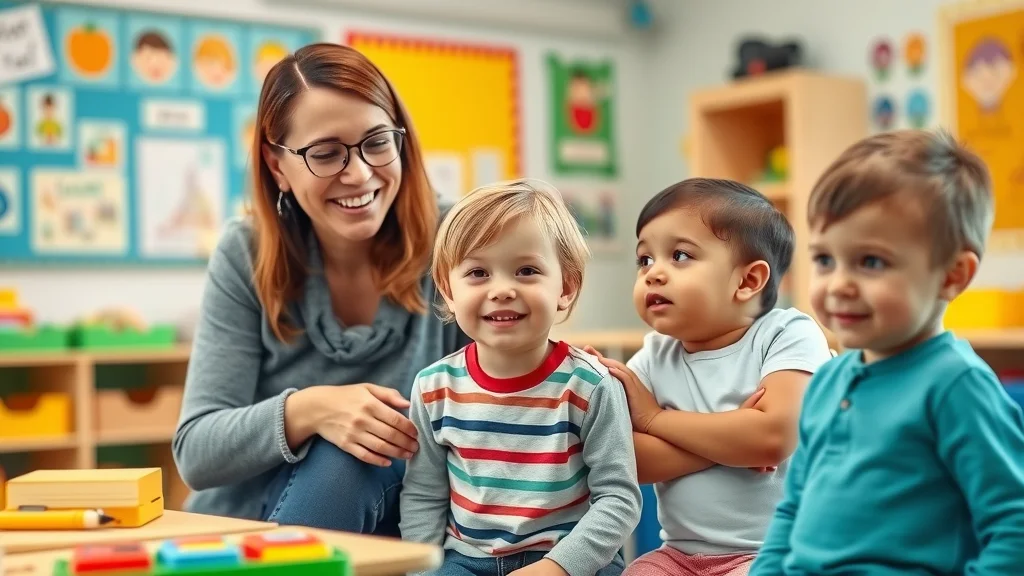
When discipline focuses on correction rather than punishment, young children can learn key skills such as self-regulation, delayed gratification, and respectful communication. Constructive discipline approaches involve steps like acknowledging your child’s feelings, stating expectations clearly (“It’s time to stop playing and get ready for bed”), and providing structure through routines. For example, when your child resists a direction or exhibits bad behaviour, instead of escalating, a parent might redirect attention, offer a simple choice (“Would you like to brush your teeth or put on your pajamas first?”), or calmly explain consequences. These action steps validate the child's big emotions without condoning disruptive conduct. By using their favorite stuffed animal to demonstrate alternatives, parents can make parenting without yelling both playful and instructive. Teaching children how to recover from missteps and praising effort instead of perfection encourages a growth mindset and supports healthy development.
The Role of Consistency and Communication in Discipline
Consistency is the backbone of successful positive discipline. When expectations and consequences remain steady, children quickly learn what behaviors are acceptable and know what will happen each time they cross the line. This predictability helps young kids feel safe, making emotional outbursts or bad behaviour less frequent. But consistency alone isn't enough—clear communication is equally essential. Parents who calmly state the rules and explain the rationale behind them encourage children to discuss emotions and think before acting. For example, letting a child know “We use quiet voices so everyone can enjoy dinner” is more instructive than a vague “Stop it!” This dual approach—steadfast boundaries delivered with open communication—gives children confidence, fosters trust, and helps parents dig deep into the root causes of misbehavior. In the words of leading experts:
"Discipline is teaching, not punishment. True authority is rooted in respect, not fear."
How to Discipline Your Kids Without Yelling
If you find yourself losing your patience or tempted to raise your voice, you’re not alone. Parenting without yelling is a skill—one that grows with practice, reflection, and the right action steps. Effective discipline without yelling starts when you identify the specific behavior that needs change, rather than reacting out of frustration. Staying calm is critical; when parents maintain composure, young children are more likely to cooperate. Using clear, firm language and following through with logical consequences—rather than unpredictable punishment—helps kids understand expectations and the reasons behind them. Over time, reinforcing positive behaviors, no matter how small, builds lasting habits and self-confidence in children. As you become more intentional, you will find that parenting without yelling not only changes your child’s behavior but also makes you feel more in control and connected as a family.
Step-by-Step Guide to Effective Discipline Without Yelling
- Identify the behavior needing change
- Stay calm and composed
- Use clear and firm communication
- Apply logical consequences
- Reinforce positive behaviors
For example, say your child refuses to put on her shoes before school. Instead of yelling, try this: “I see you’re upset. We need to leave in five minutes. If you don’t put on your shoes, you’ll have to carry them to the car and put them on there.” By adopting these action steps, you make parenting more peaceful, proactive, and effective for young kids with big emotions. Modeling respect and teaching positive discipline will help your children handle challenges both now and as they grow older.
Practical Insights: The 7 7 7 Rule of Parenting and Effective Discipline Without Yelling
The “7 7 7 rule of parenting” is a creative guideline to help parents and caregivers pause and reflect before reacting. The rule suggests that when a discipline situation arises, take a breath for seven seconds, consider the impact of your response over the next seven minutes, and reflect on how this approach shapes the next seven years of your child’s emotional development. Applying this concept helps you to dig deep beneath surface-level behaviors and stay calm enough to avoid yelling. In moments of frustration, this mental pause encourages you to choose teaching over punishment and focus on positive discipline techniques. Parents who use the 7 7 7 rule report feeling less overwhelmed and more satisfied with their discipline approach—making parenting without yelling a daily, sustainable practice.

Understanding and Applying the 7 7 7 Rule in Your Discipline Approach
To embrace the 7 7 7 rule, start by recognizing your own emotional cues. When you notice irritation or a desire to yell, pause for seven seconds to collect yourself and stay calm. Next, foresee the next seven minutes: will your current discipline approach lead to compliance through fear or understanding through respect? Lastly, take a long view—how might these repeated moments shape your child’s ability to handle big emotions seven years from now? By using this structure, you dig deep into the psychological factors that drive your own reactions and those of your young children. The practice of pausing, reflecting, and choosing calm transforms emotional escalations into teachable moments. Whether addressing stuffed animal disagreements or more challenging bad behaviour, the 7 7 7 rule equips you to parent with empathy, authority, and perspective.
What Are the 5 C's of Discipline and How Do They Relate to Effective Discipline Without Yelling?
The 5 C’s of discipline—Clarity, Consistency, Consequences, Compassion, and Communication—are essential to every effective discipline approach. Each C supports positive discipline by providing structure, emotional safety, and open dialogue between parent and child. Understanding and applying these principles will help you dig deep into every discipline challenge and make parenting without yelling your new normal.
| C Principle | Description | Application in Effective Discipline Without Yelling |
|---|---|---|
| Clarity | Clear expectations and consequences | State rules calmly and precisely |
| Consistency | Reliable follow-through on discipline | Apply consequences every time |
| Consequences | Logical outcomes for actions | Connect behaviors to outcomes directly |
| Compassion | Empathizing with the child | Balance firmness with understanding |
| Communication | Open dialog and feedback | Encourage children to explain their actions |
Is Yelling an Effective Form of Discipline? Evaluating Research and Expert Consensus
Is raising your voice ever justified or sustainable as a discipline tool? The overwhelming consensus among researchers and experts like professor cluver is that yelling at kids can bring short-term compliance but often undermines trust, self-worth, and long-term cooperation. Evidence shows effective discipline without yelling leads to more resilient and emotionally intelligent children. In contrast, yelling tends to escalate big emotions, making children less likely to listen calmly and more likely to rebel or withdraw. Young children in yelling-prone households often exhibit negative attitudes, have trouble discussing emotions, and may become desensitized to parental authority over time. In short: yelling might force compliance now, but it rarely builds the respectful, positive relationships that good discipline aims for.
Short-Term and Long-Term Effects of Yelling Versus Positive Discipline
The short-term effects of yelling can be dramatic: kids may freeze, cry, or hastily comply. However, frequent exposure to high-volume discipline leaves young children feeling anxious, misunderstood, or resentful. Over time, as professor cluver and colleagues note, patterns of yelling contribute to a breakdown in trust and a diminished capacity to cope with big emotions. Long-term, children disciplined without yelling tend to display higher self-esteem, better emotional control, and more respectful attitudes. By relying on positive discipline—with clear action steps, communication, and empathy—parents equip kids with lifelong social skills and emotional security. As one expert puts it:
"Studies confirm that patterns of yelling can impede a young child’s emotional development and trust in authority."

Lists of Proven Alternatives: Positive Discipline Strategies
- Time-ins instead of time-outs
- Redirecting negative behavior
- Setting up routines
- Offering choices within limits
- Modeling appropriate behavior
Try inviting your child to a “time-in” where you sit together and talk about their feelings, rather than isolating them for bad behaviour. Redirecting negative actions (“Let’s jump on the floor cushions, not the couch!”) helps young kids make safer and better choices without feeling shamed. Routines provide security and predictability for children coping with big emotions, and giving choices—like which stuffed animal to bring in the car—empowers them to take ownership of their day. Finally, model respectful resolution by discussing emotions openly; children learn best not by what they’re told, but by what they see. These alternatives distill the essence of positive discipline, making parenting without yelling supportive, sustainable, and rewarding.

Common Questions About Effective Discipline Without Yelling (FAQs)
-
What if my child refuses to listen without yelling?
Even if you feel ignored, persistence pays off. Repetition, consistency, and calm redirection will teach your child that raised voices are not required for compliance. Remind yourself that young children may need time to adjust, but positive discipline makes real, lasting progress. -
How can I stay calm in stressful situations?
Practice pausing, deep breathing, and stepping away briefly if needed. Remember the 7 7 7 rule: take seven seconds to collect yourself before responding. Self-care and having a toolkit of action steps for big emotions will help you stay centered. -
Are these techniques effective for older children as well?
Yes. While techniques may be adapted for age, principles like clear communication, logical consequences, and empathy apply to kids of all ages. Adolescents, too, benefit from discipline that is focused on respect and connection rather than control. -
What tools can help reinforce new discipline patterns?
Use visual charts, routine cards, favorite stuffed animals for role-play, and positive reinforcement systems. Sharing progress with your child makes them feel invested, and discussing emotions routinely strengthens both empathy and cooperation.
Key Takeaways for Parents Employing Effective Discipline Without Yelling
- Model respect and calm assertiveness
- Seek consistency and clear communication
- Recognize triggers and devise prevention strategies
- Prioritize connection over control
Ready to Transform Your Discipline Approach? Embrace the Journey to Positive Parenting Today
Moving beyond yelling is a journey—one built on small, consistent action steps. With the right tools and perspective, you can make parenting both peaceful and effective, nurturing resilient, compassionate children every step of the way.
As you continue to refine your approach to discipline, remember that the journey toward positive parenting is ongoing and deeply rewarding. If you’re interested in exploring the bigger picture of why traditional punishment often fails and how to foster a more connected family environment, consider reading about the transformative impact of positive parenting strategies. Discover how shifting away from punitive methods can unlock new levels of cooperation, empathy, and growth for both you and your child. Embracing these insights will empower you to build a nurturing home where discipline is rooted in respect, understanding, and lifelong learning.


Write A Comment