
Did you know that only 30% of parents can accurately identify their parenting style? It’s a surprising statistic, considering how profoundly the way we parent shapes our children’s social skills, emotional health, and ability to thrive. Despite countless resources, most parents are unaware of the powerful — and sometimes subtle — impacts different parenting approaches have on their children. This article will reveal the hidden truths about parenting styles, debunk popular myths, and empower you to take a more informed, compassionate path in your parenting journey.
Unlocking Understanding: The Hidden Truths Behind Parenting Styles
Recent research reveals that only 30% of parents accurately identify their parenting style—significantly affecting how children grow and learn.
Understanding parenting styles is key to effective child development, yet misconceptions abound about what these styles truly mean. Many parents tend to follow ingrained habits or replicate approaches from their upbringing without reflecting on their actual style of parenting. This lack of awareness can shape not just daily interactions but also children's long-term well-being.
As research shows, the types of parenting styles—authoritative, authoritarian, permissive, and neglectful—each foster unique strengths and challenges. For example, some parents make rules with warmth and dialogue, while others parent with strictness or, conversely, a hands-off approach. These nuanced differences can ultimately inform a child’s mental health, resilience, and social competence. By unlocking the hidden truths behind parenting styles, you’ll be equipped to recognize patterns in yourself and thoughtfully adapt for your children’s benefit.

Why Parenting Styles Matter More Than You Think
The style of parenting you choose isn’t just a label—it’s a foundation for your child’s growth. Research on parenting styles consistently demonstrates that children raised within certain approaches, such as the authoritative style, are more likely to develop strong social skills, emotional intelligence, and positive outcomes in school and life. Conversely, neglectful parenting or overly authoritarian parenting can negatively affect mental health and lead to challenges in self-regulation and trust. Every interaction — whether it’s a disciplinary moment, a comforting hug, or a listening ear — is shaped by your parenting style and, over time, these moments can guide the overall trajectory of your child and parent relationship. By critically examining and understanding your unique approach, you give yourself the power to evolve for the betterment of your entire family.
For parents seeking a foundational understanding of effective parenting, exploring the core principles and basics of parenting can provide valuable context and practical tips that complement the insights shared here. This resource delves into essential strategies that support positive family dynamics and child development.
What You'll Learn About Parenting Styles
Defining parenting style and types of parenting styles
Exploring authoritative parenting, authoritarian parenting, permissive parenting, and neglectful parent approaches
Common misconceptions about parenting styles
How each parenting style impacts child development
Tips for identifying and evolving your own parenting style
Defining Parenting Styles: More Than Just a Label
Understanding the Concept of Parenting Style
A parenting style is more than a simple descriptor—it’s the consistent pattern of behaviors, communication, discipline, and warmth that parents show their children across situations. Diana Baumrind, a pioneering researcher in developmental psychology, first introduced the concept, noting that the balance between responsiveness (how parents respond to children's needs) and demandingness (expectations and boundaries set by parents) defines the core of each style. Parents tend to develop their approaches through a mix of cultural, generational, and personal influences, often without conscious intention. Over time, a family’s parenting approach can shift in response to the needs of the child and parent. Understanding your style helps you recognize strengths to amplify and pitfalls to avoid, ultimately fostering better child development and a closer relationship based on mutual respect and growth.
While the major parenting styles share key features, every household’s approach is unique. Some parents may blend techniques or shift styles in different contexts, such as being stricter about academics but more permissive about hobbies. Recognizing these distinctions not only clarifies your parenting identity but lays the groundwork for adapting and evolving as your child grows.

Types of Parenting: A Closer Look at Major Approaches
There are four primary types of parenting recognized in psychological literature, each characterized by different combinations of warmth, communication, discipline, and expectations:
Authoritative parenting balances strictness with warmth, fostering independence and mutual respect. Authoritarian parenting is high in demands but low in responsiveness, focusing on rules and discipline. Permissive parenting features warmth with little structure, supporting freedom but risking inconsistency. Finally, neglectful parenting is low in both warmth and demands, often leading to detachment and challenges in emotional security. These core styles provide a framework for understanding the dynamic interactions between parents and children and how these relationships may evolve.
Recognizing the type of parenting you enact isn’t about judgment—it’s about insight. By seeing where you fall on the spectrum, you can start to identify what works well for your family and what may need rethinking for a more supportive, positive environment.
The Types of Parenting Styles: An Overview
Parenting Style |
Main Traits |
Strengths |
Challenges |
|---|---|---|---|
Authoritative Parent |
High expectations, warmth, clear communication |
Positive outcomes, strong social skills, resilience |
Requires consistency and emotional involvement |
Authoritarian Parenting |
Strict rules, high expectations, low warmth |
Clear boundaries, orderly environment |
May hinder self-esteem, lower social competence |
Permissive Parenting |
Warmth, few rules, few consequences |
Supportive, creative independence |
Risk of poor self-discipline, inconsistency |
Neglectful Parent |
Low warmth, low structure, emotionally distant |
Fosters autonomy if not extreme |
Poor emotional health, difficulty trusting others |
Exploring Authoritative Parenting: The Gold Standard?
Traits of the Authoritative Parent
Authoritative parenting has long been considered the gold standard, balancing clear expectations with nurturance and open dialogue. These parents guide their children with consistent boundaries but also encourage independence, creativity, and emotional expression. They value reasoning, explain decisions, and are responsive to their child’s needs without relinquishing responsibility for discipline. The authoritative parent creates an environment where both love and structure coexist, helping children feel secure and respected. This balance is crucial — as research shows, children of authoritative parents typically fare best in terms of overall happiness, mental health, and academic and social success. A close relationship is a hallmark of this approach, driving home just how critical it is for parents to understand their style and its effects.
The authoritative parenting approach doesn’t mean being perfect; it’s about being attuned, setting fair limits, and communicating expectations while allowing children to express themselves. Parents make adjustments over time and learn from experience, modeling adaptability and empathy — two traits that serve children well for a lifetime.
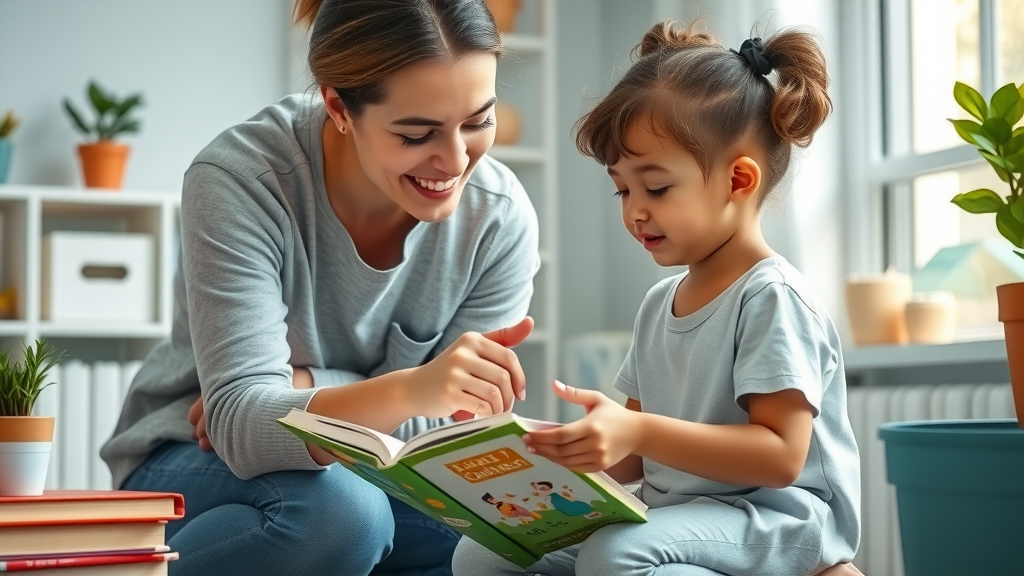
Effects of Authoritative Parenting on Child Development
Children of authoritative parents experience some of the most positive outcomes in psychological studies. They are typically more self-assured, capable of empathy, and adept at handling social situations than children raised with other styles. These children benefit from high, but realistic, expectations and know that their voices are valued, fostering intrinsic motivation and emotional regulation. Their mental health tends to be stable, with lower levels of anxiety and depression.
Research shows a strong link between authoritative parenting and the development of robust social skills, resilience, and self-discipline. By fostering open communication and modeling respect, authoritative parents set the groundwork for a lifetime of strong interpersonal relationships, sound decision-making, and emotional stability.
Authoritarian Parenting: Strict Rules and High Expectations
Key Features of Authoritarian Parenting
The authoritarian style is marked by high expectations, rigid rules, and little room for negotiation. Authoritarian parents believe in swift discipline, valuing obedience over dialogue. Warmth is markedly lower than in authoritative households, and children are often expected to obey instructions without question. This style often springs from a desire for order and respect, but it can foster a culture where children feel controlled rather than guided.
Authoritarian parents tend to emphasize performance and compliance, sometimes using punishment over guidance. While this can foster respect for authority and rules, it can also suppress a child’s natural curiosity and sense of self-efficacy. Over time, children raised in authoritarian homes may struggle with self-esteem and exhibit less creativity, unless a balance is struck between boundaries and emotional support.
Pros and Cons of Being an Authoritarian Parent
There are certain strengths to authoritarian parenting, such as clear structure and an orderly home environment. Children from these homes are often punctual, rule-abiding, and respectful to adults. However, the costs can outweigh the benefits if warmth and trust are lacking. Studies indicate that children may experience higher anxiety, poor social adjustment, and lower self-esteem. This can also strain the child and parent relationship, with children feeling disconnected or fearful, rather than supported.
While having standards is important, research suggests that overly authoritarian parenting can dampen social skills and discourage open conversation. Parents should be mindful of striking a balance to ensure boundaries do not become barriers to connection or undermine a child’s developing confidence.
Permissive Parenting: Warmth Over Structure
What Sets Permissive Parenting Apart?
Permissive parenting is often characterized by warmth, leniency, and a child-driven approach to decision-making. Permissive parents see their children as equals and are reluctant to enforce rules, giving kids considerable freedom to explore and express themselves. While this can nurture creativity and a sense of belonging, it can also invite inconsistency and poor self-discipline if not managed carefully.
The hallmark of this approach is unconditional warmth. While children raised by permissive parents often feel loved and confident, they may struggle with limits, frustration tolerance, and sometimes authority figures outside the home. Understanding the balance between support and guidance is the core challenge for permissive parents seeking to raise resilient, responsible individuals.

Outcomes for Children of Permissive Parents
Children of permissive parents generally perceive home as a loving and safe environment, but the lack of boundaries can lead to trouble with rules or impulse control. Children of permissive parents may excel in creativity and interpersonal relationships due to their emotional openness, but may struggle with time management and self-regulation. Social skills can be strong, yet without consistency, they may face challenges when structure is required in schools or professional settings later in life.
Experts suggest that incorporating elements of authoritative parenting, such as collaborative rule-setting and guidance, can help offset the potential downsides of permissive parenting. The end goal is to create a family dynamic that fosters growth, accountability, and emotional well-being for children and parents alike.
Neglectful Parenting: The Overlooked Reality
Defining Neglectful Parent Behaviors
Neglectful parenting (sometimes called uninvolved parenting) is marked by a general lack of responsiveness to a child’s needs—both emotional and physical. Neglectful parents may provide food and shelter but are uninvolved in their children’s lives, setting minimal expectations and offering little if any support, guidance, or interaction. This style often arises due to parental overwhelm, stress, mental health challenges, or a lack of understanding about child development.
The neglectful parent can appear absent or indifferent to the child’s academic, emotional, and social life, resulting in missed opportunities for bonding or intervention. These children are often left to fend for themselves, sometimes before they are emotionally ready, making them vulnerable to struggles later on.
Short and Long-Term Effects of Neglectful Parenting
The impacts of neglectful parenting can be profound, affecting both short and long-term well-being. In the short run, children may exhibit withdrawal, behavioral problems, or poor academic performance. Over time, the absence of guidance and support undermines the child’s ability to form trusting relationships, regulate emotions, or set and achieve goals. Studies suggest that neglectful parents increase the risk for mental health issues, difficulties in emotional attachment, and lower self-esteem in their children.
For families struggling with neglectful parenting traits, recognition is the first step toward change. Strategies like increasing family involvement, seeking support, and establishing basic routines can dramatically improve outcomes for children of neglectful parents and mend the parent-child bond.
Gentle Parenting and Its Place Among Parenting Styles
Principles of Gentle Parenting
Gentle parenting is a modern evolution that emphasizes empathy, respect, and consistent boundaries. Unlike permissive approaches, gentle parenting involves clearly communicated expectations, collaborative problem solving, and emotional attunement. These parents prioritize connection and aim to teach, rather than punish, using understanding to guide children through challenges.
This style of parenting recognizes that children learn best when they feel secure and respected. With roots in attachment theory, gentle parenting encourages emotional literacy, helping children develop the confidence and skill to navigate difficult feelings and relationships with compassion and self-assurance.

Contrasts with Authoritative Parenting
While gentle parenting and authoritative parenting share values like mutual respect and consistency, they differ in their responses to discipline. Gentle parenting de-emphasizes punitive measures in favor of understanding the reasons behind behaviors and teaching coping skills, often requiring more patience and a willingness to model vulnerability and accountability. The authoritative parent, on the other hand, may implement consequences for misconduct but consistently explains the rationale, maintaining a balance between authority and warmth.
The distinctions are subtle but significant: gentle parenting focuses more on emotional growth, while authoritative parenting leans on a structured framework. Both approaches have strong evidence supporting their benefits, and many families blend elements from both to fit their unique children and values.
Common Misconceptions About Parenting Styles
Myths about types of parenting
Misidentification of parenting style
Assumptions about authoritative parent vs. authoritarian parenting
Many parents misidentify their approach or assume that warmth or rule-setting alone defines a “good” parenting style. One common myth is that being strict means you’re providing the best guidance, when in reality, rigid authoritarian parenting may stunt growth or breed resentment. Another misconception is confusing authoritative with authoritarian parenting—while their names sound similar, authoritative parents pair discipline with empathy, while authoritarian parents often lack this balance. Understanding these nuances is vital for making informed changes that benefit the child and parent relationship.
Identifying and Evolving Your Parenting Style
Self-Assessment Tools for Pinpointing Parenting Style
The first step to positive change is self-reflection. There are now many online self-assessment tools and checklists designed to help parents identify where they fall within the types of parenting spectrum. These tools often ask about disciplinary habits, communication patterns, and emotional responses, creating a snapshot of your predominant style. Recognizing your current strengths and areas for growth enables you to design a more intentional parenting roadmap.
Feedback from children, partners, or trusted family members can provide important clues. Parenting workshops, books, or sessions with child specialists further illuminate the difference between intention and perception in your approach. Remember: style of parenting is not fixed—your willingness to adapt lays the foundation for happier, more resilient children.
Practical Tips to Adapt and Improve Parenting Styles Over Time
Improving your parenting style is an ongoing journey. Experts recommend regular self-reflection, open family communication, and willingness to seek professional guidance if needed. Set specific goals, such as listening more actively, implementing consistent routines, or adjusting rules to match children’s developmental needs. Try blending approaches when warranted — for example, using gentle parenting techniques during emotionally charged moments, while maintaining authoritative structure for routines and discipline.
Adaptation is key. Children’s needs change as they grow, and so should your style of parenting. By remaining flexible and nurturing, parents can create an environment where all family members are empowered to thrive.

How Parenting Styles Shape Child Development
Research on Parenting Styles' Impact on Emotional and Social Growth
Extensive research shows that a parent’s approach—whether authoritative, authoritarian, permissive, or neglectful—can strongly impact a child’s emotional intelligence, social skills, academic achievement, and mental health. Children of authoritative parents are more likely to have strong coping skills and resilience, while those raised in authoritarian settings may become anxious or hesitant in unfamiliar situations. Permissive environments yield creative thinkers, but at times, children of permissive parents wrestle with boundaries. Neglectful parents, meanwhile, risk children lacking essential trust and self-esteem, making growth and connection more challenging well into adulthood.
It’s important to remember that children are not just passive recipients of parenting but active participants who influence, and are influenced by, the style of parenting they experience. Regularly reflecting on this dynamic helps ensure positive long-term outcomes and healthier family bonds.
People Also Ask: Parenting Styles Uncovered
What are the 4 types of parenting styles?
The four primary parenting styles are authoritative parenting, authoritarian parenting, permissive parenting, and neglectful parenting. Each of these parenting styles has unique features and impacts on child behavior and development.
What is the 7 7 7 rule parenting?
The ‘7 7 7’ rule in parenting recommends taking a moment to pause and reflect seven seconds, seven minutes, and seven hours before responding to challenging behaviors, fostering mindful parenting regardless of parenting style.
What are the 7 traits of parenting?
The seven traits of effective parenting often include adaptability, consistency, communication, empathy, guidance, patience, and support — all crucial to any parenting style.
What are the 4 P's of parenting?
The 4 P’s of parenting typically refer to protection, providing, polishing (nurturing), and preparation. Each P influences how parents apply their chosen parenting style.
Transformative Stories: Insights from Parenting Experts
"Parenting styles don’t define you, but understanding them empowers you to nurture growth and resilience in your children." — Dr. Evelyn Ross, child psychologist
Lists: Quick Reference on Parenting Styles
Authoritative Parenting characteristics
Authoritarian Parenting hallmarks
Permissive Parenting traits
Neglectful Parenting warning signs
Key Takeaways on Parenting Styles
Adopting a balanced parenting style leads to better child outcomes
No single parenting style fits every family
Regular self-reflection aids in parenting improvement
FAQs: Further Clarifying Parenting Styles
Can parenting styles change over time?
Yes, as children grow and family circumstances shift, many parents adjust or blend their approach. Self-awareness and flexibility are key to meeting children's evolving needs.Is one parenting style always best?
While research supports authoritative parenting for positive outcomes, the right fit depends on your child and family's unique circumstances. A blend often works best.How can parents blend different types of parenting styles?
By reflecting on strengths and weaknesses, communicating openly, and adapting strategies as children grow, parents can create a custom approach that supports development and harmony.
Conclusion: Moving Forward with an Informed Parenting Style
Embracing the Journey — Why Awareness of Parenting Styles Matters
Understanding your parenting style is the first step toward stronger relationships and thriving children. Self-awareness, adaptability, and ongoing learning are the keys to positive change.
If you’re inspired to deepen your understanding of how family dynamics and emotional well-being intersect with parenting, consider exploring the concept of resentment hygiene in relationships. This insightful resource uncovers how managing emotional patterns within the family can lead to lasting happiness and healthier connections. By integrating advanced relationship strategies with your evolving parenting style, you’ll be better equipped to nurture not only your children’s growth but also the overall harmony and resilience of your household. Take the next step in your parenting journey and discover new ways to foster joy and understanding at home.


Write A Comment