
Did you know that 60% of parent-child conflicts arise from poor listening habits? Active listening isn’t just about hearing words—it’s about understanding your child’s thoughts and feelings, and making them feel heard. This guide unveils the power of active listening techniques for parents, equipping you with simple yet effective tools for better communication, stronger family connections, and a happier home.
Unlocking Effective Communication: Why Active Listening Techniques Matter for Parents
"Did you know that 60% of parent-child conflicts arise from poor listening habits?" – Child Communication Institute
Effective communication is the bedrock of all healthy family relationships. For parents, mastering active listening techniques goes beyond simply hearing – it means validating your child's feelings, encouraging open conversation, and providing the space to speak that every child needs to feel heard. When families use active listening, conflict decreases, trust grows, and children feel safer expressing themselves honestly.
Traditional communication often neglects the importance of true listening, but research shows that parents who prioritize active listening skills can significantly improve their children’s social and emotional development. By learning key techniques such as maintaining eye contact, responding empathically, and using open-ended questions, you’ll not only prevent misunderstandings but also become the good listener your child deserves. Good listeners help create an environment where children feel heard, fostering lifelong skills in empathy and confidence.
The Power of Active Listening Techniques in Parenting
Parenting can be overwhelming, and distractions can make it challenging to be fully present. However, using active listening techniques allows parents to dig deeper into their children’s lives, uncovering underlying emotions and triggers. For example, by paying attention to both words and body language, parents can pick up on frustrations or joys that aren’t clearly stated. Practicing active listening is about building trust, strengthening your bond, and modeling the kind of communication skills children need to thrive in all relationships.
Ultimately, practicing active listening requires conscious effort and a willingness to momentarily set aside your judgments or agenda. When parents master these listening techniques, they foster an atmosphere where their child’s voice matters, paving the way for positive change, easier conflict resolution, and stronger family ties.
As you work on strengthening your active listening skills, it’s also helpful to consider how your overall approach to discipline and communication shapes your relationship with your child. Exploring positive parenting strategies can provide additional tools for fostering cooperation and understanding—discover more about this approach in our article on why moving away from punishment and embracing positive parenting can transform family dynamics.
Understanding Listening Skills, Active Listening Skills, and Listening Techniques
Before improving your active listening skills, it’s important to distinguish between different listening techniques. Basic listening skills form the foundation—this includes paying attention, withholding judgment, and providing feedback. Active listening skills layer in empathy and encouragement, requiring parents to be mentally present and emotionally attuned to their child’s needs. Listening techniques are specific methods—such as repeating key phrases, paraphrasing, and asking clarifying questions—that make the listener’s engagement tangible.
By understanding these elements, parents gain a well-rounded skill set, which can be adapted for everyday conversations, discipline situations, or emotional support. This broad approach ensures children not only feel heard but also learn the value of good listening behaviors themselves, supporting healthy communication for years to come.
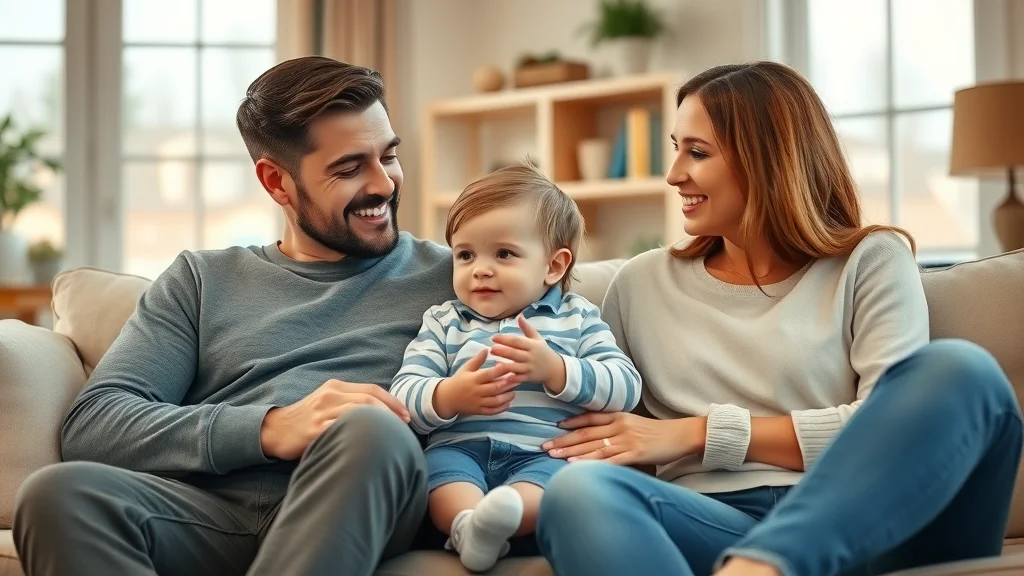
What You'll Learn: Mastering Active Listening Techniques
- The fundamentals of active listening techniques
- How to apply listening techniques at home
- Ways to strengthen your child's communication skills
- Simple daily practices to improve your active listening
- Troubleshooting common listening skill challenges
What Are Active Listening Techniques?
Defining Active Listening and Related Listening Skills
Active listening techniques are intentional strategies parents use to demonstrate full attention, respond appropriately, and encourage open dialog with their children. Unlike passive listening, where the listener merely hears words, active listening involves acknowledging feelings, clarifying understanding, and using techniques like nodding, verbal affirmations, and summarizing to show genuine interest in the conversation. Listening skills include maintaining eye contact, displaying receptive body language, and withholding premature judgment.
Being an active listener means being fully engaged both mentally and emotionally. Techniques such as reflective listening, paraphrasing, and empathic responses ensure children feel valued and understood, while also helping parents clarify their child’s perspective to avoid miscommunication. These communication skills build the foundation for a healthy, supportive parent-child relationship.
Why Active Listening Skills Are Essential for Parents
Children thrive when they know their feelings and opinions matter. Active listening skills empower parents to notice subtle cues, such as a child’s hesitance or excitement, which are often expressed through tone of voice or body language. By practicing active listening, parents not only meet their child’s emotional needs but also role-model key communication skills that children will use in friendships, school, and eventually the workplace.
Being a good listener has long-term benefits—children who feel heard display greater self-confidence, resilience, and the ability to express themselves constructively. When parents prioritize these skills, they help children navigate daily challenges and build a foundation of trust that will last a lifetime.
Common Listening Technique Misconceptions
Many parents assume that listening just means being physically present while their child talks, but true listening goes much deeper. A common misconception is that active listening requires excessive time or scripted responses, when in fact, small gestures—like acknowledging feelings or asking follow-up questions—are often enough to make a child feel heard. Another myth is that parents should jump in to “fix” problems; in reality, the goal of active listening is to support and empower, not to always provide solutions.
Believing active listening is too formal or only for conflict situations can limit its benefits. Instead, weaving these listening techniques into daily routines—mealtime, homework, or play—helps normalize open dialogue and builds a household culture of respect and understanding.
Core Principles of Active Listening Techniques
Active Listening Skills: The Key Components
The most effective active listening techniques have a few things in common: paying attention, using open body language, and responding both verbally and nonverbally to show that you are engaged. Core active listening skills include eye contact, focused attention, and the ability to pause before responding. Other techniques, such as reflecting feelings or paraphrasing your child’s words, help clarify understanding and show empathy.
Good listeners also practice patience, allowing children to finish their thoughts without interruption. These listening techniques help children feel supported, encourage them to share more, and ensure parents have a clear understanding of their children’s needs and concerns.

Body Language: Nonverbal Listening Techniques
Nonverbal cues are an essential part of active listening. Body language, such as maintaining an open posture, nodding occasionally, and leaning in slightly, signals to your child that you are interested and supportive. Eye contact should be friendly, not overwhelming, to help children feel comfortable expressing themselves. Simple gestures, like a gentle touch on the shoulder or mirroring your child’s expressions, further reinforce that you are truly present.
By aligning your words and nonverbal communication, you create a strong message of acceptance and respect. Consistently practicing nonverbal listening techniques—especially in emotionally charged situations—helps diffuse tension and reassures your child that their thoughts and feelings matter.
Communication Skills That Support Active Listening
Active listening is closely tied to broader communication skills such as empathy, patience, and clarity. Affirmative verbal responses like “I understand” or “Tell me more” demonstrate engagement and gently encourage children to dig deeper into their feelings. Avoiding judgmental or dismissive responses enables kids to freely express themselves, building their confidence and your trustworthiness as a listener.
It’s also important to use age-appropriate language and tone, adjust your questions based on your child’s developmental stage, and practice self-awareness—catching yourself if you become distracted or reactive. All these skills contribute to becoming a better listener and creating more meaningful family conversations.
Fostering a Space Where Children Feel Heard
Making your child feel heard is central to effective parenting. This means providing a safe, nonjudgmental space for children to voice their thoughts and feelings without fear of criticism. Parents can foster this atmosphere by routinely asking for their child’s opinions, acknowledging their emotions, and responding without immediately offering correction or advice.
When children feel heard, their trust deepens, and they’re more likely to share openly in the future. Establishing this space takes time and practice, but it pays lasting dividends by nurturing emotional intelligence, resilience, and open communication at home.
How to Use Active Listening Techniques with Children
Step 1: Pay Attention – The Foundation of Effective Communication
The first— and arguably most critical— part of active listening is to pay attention. This requires both mental and physical presence. Set aside distractions, put down your phone or other tasks, and focus solely on your child. By giving full attention, you signal that their words and experiences matter to you above all else in that moment.
Paying attention also means observing your child’s body language and emotional state. Subtle cues, such as a quivering voice or avoiding eye contact, can communicate more than words alone. When children sense they have your undivided attention, they’re far more likely to trust you with their feelings and seek your guidance during difficult situations.
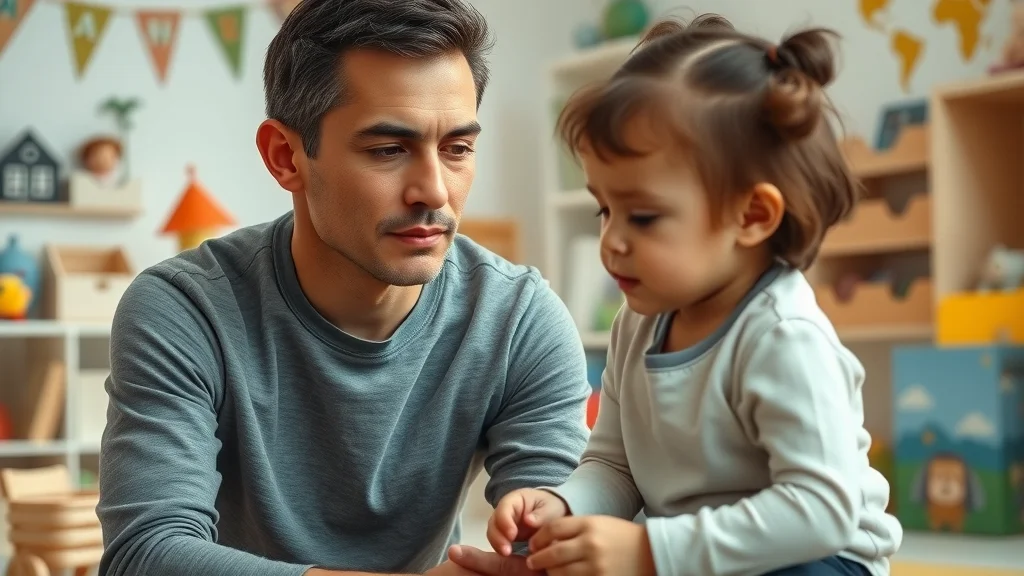
Step 2: Show You’re Listening Through Body Language and Verbal Cues
Active listening isn’t passive—it involves clear, visible signs that you’re engaged. Positive body language—like open posture, nodding, and maintaining gentle eye contact—shows you are present. Add verbal cues such as “I see,” “Go on,” or “That sounds tough,” to reinforce your interest. These small gestures help demonstrate empathy and encourage children to share freely.
Responding appropriately to your child’s cues—offering a smile of encouragement or reflecting emotion in your tone—strengthens the bond and reassures your child they are truly being listened to. Practicing these skills consistently transforms your listening from surface-level to genuinely supportive.
Step 3: Reflect, Paraphrase, and Summarize
Reflection and paraphrasing are hallmark techniques of active listening. By repeating back or summarizing what your child has said, you confirm your understanding and show that you are truly invested in their message. For example, saying, “It sounds like you were upset when your friend took your toy,” helps clarify the situation and assures your child that their emotions are valid.
Summarizing not only reinforces to your child that their feelings are heard but also helps prevent misunderstandings. This feedback loop, where feelings and perspectives are echoed back, encourages a two-way conversation instead of a one-sided lecture.
Step 4: Use Open-Ended Questions to Encourage Dialogue
Open-ended questions invite children to elaborate and express themselves more fully than yes-or-no queries. Instead of asking, “Did you have a good day?”, try, “What was the best part of your day?” or “How did that make you feel?” These kinds of questions signal respect for your child’s opinions, help them dig deeper into their experiences, and keep lines of communication open.
Using open-ended questions over closed questions encourages a healthy habit of thoughtful conversation, broadening your child’s vocabulary, reasoning, and emotional understanding. It also allows parents to gain richer insights into their children’s inner world.
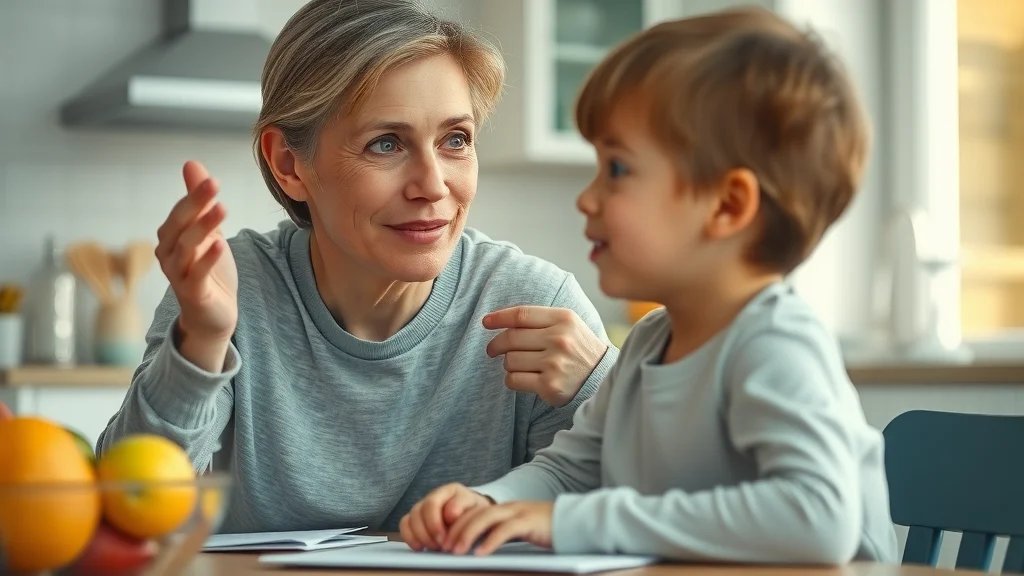
Step 5: Respond Appropriately and Empathetically
A critical component of active listening is responding with empathy. After fully hearing your child, reply in a way that acknowledges their feelings, even if you don’t agree with the behavior or perspective. Statements like, “That does sound really tough, I understand why you’d feel that way,” or “Thank you for telling me,” assure your child their thoughts are taken seriously.
Being empathetic does not mean letting go of boundaries or discipline; it means letting your child know you are on their side, seeking understanding rather than judgment. Consistent empathetic responses reduce stress and conflict, and over time, help children become confident, emotionally intelligent communicators.
Table: Comparing Active Listening Techniques and Traditional Listening
| Scenario | Active Listening Techniques | Traditional Listening Approach |
|---|---|---|
| Child shares about a tough day at school | Maintains eye contact, uses phrases like “That must’ve been hard,” and asks, “What happened next?” | Briefly nods, says “That’s life,” moves on without asking further |
| During family argument | Invites each child to speak, reflects their emotions, facilitates resolution | Issues quick orders or dismisses feelings without discussion |
| Child is excited about achievement | Encourages child to tell the full story, celebrates effort as well as outcome | Congratulates quickly, focuses on end result not effort |
| Routine conversations (mealtime, car rides) | Asks open-ended questions, is present, engages each family member | Half-listens while multitasking, gives generic responses |
Developing Active Listening Skills Amidst Parenting Challenges
Identifying Barriers to Effective Listening
Parenting comes with daily obstacles—distractions, stress, multitasking, and time pressures can make active listening difficult. It’s easy to fall into patterns of half-listening or to be preoccupied with your adult concerns while your child talks. Barriers like fatigue, emotional overload, and digital distractions all compete for attention, undermining the goal of active listening.
Recognizing these barriers is the first step toward change. Keep in mind: active listening requires intention. Taking a moment to pause before responding, or setting aside a specific time to really focus on your child, helps you develop stronger, more consistent listening behaviors, even during challenging times.
Improving Your Active Listening During Stressful Moments
When emotions run high, effective communication can seem near impossible. However, these are the times active listening matters most. If you’re feeling stressed, try pausing to take a deep breath before engaging in dialogue. Remind yourself to maintain open posture and neutral facial expressions, even when you’re frustrated.
Share your feelings honestly with your child ("I’m feeling a bit overwhelmed, but I want to hear what you have to say"), which models emotional regulation and invites cooperation. Over time, practicing active listening in difficult moments will help you—and your child—manage conflicts more constructively.

Active Listening Technique Adaptations for Diverse Family Dynamics
Every family is unique—what works in one home may not in another. Some children are talkative, while others may express themselves through art, music, or play. Adapt your listening techniques to fit your child’s style: use drawing or storytelling prompts for expressive kids, or write notes to children who find verbal conversation difficult.
Consider cultural, linguistic, and age differences when choosing your approach. The key is consistency and flexibility—find what helps your family members feel most comfortable and heard, then refine your communication skills accordingly.
WATCH: Real-life Parenting Scenarios Demonstrating Active Listening Techniques
Video Walkthrough: Applying Listening Skills with Younger Children
In the featured video, a parent demonstrates active listening with a young child during a disagreement. Notice the parent’s body language (gentle eye contact, nodding), paraphrasing (“So you felt left out when your friend didn’t share…”), and the use of affirming phrases. This real-world example offers a clear model for effective communication and strengthens the idea that active listening skills are teachable and practical, even in everyday conflict situations.
Building Better Communication Skills: Daily Practices for Parents
Setting Intentional Family Communication Routines
Routine is key to mastering active listening skills. Set aside regular times—like family dinners, bedtime, or after school—to connect without distractions. Make it a habit to ask open-ended questions, listen actively, and encourage everyone in the family to share. This sets a positive example and builds a family tradition of open communication.
Intentional routines create predictability, which is especially comforting for children. The regular, structured practice gives everyone a chance to improve your active listening skill set, making it second nature over time.

Active Listening Skills and Technology: Managing Distractions
Technology can both help and hinder communication. Smartphones and screens are constant temptations, so it’s vital to carve out device-free moments for meaningful conversations. Set boundaries around screen time and practice putting away devices during family talks.
Explain to your children why you value this time—showing by example that paying attention to each other is a priority. Doing so strengthens your connection and shows your commitment to practicing active listening, even in a digital world.
Small Changes, Big Differences: Improving Your Active Listening
Even minor adjustments in your daily habits can lead to huge improvements in your active listening. Make eye contact when your child speaks, kneel or sit at their level, and put aside chores for a few minutes during important conversations. Offer regular affirmation of your child’s feelings and summarize what you’ve heard, even during brief exchanges.
Over time, these small changes add up to a significant positive change in your family’s communication dynamics. Everyone will feel more connected, valued, and understood.
Body Language Mastery Tips
Mastering body language is an essential part of being a good listener. Remain open (uncrossed arms and legs), face your child directly, and use gestures like a reassuring touch or nod to show empathy. Mirror your child’s positive or neutral expressions and avoid negative cues such as rolling your eyes or sighing loudly.
Keep your tone warm and attentive, even during tough conversations. Consistently practicing these nonverbal cues will reinforce effective communication and encourage your child to come to you with their hopes, fears, and everyday stories.
Interview with a Family Therapist: Listening Techniques that Help Children Feel Heard
In a discussion with a licensed child therapist, we explore real-world examples where active listening techniques have transformed parent-child relationships. The therapist emphasizes not only the importance of paying attention and using positive body language but also integrating paraphrasing and reflective listening into daily routines. These practices provide children with a sense of validation and empowerment, ensuring they consistently feel heard and secure within their family dynamic.
Expert Quotes on Listening Skills and Active Listening Techniques
"Active listening techniques foster trust and openness between parent and child." – Dr. Angela Martin, Child Psychologist
People Also Ask: Common Questions About Active Listening Techniques
What are 5 active listening techniques?
Answer
Five essential active listening techniques include: 1) Paying full attention without distractions; 2) Using positive body language, such as nodding and eye contact; 3) Reflecting and paraphrasing what your child says; 4) Asking open-ended questions to encourage deeper conversation; and 5) Responding with empathy and understanding, validating your child’s feelings and perspective.
What are the 3 R's of active listening?
Answer
The 3 R’s of active listening are: Repeat (echo back your child’s words to confirm understanding), Rephrase (paraphrase in your own words to clarify meaning), and Reflect (mirror your child’s feelings and emotions to demonstrate empathy).
What are the 7 key elements of active listening?
Answer
The seven key elements of active listening include paying attention, showing that you’re listening, providing feedback, deferring judgment, responding appropriately, using body language, and asking clarifying questions to explore the topic further. Practicing all these elements builds stronger communication skills and trust within families.
What are the 3 A's of active listening?
Answer
The three A’s of active listening are: Attention (focus fully on the speaker), Attitude (approach the conversation with openness and respect), and Adjustment (adapt your responses to support your child’s needs and context).
Lists: 10 Everyday Opportunities to Practice Active Listening Techniques at Home
- During meal times
- Bedtime routines
- Helping with homework
- Car rides
- After-school debriefs
- Resolving sibling disputes
- Celebrating achievements
- Discussing family plans
- Handling misbehavior
- Evaluating feelings after a tough day
FAQs on Active Listening Techniques for Parents
How can parents assess their listening skills?
Parents can assess their listening skills by reflecting on recent conversations: Did you maintain eye contact? Avoid interrupting? Summarize your child’s thoughts before responding? Regular check-ins and feedback from your child can help highlight areas of strength and those needing improvement. Several self-assessment tools and checklists are available online to dig deeper into your strengths and opportunities for growth.
What are common pitfalls when practicing active listening techniques?
Common pitfalls include multitasking during conversations, rushing to solve problems instead of validating feelings, getting distracted by technology, and interrupting your child mid-sentence. Being aware of these tendencies allows you to address them and consistently improve your active listening behaviors.
How can active listening skills be taught to children?
Modeling is the most effective way to teach active listening skills. Show your child what good listening looks like, engage them in two-way dialogue, and praise their efforts to listen and paraphrase. Use role-playing and age-appropriate activities to reinforce these skills in everyday interactions.
Are there resources for parents struggling with listening techniques?
Yes, numerous resources are available, including parenting books, online courses, local workshops, and support groups. Therapists and school counselors can also provide targeted strategies and feedback to help parents strengthen their active listening technique and overall communication skill set.

Key Takeaways: Raising Better Communicators with Active Listening Techniques
- Active listening techniques enhance child confidence and trust.
- Daily practice of listening techniques is crucial for skill development.
- Listening skills are teachable and can improve family harmony.
Conclusion: Embrace Active Listening Techniques for a Stronger Parent-Child Bond
Take Action: Start Using Active Listening Techniques Today – Watch Your Family Connection Grow
Incorporate active listening into your daily routine and experience positive change. With each conversation, you’re building trust, understanding, and lifelong communication skills.

If you’re inspired to deepen your parenting toolkit beyond active listening, consider exploring the broader philosophy of positive parenting. Shifting away from traditional punishment and toward more constructive, empathetic strategies can further enhance your family’s communication and emotional well-being. Our in-depth guide on embracing positive parenting strategies offers actionable insights and real-life examples to help you nurture a more harmonious, respectful home environment. Take the next step in your parenting journey and discover how a positive approach can empower both you and your child to thrive.


Write A Comment