
Did you know that 90% of a child’s brain growth happens before kindergarten? This single stunning fact underscores just how crucial the early years are for every young child. Child development isn’t just about learning to walk or talk—it’s a dynamic, fascinating process that touches every part of a child’s life. From first smiles to complex problem-solving, understanding developmental milestones can help caregivers, teachers, and parents nurture confident, well-rounded children. In this comprehensive guide, we’ll break down the stages of child development, highlight essential milestones, and provide the tools you need to support each phase of growth and development.
A Close Look: Why Child Development Matters Now More Than Ever
In today’s rapidly changing world, understanding child development takes on new urgency. As researchers continue to reveal the science behind how children grow and learn, families and caregivers can use this knowledge to foster healthier, happier lives. More than ever, early intervention and active engagement can make a profound difference, especially as modern challenges and opportunities shape young children’s experiences from infancy through emerging adulthood. By grasping how brain development, motor skills, emotional intelligence, and language development unfold, adults can set children up for lifelong success. Recognizing each developmental milestone arms parents and teachers with the insights needed to provide timely support—building confidence while spotting signs that may require professional attention.

"Did you know that 90% of a child’s brain growth happens before kindergarten?" — UNICEF
What You'll Learn About Child Development
The scientific definition of child development
The five key stages of child development
Core developmental milestones by age
The four main types of child development
Key domains and essential skills
How to support your child’s growth and development
Child Development: Defining the Foundation
What Is Child Development?
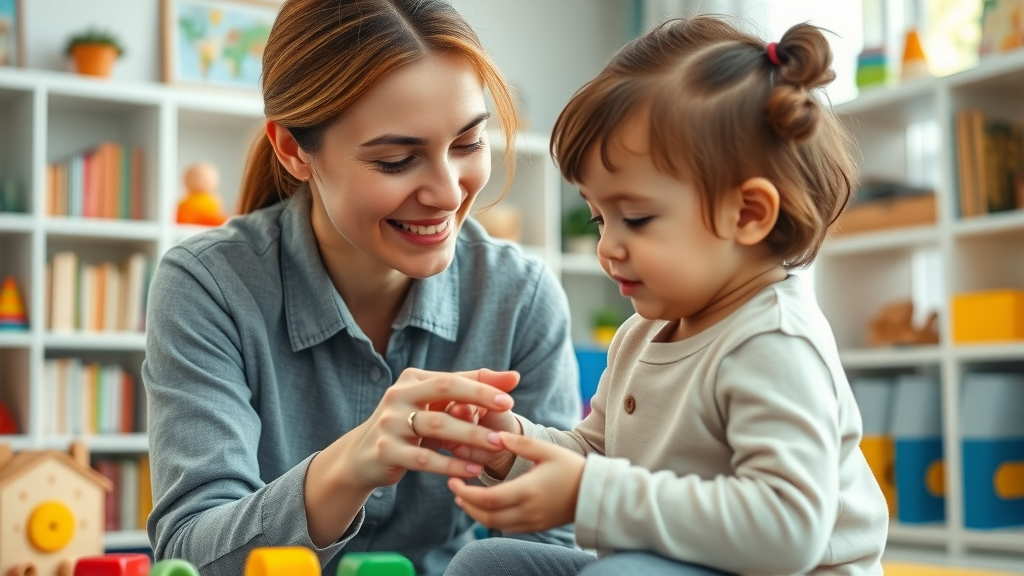
Child development is the scientific study and observation of how children grow, learn, and adapt from birth through adulthood. This process is often categorized into specific domains, such as physical development (how a child grows and moves), cognitive development (how children think, reason, and solve problems), emotional development (how feelings and self-understanding form), and language development (how communication skills grow). As young children interact with their environment, explore new activities, and form relationships, their growth and development progress in unique yet predictable stages. Understanding these developments can empower caregivers and educators to monitor progress and respond with appropriate activities and support. The official government organization resources often classify these developments and milestones to ensure healthy progression—a practice strongly backed by scientific research from trusted government websites and universities in the United States and worldwide.
As you explore the many facets of child development, it's also important to consider how positive behavior and effective discipline strategies can shape a child's growth. For practical guidance on fostering healthy habits and managing challenges, discover expert approaches in behavior and discipline for children.
Why Is Understanding Child Development Important?
Knowing how children develop helps parents, caregivers, and teachers identify when a child is thriving—or spot when extra support may be needed. Recognizing developmental milestones ensures that young children are reaching the right skills at the right time, such as crawling, walking, forming sentences, or expressing emotions appropriately. When caregivers are informed, they can better adapt daily routines and activities to encourage healthy brain development, emotional growth, and early learning. This knowledge also supports early intervention: if a young child misses key milestones, professionals can provide tailored strategies to help. Ultimately, a strong foundation in child development supports confidence, resilience, and academic achievement in every stage from infancy through adolescence.
Growth and Development: How They Interact in Childhood
Growth refers to measurable changes in physical size, such as height and weight, whereas development involves complex progress in skills, behavior, and emotional understanding. Both processes happen in tandem: as children grow physically, their ability to move, express themselves, and relate to others expands too. This inseparable bond means that poor nutrition, illness, or lack of supportive interaction can affect both growth and development. Government websites and pediatric professionals emphasize the need for regular check-ins, balanced nutrition, and engaging activities to ensure every child's potential is realized. Understanding how motor skills, cognitive abilities, and language development interact gives caregivers a broader view, reinforcing the importance of a nurturing, stimulating environment.
The Five Key Stages of Child Development: A Timeline
Children progress through five distinctive stages as they mature, each defined by unique developmental milestones and rapid changes in abilities. Recognizing these stages—from the helplessness of infancy to the complex problem-solving of adolescence—can help adults provide age-appropriate support and early learning activities. This journey isn’t linear: although most children follow similar patterns of growth and development, every child’s timeline is naturally unique. Regular monitoring (often recommended on gov websites and in child development ca resources) allows prompt intervention if delays or challenges become apparent.
Child Development Stages and Typical Developmental Milestones |
||
Stage |
Age Range |
Major Developmental Milestones |
|---|---|---|
Infancy |
0–2 years |
Babbling, sitting, crawling, walking, forming attachments |
Early Childhood |
2–6 years |
Speaking sentences, basic self-care, drawing shapes, early friendships |
Middle Childhood |
6–12 years |
Reading, writing, teamwork, deeper emotional awareness |
Adolescence |
12–18 years |
Critical thinking, independence, forming identity, mature relationships |
Emerging Adulthood |
18–25 years |
Transition to independence, advanced problem-solving, future planning |
Infancy (0–2 years): Rapid Shifts in Growth and Development
Infancy is a phase of extraordinary change. During these first two years, children experience remarkable advances in motor skills—from holding up their heads and rolling over to crawling, standing, and finally walking. This stage is characterized by rapid brain development, with infants beginning to understand language and form deep emotional bonds with caregivers. By observing body language, facial expressions, and early attempts at communication, adults can discover how infants are processing the world and adapting to it. Professionals recommend regular, nurturing interaction and plenty of playtime, as these interactions promote both healthy growth and development and the emergence of key developmental milestones.
Early Childhood (2–6 years): Building Foundational Motor Skills and Language
The early childhood years are all about exploration, creativity, and early learning. Young children master fundamental motor skills, such as running, jumping, and drawing, while their vocabulary and communication abilities rapidly expand. Imaginative play and socializing with peers become highly important in fostering both cognitive development and emotional maturity. This is also the period when children start to express their independence, practice self-care, and establish the beginnings of friendships. Encouraging activities that combine movement, language, and problem-solving can maximize healthy progress across every domain. Close observation ensures children meet expected developmental milestones and can receive help if delays appear.
Middle Childhood (6–12 years): Refining Motor Skills, Social-Emotional Growth
In middle childhood, children sharpen academic skills, deepen friendships, and build self-esteem. Reading, writing, and basic mathematics become everyday tasks, while complex social interactions and rule-following foster the ability to cooperate in groups. Physical growth continues, though at a slower pace, with motor skills becoming more coordinated and fine-tuned—shown in sports, art, and music. Social and emotional development is crucial as children learn empathy, resilience, and how to handle conflicts. Consistent support from adults ensures a safe environment where children can confidently take risks, learn from mistakes, and build lasting habits for well-being.

Adolescence (12–18 years): Cognitive, Social, and Emotional Breakthroughs
Adolescence is marked by dramatic changes in cognitive development, emotional depth, and identity formation. As the brain matures, teenagers gain the ability for abstract thinking, planning, and reflective judgment. This is a time of exploring personal interests, values, and future goals. Friendships grow more complex; emotional health can fluctuate, and independence becomes central. Parents and caregivers play a critical role in guiding responsible decision-making while supporting autonomy. Monitoring developmental milestones—from critical thinking to relationship building—helps ensure adolescents stay on track while addressing challenges that may arise in academics, self-esteem, or peer interactions.
Emerging Adulthood (18–25 years): Transition to Independence
Emerging adulthood bridges adolescence and full independence. Young adults continue honing life skills: managing relationships, making career choices, and planning for the future. The transition brings new challenges, including managing responsibilities, self-sufficiency, and emotional balance. While developmental milestones during this stage may be less clearly defined than in childhood, they are no less crucial—forming the foundation for healthy, fulfilling adult lives. Parental and community support, coupled with access to educational and mental health resources, can ease the movement toward independence and instill lifelong habits for success.
Developmental Milestones: What to Expect at Each Stage

Developmental milestones are the skills and behaviors most children master at predictable ages. Healthcare providers, teachers, and agencies use these markers as benchmarks to assess growth and development, ensuring that children thrive physically, emotionally, and intellectually. These milestones span every domain—from rolling over and babbling to problem-solving, forming friendships, and expressing emotions. However, every child is unique, and some reach these goals slightly earlier or later than their peers. Caregivers should use developmental milestones as helpful guides, not rigid rules, and consult trusted resources or professionals if concerns arise.
Physical Milestones and Motor Skill Development
Physical development reflects a child's progress in motor skills—the abilities to use large groups of muscles (gross motor) and small groups (fine motor). Early stages include rolling, crawling, and walking, gradually giving way to running, jumping, and hand-eye coordination for writing or playing instruments. Young children develop strength and dexterity through active play, safe exploration, and routine health checkups. Consistent encouragement and age-appropriate challenges lay a strong foundation for lifelong health and positive growth, with regular reviews of progress helping caregivers identify any delays in motor skill advancement.
Cognitive Milestones: Early Problem-Solving and Learning
Cognitive development refers to changes in thinking, reasoning, memory, and learning abilities. From recognizing faces and objects as an infant to solving math problems or creating art in middle childhood, key milestones include curiosity, attention span, and an eagerness to learn. Early childhood is especially critical for brain development, as enriched environments and playful learning accelerate problem-solving abilities. Encouraging young children to ask questions, explore new tasks, and express their imaginations supports strong cognitive development and smooth transitions between academic and real-world settings.
Social-Emotional Developmental Milestones
Emotional development is reflected in how children understand, manage, and express feelings, while social development covers building relationships, sharing, and cooperation. Major milestones include recognizing their own emotions, empathizing with others, and forming healthy friendships. Challenges such as sharing or dealing with disappointment help children develop resilience and coping skills. Supportive adults can model positive behavior, facilitate thoughtful discussion, and offer comfort when challenges arise. Regular interaction and open communication guide children toward confident, emotionally balanced adulthood.
Language and Communication Developmental Milestones
Language development encompasses understanding, using words, forming sentences, and grasping nonverbal cues. Early on, children coo, babble, and respond to sound; by the end of early childhood, they are speaking in full sentences and can follow or give simple instructions. Strong language skills fuel academic achievement and social confidence. Talking, reading, and singing with young children each day fosters rapid vocabulary growth, boosts literacy, and encourages children to express themselves clearly and confidently in every circumstance.
The Four Types of Child Development: A Holistic View
Physical Development
Cognitive Development
Social and Emotional Development
Language and Communication Development
Together, these four types of child development provide a holistic view of a child’s progress from birth to adulthood. Growth and development across these domains are deeply interconnected—advancements in one area often spur progress in others. For instance, motor skills allow a child to participate in group play (supporting social development), while new words learned in language activities may deepen emotional understanding. For optimal health and success, caregivers, educators, and health professionals are encouraged to nurture all four types equally, adjusting their approach to each child’s individual needs and strengths.
The Five Domains of Child Development: Key Focus Areas
Physical health and motor skills
Social and emotional well-being
Approaches to learning
Language and literacy
Cognitive and general knowledge
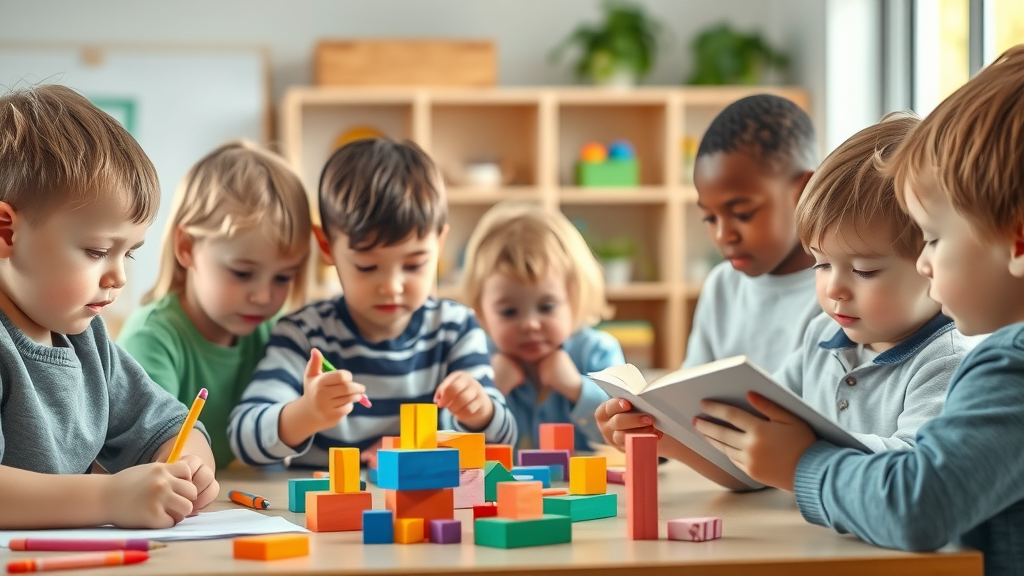
The five domains of child development help professionals and caregivers focus on the full spectrum of skills every child should develop. By targeting physical, social and emotional, cognitive, language, and learning strategies, adults can offer comprehensive support tailored to each stage and personality. Milestones in these domains, as outlined by official government organizations, provide critical benchmarks and guide parents in fostering optimal environments—at home, school, or in the community. Ongoing assessment and willingness to adapt play, communication, and daily routines ensure that children remain engaged and thrive across every area of growth and development.
Supporting Growth and Development in Children
Nurturing Early Childhood: Encouraging Motor Skills and Social Growth

The foundation for a child’s lifelong well-being is laid in the early years. Early childhood growth depends on quality interactions, a safe and stimulating environment, and age-appropriate activities that develop both motor skills and social competencies. Simple games that involve stacking, sorting, and building or opportunities for pretend play allow children to explore, learn, and connect. Supportive feedback from attentive caregivers builds self-esteem, resilience, and curiosity. Creating daily routines that prioritize unstructured play, physical activity, and quiet reflection enables young children to flourish in every developmental area.
How Parents and Caregivers Can Foster Developmental Milestones
Parents and caregivers are a child’s first teachers and strongest advocates. Encouraging open-ended play, reading books together, and singing classic rhymes engage language and cognitive development. Setting up predictable daily routines helps children feel secure and adaptable, guiding them smoothly through transitions between activities or environments. Observing and documenting developmental milestones ensures early identification of potential challenges and empowers families to seek expert intervention when necessary. Positive reinforcement, gentle correction, and consistent love foster an atmosphere where every child feels safe to take risks and grow.
Daily routines that promote growth: Regular meals, naps, and playtime help structure each day.
Activities to boost cognitive and motor skills: Puzzles, building blocks, drawing, and imaginative play.
Tips for monitoring developmental milestones: Keep a journal, use trusted checklists, and consult professionals if delays are observed.
People Also Ask: Child Development Explained
What are the 5 stages of child development?
Comprehensive Answer: Explanation of the five chronological stages from infancy through emerging adulthood, with emphasis on major growth and child development milestones at each phase.
The five stages of child development are Infancy (0–2 years), Early Childhood (2–6 years), Middle Childhood (6–12 years), Adolescence (12–18 years), and Emerging Adulthood (18–25 years). Each stage is defined by specific developmental milestones—from babbling, walking, and social play in early years to independence, critical thinking, and future planning as children mature. Monitoring progress through each phase ensures children are supported academically, socially, emotionally, and physically, laying the groundwork for healthy future development.
What is child development?
Comprehensive Answer: Clear definition of child development, covering its physical, cognitive, emotional, and social facets, and why tracking developmental milestones is essential for healthy growth.
Child development describes the sequence of physical, cognitive, emotional, and social changes that occur from birth through young adulthood. This process includes the acquisition of motor skills, learning language, managing emotions, and forming relationships. Tracking developmental milestones allows parents and caregivers to confirm that children grow as expected—or identify when intervention may help. Understanding these stages benefits every child, providing a solid base for achievement, wellbeing, and social participation throughout life.
What are the four types of child development?
Comprehensive Answer: Outline of physical, cognitive, social/emotional, and language development, including how these types are interconnected for a child's well-being.
The four types of child development are: 1) Physical development (growth, motor skill improvement); 2) Cognitive development (memory, reasoning, learning); 3) Social and emotional development (relationships, self-control, empathy); and 4) Language and communication development (understanding and using language). These domains are interconnected, and progress in one often helps drive development in others. For full well-being, children benefit from well-rounded support in each area as they move through every stage of childhood and adolescence.
What are the 5 domains of child development?
Comprehensive Answer: List and describe the five primary domains—physical, social/emotional, approaches to learning, language/literacy, and cognitive—and their developmental milestones.
The five domains of child development are: 1) Physical health and motor skills, 2) Social and emotional well-being, 3) Approaches to learning, 4) Language and literacy, and 5) Cognitive and general knowledge. Each domain has unique but related developmental milestones, such as learning to walk, making friends, exploring new information, building vocabulary, and problem-solving abilities. Comprehensive attention to these domains fosters healthy child development and ensures that children are ready for future challenges at school and beyond.
FAQs on Child Development and Developmental Milestones
How do I know if my child is meeting developmental milestones?
Regular checkups, use of development checklists, and observing your child’s ability to perform age-appropriate activities help determine progress. Pediatricians and early childhood educators can provide expert guidance and reassurance.When should I consult a pediatrician about child development concerns?
If your child consistently misses key developmental milestones or you notice sudden skill loss, schedule a consultation promptly. Early intervention is most effective when concerns are identified quickly.Can environmental factors affect child development?
Yes, family dynamics, nutrition, access to learning, quality of care, and community resources all impact child development. A nurturing, enriching environment is key to optimal growth.What activities best support early childhood development?
Daily play, reading, music, movement, and opportunities for creativity all spur healthy development. Positive routines and strong emotional bonds are also essential.How does child development differ among children?
Every child is unique; genetics, temperament, family background, and individual health influence the pace and sequence of development. Milestones serve as guides, not absolute deadlines.
Key Takeaways: Ensuring Healthy Child Development
Child development is multifaceted—encompassing physical, motor skills, cognitive, and emotional growth.
Active involvement of caregivers supports developmental milestones.
Understanding developmental stages aids timely intervention and support.
Further Reading and Resources on Child Development
Explore more through pediatric resources, parenting guides, and trusted official sites like the CDC, UNICEF, and your local gov website for updated checklists and professional advice on child development.
As you continue your journey to support your child's growth, remember that development doesn't happen in isolation—it's shaped by the world around them, including technology, media, and evolving social influences. For a broader perspective on how to raise resilient, well-adjusted kids in today's digital age, explore the comprehensive resources and expert insights available at Raising Kids Well. You'll find guidance on everything from navigating online environments to fostering emotional intelligence, empowering you to make informed decisions at every stage. Dive deeper and discover new strategies to help your child thrive in a rapidly changing world.


Write A Comment