
Did you know that by age 5, a child's brain reaches over 90% of its adult size? The rapid pace of early childhood development during the years of life between ages 2 and 5 shapes not only how children grow, but it lays the foundation for lifelong learning, emotional well-being, and overall health. In this guide, we unravel what to expect in these transformative early years, and how your everyday actions can profoundly impact your young child’s future.
Early Childhood Development: Understanding Critical Ages 2–5
The early years, particularly ages 2 to 5, are remarkable for the sheer amount of growth children undergo physically, cognitively, emotionally, and socially. Early childhood development defines more than just milestones for walking and talking—it includes the formation of neural connections, character, and readiness for future learning. This period is when children’s brains are most sensitive to nurturing care, stimulation, and early learning experiences. Parents and caregivers play a pivotal role by providing nurturing care, supportive environments, and appropriate challenges to help children thrive and reach their full potential. Understanding what happens during this critical window sets the stage for recognizing development, supporting healthy habits, and spotting concerns early.
Practical insights into the developmental stages offer direction for everyday life. Whether you’re a parent, educator, or healthcare provider, knowing what’s typical helps you nurture essential skills, encourage resilience, and champion the unique journey of every early child. Let’s explore how young children grow during these transformative years of life.
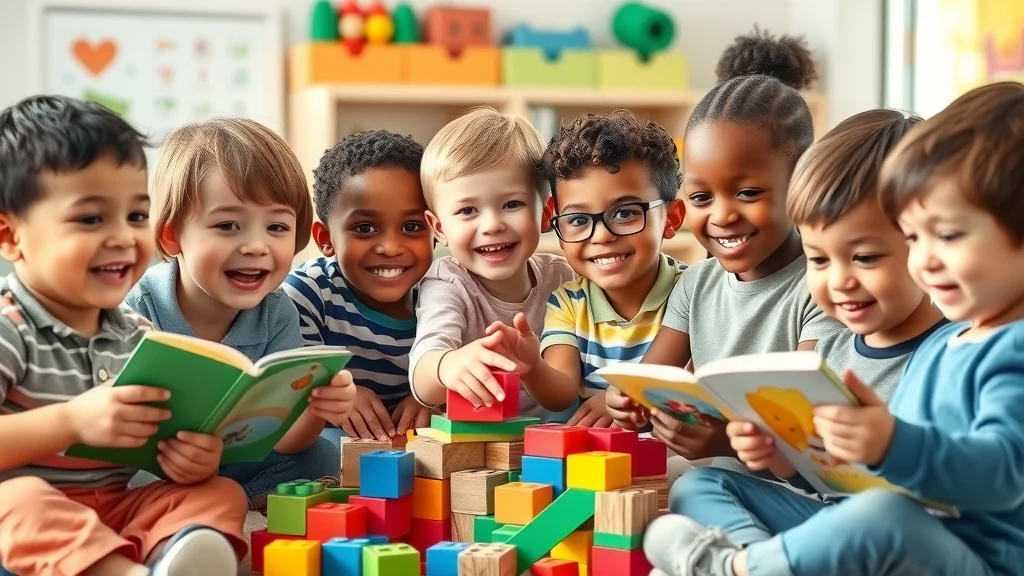
A Surprising Start: How Early Childhood Development Shapes Long-Term Outcomes
The evidence is clear: the experiences and relationships during the early years have a profound effect on the long-term outcomes of every child. During this phase, the brain forms trillions of neural connections—more than at any other time in life. Positive, responsive caregiving and quality early environments set the stage for better academic performance, emotional stability, and even physical and mental health in adulthood. Conversely, chronic stress or lack of stimulation can impact learning and challenge future success. Recognizing the importance of early childhood development means that parents, caregivers, and communities can act early to ensure young children not only survive but thrive.
Strong foundations in early childhood development support children as they face challenges, build resilience, and develop the tools to reach their full potential. Investing in these early years isn’t just a family priority—it’s a community and societal imperative, paving the way for healthier, more capable individuals.
As you nurture your child's growth, it's important to consider not just what you teach, but how you guide their behavior. Exploring positive parenting strategies instead of traditional punishment can foster a more supportive and effective environment for early learning and emotional development.
What You'll Learn About Early Childhood Development
- Key milestones in early childhood development from ages 2–5
- How physical, cognitive, emotional, and social skills evolve during the early years
- Tips for nurturing care and supporting young children at home
- What to look for in an early childhood program or early childhood education
Defining Early Childhood Development: What Is the Early Childhood Development?
What is the early childhood development?
Early childhood development refers to the multifaceted growth experienced by young children from birth up to age 8, with ages 2–5 being a particularly dynamic phase. It encompasses the rapid expansion of cognitive, physical, emotional, social, and language skills that children need to thrive both in childhood and later life. The early years are a time when play, exploration, and nurturing relationships stimulate brain development—providing a critical foundation for future learning, health, and well-being. These advancements don’t happen in isolation; they’re shaped by the child’s relationships, experiences, and environment. Responsive caregiving, opportunities for early learning, and access to health care all contribute to whether children reach their full potential.
"The early years of life are the foundation for future health, learning, and well-being." – Center on the Developing Child, Harvard University
Early Childhood Growth Milestones: Years of Life 2–5
Children progress through key developmental milestones between ages 2 and 5 that reflect the integration of physical, cognitive, emotional, and social development. These years of life are filled with notable changes, such as mastering new movements, expanding vocabulary, understanding their feelings, and interacting with the world in increasingly complex ways. For parents and caregivers, recognizing these milestones offers valuable insights into whether a child’s growth aligns with expected patterns or if early intervention might be needed. This understanding also helps set realistic expectations and identify ways to encourage new skill acquisition at home or in an early childhood program.
The following table summarizes typical developmental milestones for children from ages 2 to 5, separating physical and cognitive development milestones as children grow and change.
Table: Early Childhood Development Physical and Cognitive Milestones
| Age | Physical Development | Cognitive Development |
|---|---|---|
| 2 | Walks and runs | Begins problem-solving |
| 3 | Climbs stairs | Understands cause and effect |
| 4 | Hops on one foot | Improves memory |
| 5 | Skips and jumps | Follows multi-step directions |
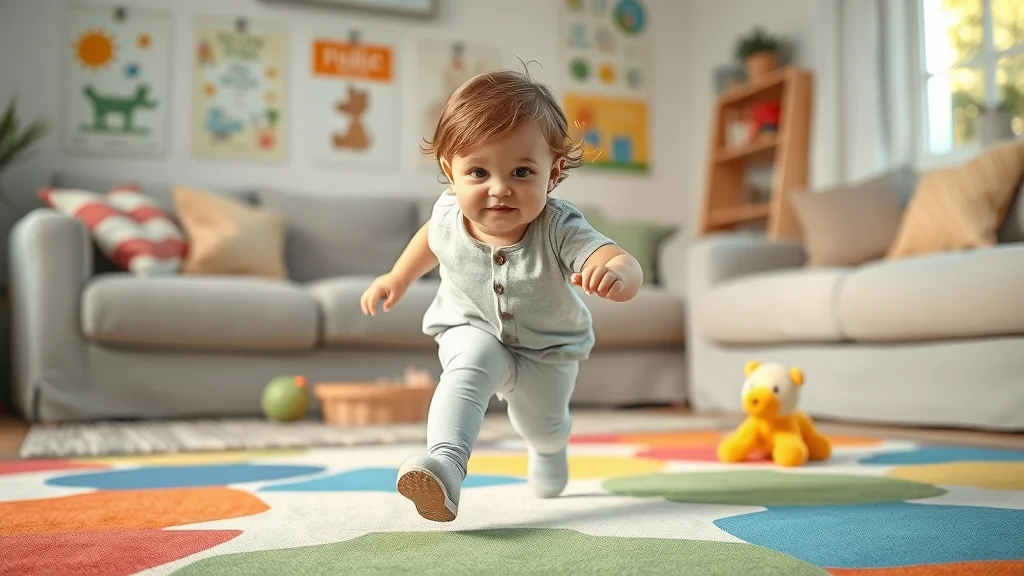
Five Stages of Early Childhood Development
Early childhood development is typically classified into five interconnected stages, each representing a crucial aspect of how children grow and interact with the world. Understanding these stages helps parents and caregivers identify strengths, support new learning, and create a more balanced approach to childhood development. Focusing on all five ensures that children have the resources, encouragement, and nurturing care required to reach important milestones across domains. The interplay among these stages means that growth in one area can positively influence others.
Let’s break down these five essential stages and their significance in the years of life between ages 2–5.
What are the five stages of early childhood development?
- Physical Development: Growth in motor skills and body control, from running and coordinating actions to fine-motor achievements like using crayons or buttons.
- Cognitive Development: Learning, problem-solving, memory, and the ability to process information—crucial for school readiness and later learning.
- Emotional Development: Understanding and expressing emotions, building resilience, and developing self-confidence to take on new challenges.
- Social Development: Learning to share, cooperate, resolve conflicts, and form friendships or attachments beyond the immediate family.
- Language Development: The ability to communicate and understand language—whether spoken, signed, or written—connecting children with the world around them.
The Main Areas of Child Development in the Early Years
Each of the five stages can be grouped into main development areas that shape a young child’s daily life and outlook. The early years are when children’s experiences, relationships, and learning environments combine to influence overall healthy development. Understanding these core areas supports families and educators in providing holistic support, from brain development to nurturing care, ensuring children grow toward their full potential.
The following table breaks down the five main areas of child development in the early years, offering a concise overview.
What are the 5 main areas of child development in the early years?
| Development Area | Description |
|---|---|
| Physical | Growth in body and motor skills |
| Cognitive | Learning, thinking, and problem-solving |
| Emotional | Understanding and managing emotions |
| Social | Interacting with others |
| Language | Understanding and using speech |

Examples of Early Childhood Development in Practice
The best way to understand early childhood development is to see it in real life. From a toddler stacking blocks and sorting colors, to a four-year-old telling a short story or making a new friend in preschool, children show daily examples of development as they tackle new challenges. These milestones are not limited to academic or physical skills; they include developing empathy, expressing themselves through art or music, and finding ways to solve everyday problems. Adult interaction—such as reading a bedtime story, modeling positive social behaviors, or providing guidance through emotional moments—reinforces healthy childhood development and encourages young children to experiment, play, and grow.
Practice in routine settings—whether at home, in a playground, or within early childhood programs—demonstrates the dynamic interplay of multiple developmental domains, underscoring that every experience contributes to a child’s ability to thrive and reach their full potential.
What are examples of development in early childhood?
Examples include:
- Learning to use utensils during meals (physical and cognitive development)
- Following two- or three-step directions (cognitive and language skills)
- Expressing feelings through facial expressions or words (emotional development)
- Initiating play with peers and resolving small disagreements (social development)
- Expanding vocabulary, asking questions, and understanding stories (language and cognitive skills)
Supportive Environments: The Role of Nurturing Care and Early Childhood Program
The environments that surround young children, both at home and in educational settings, are crucial for healthy development. High-quality early childhood programs, responsive caregiving, and nurturing care all lead to stronger brain development and better physical, emotional, and cognitive outcomes. These settings offer structure through routines, opportunities for creative play, and guiding emotional expression—key drivers of resilience and security in early child development. Establishing a partnership with families and involving them in the planning and implementation of childhood programs builds trust and maximizes positive outcomes for children.
Safe, stimulating environments provide multiple avenues for growth and allow children of all abilities and backgrounds—including children with disabilities—to reach their full potential. Investing in supportive settings is not only about care during the early years, but about ensuring a foundation for lifelong success.
Creating Nurturing Care Settings for Early Childhood Development
- Establish routines and clear expectations
- Encourage play to boost learning and creativity
- Support emotional development through responsive interactions
- Involve families in early childhood education and planning
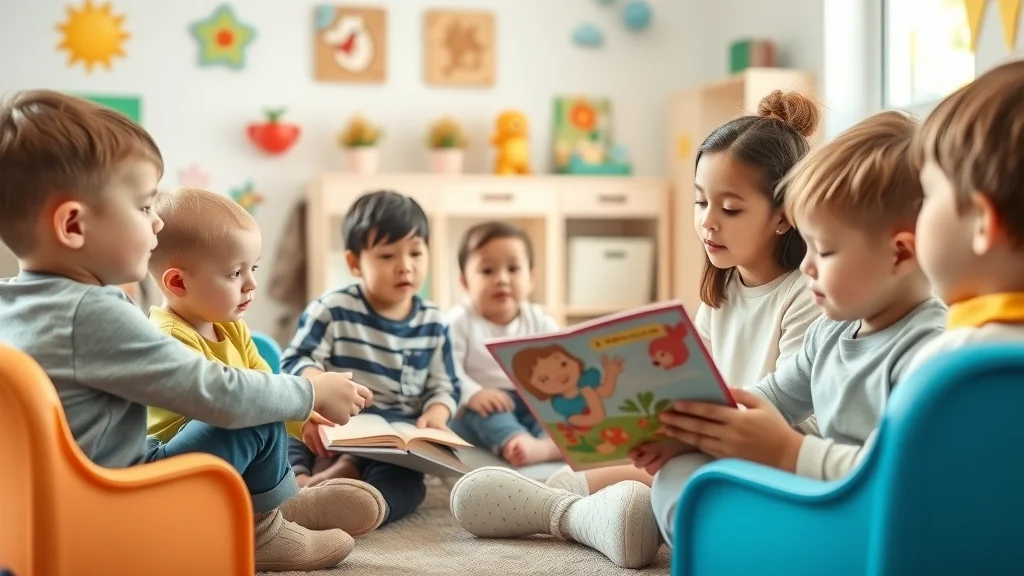
"Nurturing relationships and stimulating experiences in the early years lead to better outcomes for young children." – UNICEF
Early Childhood Education and Program Selection
Choosing the right early childhood education center or early childhood program is a significant decision for families. Quality early settings fulfill developmental needs through safe, supportive, and engaging experiences. Look for programs with well-trained educators, access to health care support, inclusive practices, and a philosophy that aligns with family values. The best programs foster nurturing care, encourage individuality, and promote emotional, social, and cognitive growth—enabling children to reach their full potential.
Early intervention and collaboration between families, educators, and health professionals ensure that concerns are addressed proactively and that all children—including those with unique needs—can thrive in inclusive learning environments.
Choosing the Right Early Childhood Program
- What to look for in early childhood education centers
- Importance of trained educators and health care access
- Aligning early childhood program philosophy with family needs
Monitoring Progress: Why It Pays to Act Early
Regularly monitoring your child’s growth and developmental milestones ensures that you can act early if concerns arise. Many developmental delays and health challenges can be addressed more effectively with early intervention, giving children the best chance to succeed. Being aware of typical patterns in early childhood development and consulting professionals if you notice red flags can help parents and caregivers lay the groundwork for later success and well-being.
By working with health care teams, educators, and early childhood specialists, you create a safety net—not just for your child, but for the community, enabling all children to achieve their best outcomes.
Act Early: Early Childhood Development Red Flags
- Missing major milestones such as speaking or walking
- Difficulty interacting with peers or adults
- Behavioral concerns or regression
- When to consult your health care provider
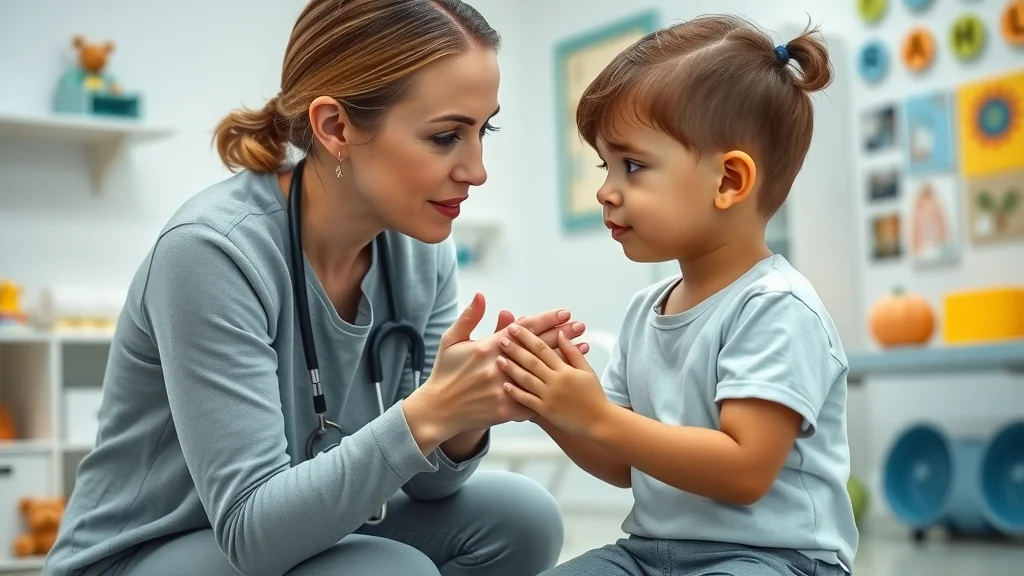
Supporting Your Young Child's Mental Health
Mental health matters just as much as physical health in early childhood development. Promoting mental health means encouraging positive emotional experiences, fostering secure attachments, and providing tools to help children manage stress and challenges. Family, community, and educational settings that prioritize mental well-being help children build confidence, resilience, and social skills that persist well beyond the early years.
Being proactive and attentive to your child’s emotional cues—and seeking help or resources as needed—ensures a well-rounded, healthy foundation for future learning and relationships.
Why Mental Health Matters in Early Childhood Development
- Signs of healthy emotional development in young children
- Strategies for fostering resilience
- Resources for mental health support
Lists of Essential Tips for Early Childhood Development
- Create a safe, stimulating environment
- Maintain open communication with caregivers and health care providers
- Foster play, exploration, and socialization
- Promote healthy habits and routines

Key Takeaways on Early Childhood Development
- Foundation for lifelong learning and well-being is set between ages 2–5
- Physical, cognitive, emotional, and social skills develop rapidly
- Nurturing care and early intervention are vital
- Family support and early childhood programs make a difference
FAQs About Early Childhood Development
How can parents support early childhood development at home?
Parents and caregivers can nurture early childhood development by providing a safe and stimulating environment, engaging in play and learning activities, and encouraging open communication. Establishing daily routines, responding sensitively to a child’s needs, and modeling positive behavior are powerful ways to support healthy development. Regularly reading, problem-solving together, and exposing children to new experiences also help them reach important milestones throughout the early years.
What role does play have in young child development?
Play is essential for young child development, fostering creativity, critical thinking, social skills, and physical growth. Through play, children learn to navigate challenges, experiment with roles, and build relationships. Activities such as building blocks, outdoor games, or imaginative storytelling all stimulate different areas of development—making play an invaluable part of healthy childhood development.
Are there warning signs to watch for in childhood development?
Warning signs include delays in reaching major milestones (like walking or speaking), persistent difficulty interacting with others, significant behavioral concerns, or regression in skills. If you notice any of these, or have concerns about your child’s progress, consult a health care provider for evaluation and support. Early identification and intervention make a significant difference in outcomes for young children.
How does early childhood education impact future success?
High-quality early childhood education lays the foundation for future academic achievement, social adaptation, and emotional well-being. Research shows that attending quality early childhood programs is linked with better school readiness, lifelong learning skills, and improved health and economic outcomes. These benefits are especially significant for children from disadvantaged backgrounds, highlighting the importance of equitable and accessible early childhood education.
Summary and Next Steps for Supporting Early Childhood Development
Invest in the early years. Support your child’s unique growth with attentive care, proactive health monitoring, and positive experiences—in both home and educational settings.
As you continue your journey in supporting your child's early development, remember that the way you respond to challenges and guide behavior can have a lasting impact. If you're interested in learning how to foster cooperation and emotional growth without relying on punitive measures, our in-depth resource on embracing positive parenting over punishment offers practical strategies and a fresh perspective. By adopting positive approaches, you not only nurture your child's confidence and resilience but also strengthen your family’s connection. Explore these advanced techniques to create a more harmonious and supportive environment for your child’s lifelong success.
Discover Resources to Foster Your Child's Early Childhood Development: Download Our Guide or Connect With Experts
Ready to empower your child’s early journey? Download our comprehensive guide or reach out to early childhood development specialists for customized advice. Your support today is the key to unlocking your child’s potential tomorrow.


Write A Comment