
Did you know that nearly 1 in 6 children experience developmental delays, making early awareness of key milestones in infant development crucial for families? Recognizing these vital stages ensures your infant receives the support they need for thriving growth and well-being. This comprehensive guide will help you learn the signs, understand each critical milestone, and empower you to act early. Whether you’re a new parent, a caregiver, or simply curious, understanding developmental milestones is a major step toward giving every child the best start in life.
Unveiling the Key Milestones in Infant Development: Why Early Recognition Matters
Every parent dreams of watching their child flourish, but understanding the key milestones in infant development is essential for ensuring healthy progress. Early recognition enables families to act early, fostering an environment where children can reach their full potential. For example, if your child isn’t rolling over or sitting unaided within the typical timeframe, identifying this promptly helps both medical professionals and families intervene with effective support strategies. Timely identification of developmental milestones creates a bridge to validated developmental screening and, when needed, consulting health professionals for early intervention services. In this way, understanding milestones isn’t just informative—it can profoundly impact a child’s future achievements and confidence. By keeping track of these developmental milestones with tools like a milestone tracker mobile app, you can notice subtle changes in your infant’s growth and reach out for help if necessary, ensuring none of these critical stages are missed.
"Did you know that nearly 1 in 6 children experience developmental delays, making early awareness of key milestones in infant development crucial for families?"
What You'll Learn About Key Milestones in Infant Development
- How to identify major developmental milestones at different infant stages
- Why understanding each developmental milestone empowers parents and caregivers
- How to use a milestone tracker effectively
- When to act early and consult a pediatrician
Understanding Developmental Milestones: The Foundation of Infant Development
What Are Key Milestones in Infant Development?
Key milestones in infant development are the markers or significant achievements that most children reach as they grow, such as smiling, sitting, crawling, and walking. These milestones reflect the building blocks of a child's future, spanning physical, cognitive, social, and emotional growth. Each child develops at their own pace, but these markers provide universal guidelines used by pediatricians and experts worldwide. Developmental milestones are more than just physical abilities; they include skills like following objects with their eyes, recognizing caregivers, and beginning to understand basic words and emotions. By keeping track of these abilities, parents and caregivers can learn the signs of healthy infant development and identify any potential concerns early. Leveraging a milestone guide or a milestone tracker simplifies this observation process, making it easier for families to confidently nurture their child's progress.

Why Developmental Milestones Matter for Healthy Children
Understanding developmental milestones is vital because they act as early warning signals for possible developmental challenges. When caregivers learn the signs and regularly monitor progress, they can act early if their child is not meeting expected milestones. The earlier intervention starts, the more likely children are to overcome delays and thrive alongside their peers. Trusted sources such as a gov website or validated developmental screening tools emphasize the importance of observing milestones for every age group. By using a milestone tracker, families can systematically record achievements and quickly spot areas where their child might need extra support. This proactive engagement empowers parents, ensuring that no opportunities for healthy development are missed throughout infancy and early childhood.
"Children develop at their own pace, but learning the signs of key milestones in infant development helps ensure timely support."
The Progression of Developmental Milestones in Infancy
Physical Developmental Milestones: Motor Skills and Reflexes
Physical developmental milestones involve the progression of motor skills and reflexes that are critical for an infant’s ability to interact with their environment. In the first three months, you’ll observe reflexive actions like startling at loud noises and grasping objects, which are then followed by more intentional movements such as lifting the head and rolling over. As babies approach the six-month mark, milestones include sitting unaided and using hands to explore their world. Each physical step, whether it’s crawling, pulling to stand, or finally taking their first steps, is a testament to the body’s growing strength, coordination, and balance. Tracking these physical milestones is crucial because they directly influence an infant’s independence and exploration during their earliest months of life. By using milestone guides or milestone tracker mobile apps, parents ensure that children meet, or when needed, get support to reach development milestones on time.
While tracking these physical and cognitive milestones is essential, it's equally important to consider how your approach to discipline and guidance shapes your child's overall development. For a deeper look at nurturing growth through positive strategies rather than traditional punishment, explore why embracing positive parenting can make a meaningful difference in your child's early years.
Cognitive Development Milestones in Infant Development
Cognitive milestones highlight how children begin to understand and make sense of their world. In infancy, cognitive progress is demonstrated when babies start following moving objects, recognizing familiar faces, and responding to their name. As they grow, they begin to imitate gestures, find partially hidden objects, and show curiosity about how things work—milestones many parents document in their child’s development. Recognizing these soft signs of cognitive growth enables families to act early if they notice delays in skills like problem-solving, memory, and early reasoning abilities. Validated developmental screening and milestone trackers can help pinpoint these subtle achievements. Remember, children develop at unique rates and may excel in certain cognitive areas before others; consistent tracking ensures no important learning stages are overlooked, allowing intervention when necessary.
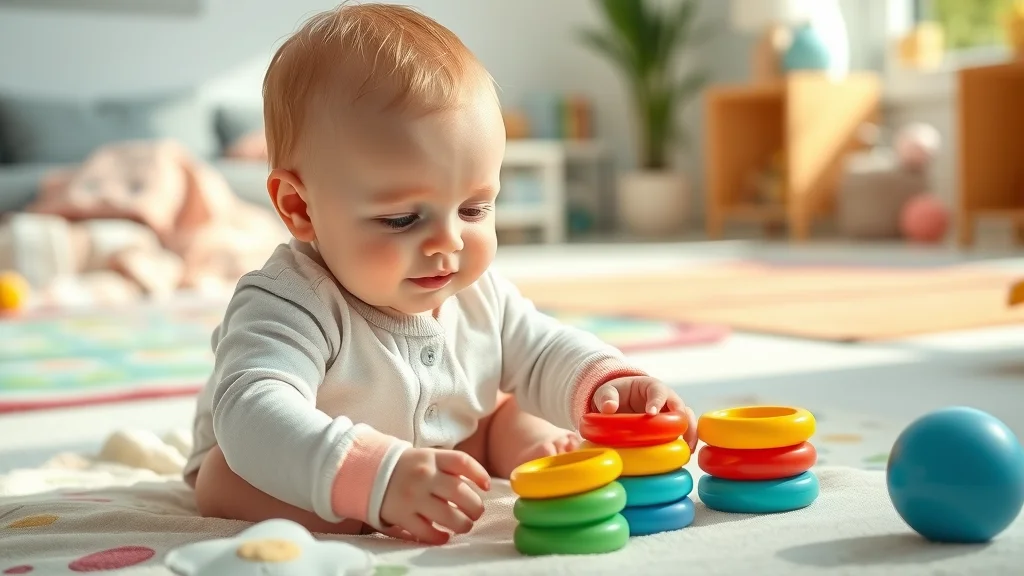
Social and Emotional Developmental Milestones in Early Childhood
Social and emotional milestones reflect how infants build relationships and express their feelings. A baby’s first genuine smile, mimicking facial expressions, or showing attachment to caregivers are all crucial markers of social development. As infants mature, they gradually display preferences for certain people, may show fear of strangers, and express a wider range of emotions—joy, anger, or frustration—demonstrating the internalization of social cues. Recognizing these patterns is essential for supporting healthy emotional growth. Parents can leverage milestone trackers to distinguish between normal stages and signs of potential challenges. Early detection and response, particularly for emotional and social setbacks, enable families to foster secure relationships and emotional resilience in their children, key elements for well-adjusted adulthood.
Language and Communication Milestones: Learning the Signs
Language and communication milestones are among the most eagerly anticipated signs in infant development. From the earliest coos and babbling to uttering their first meaningful words, these achievements pave the way for effective communication and later academic success. Most babies start by responding to voices, turning their heads toward familiar sounds, and experimenting with different vocalizations. Over time, babbling turns to simple words and an understanding of basic instructions. Monitoring language milestones is important because delays in speech or comprehension can indicate underlying developmental issues. Tools like validated developmental screening and milestone tracker mobile apps are invaluable for observing and acting early if milestones aren’t met as expected. Remember, every child develops at their own pace, and a supportive environment is crucial for nurturing strong language and communication skills.
Act Early: Recognizing Early Signs with a Milestone Tracker
How to Use a Milestone Tracker for Monitoring Key Milestones in Infant Development
A milestone tracker can be your best ally in observing how your child develops day by day. These tools, available as physical charts, journals, or intuitive tracker mobile apps, allow you to record when your child reaches each stage. By consistently documenting milestones, patterns in progress and any delays become more apparent, enabling prompt communication with health professionals if concerns arise. Many parents use government-endorsed milestone tracker apps or guides found on secure websites to ensure privacy and accuracy in their records. These resources also help families learn the signs for each age group and give tailored advice based on the child’s age and behaviors. Whether you use a simple paper chart or a validated, interactive mobile app, tracking is the first step to empowering your infant’s journey and acting early when needed.
When to Act Early and Consult Health Professionals
If your child is not meeting key developmental milestones, acting early is vital. Common signs calling for professional consultation include lack of eye contact, not smiling by three months, inability to roll over or sit unaided at expected ages, or not responding to sound and simple commands. Health guidelines, such as those from a trusted gov website, highlight the need to share your concerns with a pediatrician when delays are observed. Early intervention and validated developmental screening tools offer the best outcomes for children facing delays. Remember that it’s not just about checking boxes; every missed or delayed milestone can be a window into your child’s unique needs. Seeking advice and support ensures that children are supported in a timely manner, giving them the best chance to thrive across every stage of infant development.
- Top signs to look for in each developmental milestone
- How milestone trackers simplify observation
| Age | Physical Milestones | Cognitive Milestones | Social/Emotional | Language |
|---|---|---|---|---|
| 0-3 months | Lifts head | Follows objects | Smiles | Coos |
| 4-6 months | Rolls over | Recognizes caregivers | Shows joy | Babbling |
| 7-9 months | Sits unaided | Finds partially hidden objects | Expresses fear | Responds to name |
| 10-12 months | Crawls, pulls to stand | Imitates gestures | Attachment behaviors | First words |
Tracking the Five Core Milestones in Infant Development
Overview: The Five Essential Developmental Milestones
The journey through infancy is marked by five essential developmental milestones: rolling over, sitting unaided, crawling, standing, and walking. Each of these represents a significant leap in physical and cognitive growth, forming the core foundation upon which further skills are built. As children master these steps, they become more confident explorers of their environment. Parents can use a milestone tracker or mobile app to document progress, ensuring that their child progresses through each stage safely and on schedule. Remember, these milestones are things most children achieve, but timing can vary between individuals, so it’s important to celebrate progress rather than compare exact ages.
- Rolling over
- Sitting unaided
- Crawling
- Standing
- Walking

PAA: What Are the Key Milestones of a Baby?
Answering: What Are the Key Milestones of a Baby?
Key milestones in infant development include rolling over, sitting unaided, crawling, standing, and walking, alongside crucial cognitive behaviors such as recognizing caregivers, imitating gestures, and responding to their name. Milestones your child should reach involve not only large motor skills, but also social and emotional achievements like smiling or forming attachments, and language advances such as cooing or uttering the first words. Monitoring these milestones with a validated developmental screening tool or a tracker mobile app can help parents act early if any delays become apparent. Always remember, milestones are things most babies will accomplish, but individual timing may vary.

Key milestones in infant development include rolling over, sitting, crawling, standing, and walking, alongside cognitive, social, and language achievements.
These core milestones highlight the interconnectedness of physical, cognitive, language, and emotional growth. Monitoring all aspects ensures a child’s development is well-rounded and on track. Tools like milestone tracker mobile apps offer parents reassurance and clear guidance through each stage, making the infant development journey smoother and more rewarding.
PAA: What Are the Five Milestones of Infant Development?
Answering: What Are the Five Milestones of Infant Development?
The five primary milestones of infant development are rolling over, sitting up, crawling, standing, and taking first steps. Each is a critical developmental milestone marking increasing independence and mastery of motor skills. Milestones your child should reach in this sequence support not just physical growth but also provide opportunities for cognitive and social advancement. As your baby navigates these milestones, they explore new aspects of their world, laying foundations for complex actions later in childhood. Tracking each achievement ensures early recognition of delays and allows caregivers to support their child’s unique pace of growth.
The five milestones are rolling over, sitting up, crawling, standing, and taking first steps—all critical developmental milestones in early childhood.
Each milestone builds upon the last, resulting in increasing mobility, coordination, and curiosity. Recognizing these milestones in real-time with the support of tools like a milestone tracker or mobile app empowers families to share sensitive information with pediatricians and act early when concerns arise, promoting healthy development from birth onward.

PAA: What Are the Four Developmental Milestones in Infancy?
Answering: What Are the Four Developmental Milestones in Infancy?
The four primary developmental milestones in infancy are gross motor, fine motor, language, and social/emotional skill progressions. Gross motor milestones include rolling, sitting, and crawling, while fine motor milestones involve grasping objects and transferring items between hands. Language milestones are met as babies begin to understand and formulate sounds, transitioning to actual words. Social/emotional milestones involve emotionally connecting with others, expressing joy, and forming attachments. Observing these categories ensures a holistic view of infant development, ensuring each child builds a sound foundation for childhood and beyond.
The four primary developmental milestones in infancy include gross motor, fine motor, language, and social/emotional skill progressions.
Tracking these dimensions with a validated developmental screening or milestone tracker enables families to support balanced growth. Whenever a child seems delayed in any one area, acting early and consulting health professionals is key to addressing concerns and fostering developmental progress at every stage.
PAA: What Is the Major Developmental Task for an Infant?
Answering: What Is the Major Developmental Task for an Infant?
For infants, the major developmental task is establishing trust and security through nurturing relationships while gaining physical control and foundational communication abilities. During the first year, infants develop confidence in their caregivers and environment, a process critical for lifelong emotional well-being. Simultaneously, they acquire vital mobility and language skills, all of which are closely monitored through key developmental milestones. When parents routinely observe and act early on these milestones, infants achieve the best outcomes in building trust, developing a strong sense of self, and preparing for future learning experiences.

For infants, developing trust, physical control, and communication skills is essential as key milestones in infant development.
By focusing on these foundational skills, families set the stage for a child’s ongoing success. Secure attachments, strong muscles, and initial language skills serve as the building blocks for more advanced learning later. Utilizing milestone guides and trackers is a proactive way to make sure infants reach certain milestones, and to seek assistance early if they don’t.
FAQs About Key Milestones in Infant Development
-
How can I support my child's developmental milestone progress?
Encourage play, tummy time, and regular interaction. Read, talk, and respond to your child’s cues to nurture their progress across all major milestones. Use milestone tracker tools to monitor growth and intervene early if you notice potential delays. -
What should I do if my baby misses a developmental milestone?
If your child is not meeting milestones by the projected age, don’t panic. Children develop at different rates. However, use validated developmental screening tools and consult your pediatrician to discuss your concerns and create a plan for support. -
Why is milestone tracking important for infants?
Tracking milestones gives families the ability to act early and ensures timely recognition of developmental needs. This empowers parents to offer targeted support, fostering healthy growth and confidence as children develop.
Key Takeaways from Tracking Key Milestones in Infant Development
- Early recognition of developmental milestones ensures timely support
- Every child develops individually, but milestone trackers and professional guidance are vital
- Staying informed helps families act early if concerns arise
Empower Your Parenting Journey: Start Monitoring Key Milestones in Infant Development Today
By learning the signs and proactively tracking your child’s development, you empower yourself to provide the best start for your little one. Begin using a milestone tracker and consult professionals early—every step you take matters on the journey to healthy, thriving childhood.
As you continue to support your child’s growth by tracking key milestones, consider how your parenting approach can further enhance their emotional and social well-being. Shifting from traditional discipline to positive parenting not only nurtures healthy development but also builds a foundation of trust and resilience. If you’re interested in learning how to guide your child with empathy and encouragement, discover the transformative benefits of embracing positive parenting strategies. This next step can help you create a nurturing environment where your child feels secure, understood, and empowered to reach every milestone with confidence.


Write A Comment