
Is the way you parent truly shaping your child’s future—or could a different parenting style unlock even greater potential? Explore the science and real-world impact of parenting styles explained to discover which approach may work best for your family.
Unlocking the Mysteries: Why Understanding Parenting Styles Explained Matters
When it comes to raising children, the choices you make each day echo far beyond the moment. How you respond to tantrums, set boundaries, or show affection creates an atmosphere that influences your child’s self-esteem, behavior, and success in life. That’s why unraveling the intricacies of parenting styles explained isn’t just interesting—it’s essential. Knowing the main parenting styles doesn’t mean fitting yourself into a rigid box, but rather understanding the spectrum of approaches and how they affect your child’s development. With new research bringing fresh insight, it’s possible to make intentional choices that fit your unique family and values. Whether you’re a new parent questioning everything or a seasoned caregiver reflecting on your journey, learning about types of parenting gives you tools for personal growth and supports your child’s bright future. This comprehensive guide dives deep, providing clarity and empowering you to find the best path forward.

What You'll Learn About Parenting Styles Explained
- The four major types of parenting and their characteristics
- How parenting style influences child development
- Evidence-based insights and real-world applications
- How to identify your own parenting style
- Latest research on parenting styles explained
“Parenting style is not about perfection, but personal growth and understanding.” — Child Development Expert
Parenting Styles Explained: Breaking Down the Basics
All parents navigate challenges—sleepless nights, homework stress, questions around screen time—but the way parents make decisions and respond to their children can fall along a spectrum known as parenting styles. Psychologists have studied these styles for decades, finding that each approach leaves a distinct mark on how children learn, behave, and relate to others. Understanding the major types of parenting styles is crucial not only for educators and professionals, but for anyone hoping to raise resilient, happy children. In this section, we’ll explore core definitions, the evolution of parenting theory, and the main concepts you’ll need to understand as we dig deeper into how parenting style shapes childhood and beyond.
As you consider the impact of different parenting approaches, it’s also valuable to explore why traditional punishment methods may not yield the positive results many expect. For a deeper look at alternatives that foster growth and cooperation, you might find insights on embracing positive parenting strategies especially helpful.
A Brief History of Parenting Styles
The study of parenting styles explained traces back to the 1960s with psychologist Diana Baumrind’s groundbreaking research. She observed different ways parents relate to their children and concluded that variations in warmth, discipline, and communication have measurable effects on development. Baumrind initially identified three main parenting styles: authoritative, authoritarian, and permissive parenting. Later, researchers added a fourth: the neglectful (uninvolved) parenting style. Since then, experts have continued to study and refine these categories, recognizing that culture, societal norms, and even emerging trends like attachment parenting add complexity to how we understand parents’ roles. Today, the conversation continues as families adapt to modern challenges, blending evidence-based principles with what works best for their unique situations.

Defining Parenting Styles: Key Terms and Concepts
When discussing parenting styles explained, psychologists use two main dimensions: responsiveness and demandingness. Responsiveness refers to a parent’s emotional warmth and support—how tuned in they are to their child’s needs. Demandingness reflects how much parents expect from their kids—setting rules and boundaries, maintaining discipline, and holding their children accountable. The main parenting styles—authoritative, authoritarian, permissive, and neglectful—exist on different places along this spectrum. These categories serve as guides, not prescriptions, and many parents blend styles based on their values, backgrounds, and kids’ personalities. Understanding these key terms gives you a strong foundation to make thoughtful, intentional choices in how you raise your children.
Types of Parenting Styles Explained
Parents everywhere are looking for guidance: should you be firm, flexible, supportive, or set strict rules? The answer often depends on your parenting style. Below is a quick comparison table to help you visualize the differences among the main types of parenting styles. These four classic categories serve as a foundation for understanding the full landscape of approaches, including more modern styles that families use today.
| Parenting Style | Responsiveness (Warmth) | Demandingness (Expectations) | Key Features |
|---|---|---|---|
| Authoritative | High | High | Supportive, sets clear rules, encourages independence |
| Authoritarian | Low | High | Strict rules, emphasizes obedience, limited warmth |
| Permissive | High | Low | Warm and nurturing, few boundaries, minimal discipline |
| Neglectful (Uninvolved) | Low | Low | Emotionally distant, little guidance or engagement |
Authoritative Parenting Style: The Balanced Approach
The authoritative parenting style is often considered the gold standard among experts. Characterized by high responsiveness and high demandingness, this approach blends warmth with structure. Parents form strong connections with their kids, offering affection and emotional support, but also set clear boundaries and high—but reasonable—expectations. An authoritative parent values open dialogue, encourages independence, and negotiates limits, so children feel heard yet know the rules and boundaries are consistent. Studies show that children raised with this style tend to have strong social skills, academic motivation, and self-esteem. Importantly, authoritative parenting isn’t about control; it’s about guidance and growth, allowing children to build decision-making skills in a secure environment. As a result, authoritative parents often see their kids thrive both at home and beyond.
- High in responsiveness and demandingness
- Encourages independence within clear boundaries

Authoritarian Parenting Style: The Strict Enforcer
In contrast, the authoritarian parenting style is defined by high demandingness but low responsiveness. Authoritarian parents have high expectations and offer little emotional warmth, emphasizing strict rules and discipline above all else. Obedience is paramount; children are expected to follow directions without negotiation or explanation. This approach can sometimes produce well-behaved or high-achieving children, but research suggests it may inhibit the development of critical thinking, independence, and mental health. Children raised in authoritarian homes may struggle to form healthy relationships or express their feelings openly. While the intention is to prepare children to respect authority and succeed, overly rigid enforcement can hinder creativity and self-confidence over time.
- Low responsiveness, high demandingness
- Emphasis on obedience and adherence to rules
Permissive Parenting Style: The Nurturer
Permissive parenting prioritizes warmth and openness but lacks structure and discipline. A permissive parent is highly responsive to their child’s emotions and desires but sets very few ground rules or expectations. These parents are often nurturing, accepting, and non-punitive. However, their reluctance to enforce boundaries may lead children to struggle with self-regulation or respect for authority. While permissive parents don’t typically have conflicts with their kids, children may find it difficult to adapt to environments that require discipline and responsibility, like school or work. Research indicates that although permissive homes foster creativity and open communication, they sometimes set the stage for issues with mental health and impulse control later in life.
- High responsiveness, low demandingness
- Little discipline and few guidelines
Neglectful Parenting Style: The Uninvolved Parent
The neglectful (uninvolved) parenting style combines low responsiveness with low demandingness. Neglectful parents provide minimal interaction, seldom show affection, and set few expectations. This approach may result from overwhelm, stress, or personal challenges, rather than a deliberate choice. Unfortunately, children raised in neglectful homes often experience the most adverse outcomes—struggling academically, emotionally, and socially. The lack of emotional support can impact mental health and the ability to form healthy relationships, leading to issues like anxiety, depression, or attention difficulties. Recognizing the signs of neglectful parenting is important so parents can seek support and create a more engaged, nurturing environment for their kids.
- Low in both responsiveness and demandingness
- Minimal interaction or emotional involvement
[Video unavailable in text format]
How Parenting Styles Influence Child Development
Which parenting style leads to the happiest, healthiest children? While outcomes vary, research consistently shows that a parent’s approach leaves lasting effects on emotional growth, cognitive abilities, and social attitudes. Each type of parenting style influences how children view themselves, relate to others, and handle challenges. This section explores the evidence behind these connections, with insight on cognitive, emotional, and behavioral impacts. Whether you’re navigating toddler tantrums or teenage independence, understanding this science lays the groundwork for informed, effective parenting decisions.
Cognitive and Emotional Outcomes
A parent’s responsiveness and expectations shape more than just daily routines—they can influence brain development, mental health, and lifelong resilience. For example, children raised in authoritative homes, where guidance and support are balanced, often develop stronger problem-solving skills and higher emotional intelligence. They are more likely to excel academically, feel confident in their abilities, and cope with stress in healthy ways. By contrast, children raised with neglectful or highly authoritarian styles may face obstacles in self-esteem and emotional regulation. These kids may struggle with anxiety, depression, or difficulty forming trusting bonds. In permissive families, the absence of boundaries can lead to trouble with self-control and higher susceptibility to peer pressure. Understanding how parenting styles explained relate to cognitive and emotional outcomes empowers parents to create environments that nurture both learning and emotional support.
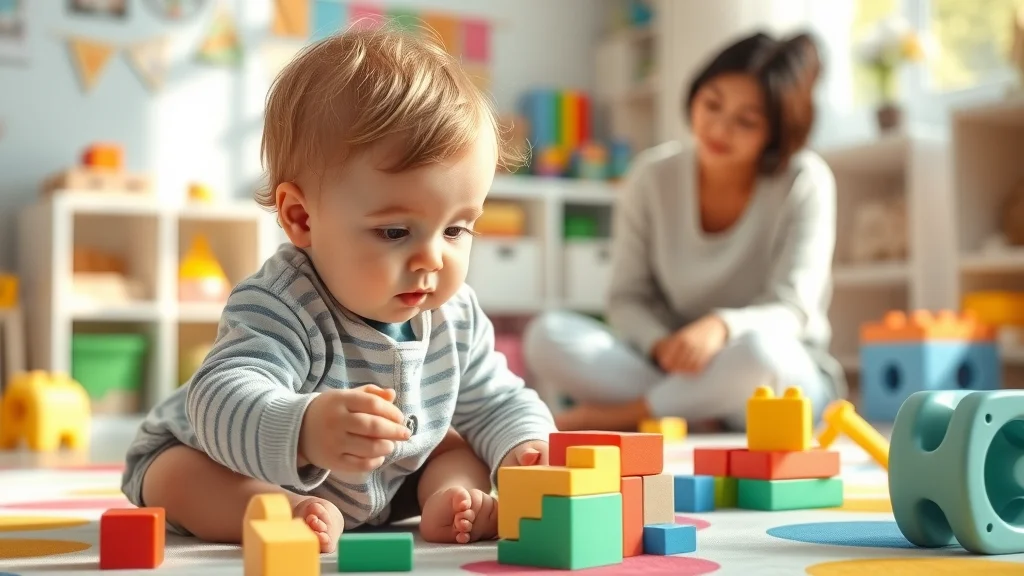
Social Skills and Behavioral Patterns
Social skills, such as cooperation, empathy, and conflict resolution, are shaped in the home through daily interactions and boundaries set by parents. Children from authoritative parents are most likely to develop strong social skills—they learn negotiation, active listening, and assertiveness. In contrast, the rigidness of authoritarian parents may foster obedience but can hinder open communication and the ability to handle compromise or disappointment. Permissive parents may produce children who excel at expressing themselves, yet sometimes struggle to respect rules or authority. Children of uninvolved parents might find it challenging to trust others or build lasting friendships, often as a result of unmet emotional needs. Ultimately, the impact of parenting styles explained reaches beyond childhood, laying the foundation for how kids navigate school, work, and personal relationships.
Emerging and Modern Approaches: Types of Parenting Styles in Today’s World
As society evolves, so too do types of parenting styles. In addition to the classic four, newer trends have emerged that respond to cultural change, technological advances, and increased knowledge about child and brain development. Two notable examples are attachment parenting and the so-called tiger mom parenting style. These approaches are often debated, with passionate advocates and critics alike. Understanding their philosophy and practical impact can help you make sense of posts, books, and advice circulating in today’s fast-paced world. No single type of parenting works for everyone, but knowing your options is the first step toward making wise, confident choices.
Attachment Parenting and Gentle Parenting
Attachment parenting and gentle parenting place heavy emphasis on emotional connection, empathy, and respect for the child’s voice. In these styles, physical closeness (like babywearing or co-sleeping), responsive caregiving, and positive discipline are prioritized. Proponents suggest that fostering secure attachment early in life leads to greater confidence and stronger mental health down the road. While research supports the idea that stable, connected relationships form the basis for healthy development, critics caution against neglecting parental self-care or boundaries. Practicing a gentle or attachment style requires intention—balancing a child’s need for security with age-appropriate expectations for independence.
Tiger Mom Parenting Style Explained
The term “tiger mom parenting style” became widely known through Amy Chua’s book, “Battle Hymn of the Tiger Mother.” This approach is characterized by high expectations, strict discipline, and a relentless focus on achievement, especially in academics and extracurricular activities. While similar to the authoritarian parenting style in its demands, tiger mom parenting is typically motivated by the belief that children thrive when pushed to reach their full potential. Detractors argue that the pressure can impact mental health and hinder creativity, but advocates note that it can lead to perseverance, academic success, and a strong work ethic. Like other types of parenting, this style’s effectiveness depends on a child’s individual temperament, family culture, and the broader support system.
“No single parenting style fits every family or every child.”

What are the 4 Types of Parenting Styles?
The classic four main parenting styles boil down to authoritative, authoritarian, permissive, and neglectful (uninvolved) parenting. Each has unique traits and brings its own set of strengths and challenges. These categories act as a helpful framework—but remember, most families blend elements from each, evolving as children grow and circumstances change. Understanding the fundamentals will help any parent better navigate daily choices, big and small.
The Four Main Parenting Styles: Authoritative, Authoritarian, Permissive, Neglectful
- Authoritative parenting: Balances warmth and structure, supporting children’s independence within clear limits. Research consistently finds positive outcomes in confidence, achievement, and social skills.
- Authoritarian parenting: Focuses on strict discipline and obedience, sometimes at the expense of emotional closeness. May lead to respect for authority but also to lower self-esteem and creativity.
- Permissive parenting: Offers unconditional love and open communication but lacks boundaries or rules. Encourages expression, but may hinder discipline and screen time management.
- Neglectful (Uninvolved) parenting: Offers little support or guidance, often resulting in adverse effects on mental and emotional health, and struggles with healthy relationships.
Detailed Answers: How Each Parenting Style is Applied
- Authoritative parents regularly discuss expectations and consequences with their children, but also ask for their input and respect their feelings.
- Authoritarian parents establish rules with the expectation of complete adherence, often using consequences rather than dialogue.
- Permissive parents seldom enforce rules, prioritizing their child’s happiness and self-expression, sometimes at the cost of structure.
- Uninvolved parents may be physically present but emotionally distant, rarely participating in the child’s activities or decision-making.
What is the 7 7 7 Rule Parenting?
Although not as widely researched as other terms, the 7 7 7 Rule parenting concept has gained popularity in recent years. This rule often refers to breaking time into intervals—such as seven minutes of focused attention or activities—which serve as prompts to regularly connect and set boundaries. The core idea is to create structured opportunities for engagement in manageable chunks throughout the day, supporting routines and healthy habits. By intentionally incorporating pockets of play, discussion, or discipline, parents can foster connection and manage screen time or other challenging routines more effectively. While not a one-size-fits-all solution, the 7 7 7 Rule can add helpful rhythm to a parenting style grounded in consistency and responsiveness.
Meaning and Implementation of the 7 7 7 Rule in Parenting Styles Explained
Parents adopting the 7 7 7 Rule are encouraged to:
- Dedicate at least seven minutes for intentional, distraction-free connection (e.g., play, read, talk)
- Set aside another seven minutes for structured routines (e.g., chores or learning activities)
- Bookend the day with seven minutes of winding down (e.g., bedtime talk, gratitude practice)
What Are the 7 C's of Parenting?
Another framework gaining traction alongside parenting styles explained is the 7 C’s of parenting. These principles—confidence, competence, connection, character, contribution, coping, and control—are meant to guide parents in nurturing their children’s holistic development.
Exploring the 7 C's and Their Role in Parenting Styles Explained
Integrating the 7 C's into your parenting style means paying attention to how you:
- Confidence: Encourage your child to believe in themselves through positive reinforcement.
- Competence: Teach essential life skills and model problem-solving.
- Connection: Build strong, trusting relationships through open communication.
- Character: Instill a sense of right and wrong and demonstrate integrity.
- Contribution: Foster opportunities for your child to help others and participate in community.
- Coping: Teach strategies for managing emotions, stress, and setbacks.
- Control: Help your child understand consequences, self-discipline, and making choices.
What is the Tiger Mom Parenting Style?
The tiger mom parenting style is a term that has sparked much debate in parenting circles, especially among Asian-American families and those emphasizing academic rigor. This approach blends aspects of authoritarian parenting—with its focus on high expectations and structured routines—with cultural traditions that prioritize collective pride, hard work, and family honor.
Overview and Impact of Tiger Mom Parenting Style
Tiger moms typically structure daily life around lessons, homework, and achievements, urging their children to excel both in school and extracurricular activities like music or sports. While the results in terms of academic performance can be impressive, researchers caution that pressure without emotional support may contribute to mental health challenges, reduced autonomy, and friction within the family. The effectiveness of this type of parenting is influenced by the child’s temperament, parental warmth, and cultural support systems. Ultimately, the best outcomes arise when high expectations are paired with empathy and open communication, proving again that no single parenting style fits every family.
[Video unavailable in text format]
Lists: Main Parenting Styles Explained at a Glance
- Authoritative parenting
- Authoritarian parenting
- Permissive parenting
- Neglectful parenting
- Uninvolved parenting
- Attachment parenting
- Tiger mom parenting
FAQs about Parenting Styles Explained
-
Which parenting style is most effective?
Most research suggests that authoritative parenting produces the best outcomes in terms of academic achievement, resilience, and mental health. However, the “best” approach varies based on the individual child, family dynamics, and cultural background. Blending elements of different parenting styles explained to fit your unique situation is usually the most effective path. -
Can parenting styles change over time?
Absolutely. Parents’ experiences, new research, evolving family needs, and children’s personalities can all prompt changes in style. Many parents adjust their approach as kids grow or in response to what works best for their family at a given time. -
How do culture and background affect parenting styles?
Culture and background influence values, traditions, expectations, and communication styles within families. Parenting styles are often shaped by these factors—what’s deemed “strict” or “nurturing” in one culture may differ in another. Recognizing these influences can help families adapt advice to fit their individual needs and honor their heritage.

Key Takeaways: Parenting Styles Explained
- Parenting styles shape lifelong behaviors and relationships
- No style is universally best; adaptability is crucial
- Understanding and reflecting on your parenting style can benefit both you and your child
Make Informed Choices for Your Family – Discover More About Parenting Styles Explained
Knowledge of parenting styles explained is just the beginning—every family and child is unique. Reflect, investigate further, and keep learning to shape a nurturing and effective approach for your home.
If you’re inspired to continue your parenting journey with even more confidence, consider exploring how positive discipline can transform your family dynamic. By understanding why traditional punishment often falls short and how positive parenting strategies can foster cooperation and respect, you’ll gain practical tools to support your child’s growth. Delve into the science and actionable tips in this comprehensive guide to positive parenting. It’s a valuable next step for parents seeking to nurture resilience, connection, and lifelong well-being in their children.


Write A Comment