• Home
  • Categories
    • Parenting Basics & Family
    • Child Development
    • Behavior & Discipline
    • Education Support
    • Health, Safety & Wellness
    • Parent Self-Care
    • Online & Social Media
    • Special Challenges
Raising Kids Well!
Solutions for Everyday Parenting
Tips and Guidance for Raising Confident, Happy Kids
August 22.2026
4 Minutes Read

Why Travel & Experiences Are Essential for Our Kids' Growth

Vibrant rock formations under a clear sky, travel and experiences for kids.

Travel as a Gateway to Cultivating Curiosity in Kids

In today’s fast-paced, often anxiety-ridden world, the significance of travel has never been more amplified, especially for our children. The act of exploring beyond familiar terrains not only provides exciting memories but cultivates essential life skills like curiosity, confidence, and compassion. Each family adventure offers your children a new lens through which they can view the world, connecting them to broader cultural narratives and fostering empathy. Through travel, kids learn to appreciate differences and similarities, enriching their understanding of humanity in diverse contexts.

Creating Memories Beyond Borders

Nothing underscores the value of travel quite like witnessing your child making memories. A family trip to Panama served as a transformative moment for one mother, as she observed her son embracing the beauty surrounding him, capturing picturesque moments on his phone and finding joy in simple wonders. This connection isn’t just about beautiful views; it also nurtures a deeper appreciation for the diversity and intricacies of other cultures, expanding their worldviews. Such moments reinforce the idea that travel is not merely about the destination, but about the journey and experiences that come with it, further enhancing personal growth.

The Importance of Local Experiences

But travel doesn’t always have to mean hopping on a plane. Families can engage in local cultural experiences that broaden their children's perspectives. In cities like Pittsburgh, an array of international festivals, dual-language storytimes, and rich cultural institutions present opportunities for exploring global histories and traditions without steep travel costs. For example, community events celebrate various cultures through food, music, and storytelling, allowing children to taste different cuisines and learn about new customs right in their backyard. These experiences foster an inclusive mindset that recognizes and values differences among people.

Why Every Parent Should Consider Traveling, Even Nearby

Traveling—whether to international destinations or neighboring towns—can offer profound benefits. It serves to remind children of the beauty in diversity, helping debunk myths and educate them about our world. Travel experiences allow discussions around tolerance, respect, and shared humanity, essential foundations for creating responsible citizens. When children see firsthand the lifestyles, traditions, and environments of different communities, they begin to form a more nuanced understanding of global issues and interpersonal relationships, making them better equipped to handle challenges they may encounter in an increasingly interconnected world.

Finding Opportunities at Home during Challenging Times

Parents might feel the weight of financial burdens, especially during uncertain times, but cultivating these experiences doesn’t always necessitate extravagant spending. Embracing the cultural activities available locally can be incredibly enriching. Visiting nearby museums, attending cultural events, or simply exploring local parks can create a fulfilling learning atmosphere. Many local libraries host free multicultural events and workshops, providing accessible ways for children to engage with different cultures through literature and art. Even a day trip to a nearby town can serve as an adventure, allowing families to discover local heritage and stories.

Building Bridges Through Understanding

Ultimately, travel is about exploration, not just of new places, but of perspectives. Each field trip to a different culture can act as a bridge, bringing together the understanding of diverse lifestyles. As the world continues to evolve and increasingly showcase narratives of division and conflict, grounding our children in experiences prioritizing connection and understanding has never been more crucial. By exposing children to a range of cultural experiences, we help them build empathy and develop their own identities within a global context. This broader perspective is invaluable as they learn to navigate a world shaped by diverse voices and experiences.

Adventures Await: Making Travel More Accessible

Travel can feel daunting, especially when considering the logistics and expenses involved. However, parents can seek out affordable travel options. Organizing group trips with other families can reduce individual costs through shared accommodations and transportation. Additionally, numerous scholarship opportunities and travel grants are available for families to help ease financial burdens related to educational travel. In many cases, even short weekend getaways can provide families with new experiences and valuable lessons. Consider camping in a state park or exploring a nearby historical site—these adventures can broaden perspectives just as vastly as international travel.

Conclusion: Value the Journey, Not Just the Destination

As parents, it’s vital to encourage the spirit of discovery that travel inspires. Encourage your children to explore, ask questions, and connect with the world. Travel creates a treasure trove of memories that not only enrich lives but shape compassionate individuals equipped to navigate the complexities of modern society. By instilling an appreciation for both local and global experiences, parents can help their children understand the world not merely as a place they inhabit but as a vibrant tapestry of cultures, histories, and stories waiting to be explored. Remember, every adventure is an opportunity to grow closer as a family while fostering understanding and respect for the world around us.


Parenting Basics & Family

Write A Comment

*
*
Please complete the captcha to submit your comment.
Related Posts All Posts

Unraveling ADHD Perfectionism in Children: Essential Insights for Parents

Update Understanding ADHD and Perfectionism: The Hidden Struggle Many parents may notice that their gifted children with ADHD often seem to wrestle with perfectionism – a complex interplay that makes tasks like homework feel insurmountable. Children with ADHD possess remarkable intelligence and creativity, but this can amplify their anxieties related to perfectionism, which may seem puzzling at first. As Dr. Lucy Russell, a Clinical Psychologist, notes, these children can vividly visualize their ideal outcomes but face significant hurdles in achieving them. The disconnect between their expectations and reality can lead to emotional turmoil. The Emotional Rollercoaster of Perfectionism Research indicates that emotional reactivity is significantly heightened in children with ADHD, making them more sensitive to the effects of mistakes. A comprehensive review highlighted that ADHD children are more susceptible to outbursts from small errors. This heightened sensitivity can manifest as frustration or tears when the reality of their work does not align with mental images they crafted, creating a cycle of stress and avoidance. What Does ADHD Perfectionism Look Like? Recognizing the signs of perfectionism stemming from ADHD in children can be crucial for parents and educators. A child may refuse to start a task until they feel they know exactly how to execute it, as uncertainty creates discomfort. They might repeatedly erase and rewrite the same sentence, unable to accept even minor flaws. Alternatively, some children may resort to tearing up their work over a missed detail, thinking that it’s an escape from frustration. If your child expresses feelings of inadequacy or gets upset when they receive praise for work that doesn’t meet their personal expectations, this could signal underlying perfectionism. Identifying Challenges: Is It ADHD or Just Perfectionism? The challenge lies in distinguishing between traits shared by perfectionism and the symptoms of ADHD. For instance, many children face challenges in executive functioning—the skills that allow them to plan and complete tasks. In these scenarios, children may set unattainably high standards to avoid the discomfort associated with perceived failure. As a parent, understanding that perfectionism is not a formal symptom of ADHD is key; however, recognizing it alongside ADHD can provide insight into your child’s behavior. Ben's Story: A Case Study in ADHD and Perfectionism Take Ben, a fictional representation of many children dealing with these issues. At age 10, he finds himself fixated on telling a grand story about a dragon and a lost kingdom but struggles to put pen to paper. After writing just three pages, disappointment washes over him as he realizes his manuscript doesn't match the vision in his head. We can learn a powerful lesson from Ben’s journey, highlighting how unrecognized expectations hinder children’s creativity and their ability to complete projects they are passionate about. How Can Parents Help Break the Cycle? Parents can play a pivotal role in promoting a healthier attitude toward perfectionism in children with ADHD. One crucial method is fostering a growth mindset—encouraging your child to view mistakes as learning opportunities rather than failures. Open discussions about feelings can help children express their frustrations in a supportive environment. Parents should also celebrate small victories and effort over outcome, reinforcing positive behavior that encourages resilience and adaptability. The Importance of Compassion and Understanding As the journey unfolds for children grappling with ADHD and perfectionism, it’s essential for parents to remain patient and empathetic. Validating their feelings while gently encouraging them to set more realistic goals can bridge the gap between their high aspirations and actual progress. Engaging with their emotions can foster resilience and help children navigate their internal struggles. Managing Expectations: Tools and Resources for Parents To help manage the challenges associated with ADHD perfectionism, there are numerous resources available. Cognitive-behavioral therapy (CBT) can be a highly effective tool, equipping children with strategies to challenge negative thoughts and beliefs about mistakes. Additionally, finding supportive communities or groups can connect parents with others in similar situations, fostering a sense of belonging and shared experience. Embracing the Journey In conclusion, understanding ADHD and its intersection with perfectionism is crucial for effectively supporting your child. Embrace the imperfect journey as a part of growth, and remember that each effort—no matter the outcome—is a stepping stone toward their eventual success. Together, we can nurture resilient children who thrive beyond the pressures of perfectionism. For parents facing these challenges, recognizing that they're not alone can instigate powerful changes in how we approach our children's educational experiences. Consider joining support groups to connect with other parents or professionals who can offer insights tailored specifically to raising children with ADHD.

Understanding Your Autistic Child's Staring: Insights for Parents

Update Understanding Autism and the Behavior of Staring As a parent, it is natural to be concerned when your autistic child stares into space or focuses intently on certain objects, such as lights or spinning things. Many parents find themselves worrying about the implications of this behavior. However, it’s crucial to understand what these actions might mean for your child and how they fit into the broader spectrum of autism. Recognizing that staring is often an ordinary part of the autistic experience can help normalize it and reduce anxiety surrounding these behaviors. What Does Staring Indicate About My Child's Thinking? When your autistic child seems to switch off in the middle of a conversation or gazes blankly at nothing, it is often their way of processing information. Unlike neurotypical children, autistic individuals may require more time to absorb what is being communicated. This behavior is not necessarily alarming; rather, it can signify that they are handling a considerable cognitive load. Staring can serve as a coping mechanism, allowing them to regain focus without the added pressure of maintaining eye contact, which can be overwhelming. It’s also important to consider the context in which the staring occurs. For instance, during moments of stress or through heightened sensory input—like loud noises or crowded places—your child may retreat into this calming behavior. Understanding this can provide you with insights into their emotional landscape, making it easier to support them effectively when these moments arise. Falling into a Visual World: Staring at Lights and Patterns If you notice your child drawn to the mesmerizing patterns of a spinning washing machine or the flicker of lights, you are not alone. For many autistic children, this behavior, known as visual stimming, provides both comfort and engagement. The predictability of these visual stimuli makes them appealing, serving as a form of self-soothing. Engaging with these patterns can help them feel calm and focused in a world that might often feel chaotic. Embracing and allowing this natural curiosity can foster a sense of safety for your children. These behaviors are not just idle distractions but can be essential in helping your child regulate their emotions. Encourage these stimming actions by establishing a safe area in your home where they can engage in them freely. This might include spaces with safe objects, such as light projectors or even simple things like fidget toys that can serve as alternatives based on their interests. Social Connections: Why Some Children Stare at Others At times, an autistic child may fixate on another person, studying their facial expressions and movements. This can be an exploration of social cues rather than an inappropriate stare. The tendency to gaze at others may reflect your child’s interest in understanding human behavior. However, they often do not realize that prolonged staring can make others uncomfortable. Teaching your child that social interactions come with implicit rules—like not staring too long—can help them navigate social contexts more comfortably. To assist your child in developing social awareness without stifling their curiosity, role-playing can be an effective technique. Engage in games that focus on recognizing emotions or practicing appropriate social distance. Helping them learn how to read social situations can enhance their confidence in interacting with their peers and adults alike. When Staring Becomes a Concern: Identifying Medical Issues Most of the time, staring spells in autistic children are benign, stemming from processing overload or sensory experiences. However, it is vital to recognize when it might indicate a medical issue, such as absence seizures. These episodes can manifest as brief moments of unresponsiveness, lasting anywhere from 10 to 30 seconds. Characteristics include a vacant stare, possible eyelid fluttering, and a lack of confusion afterward. If you suspect your child’s staring might fit this pattern, seeking advice from a healthcare professional is essential. A comprehensive understanding of the difference between typical autistic behaviors and potential medical conditions can put your mind at ease. Keeping a log of when these staring episodes occur may help your healthcare provider in diagnosing any issues. For instance, noting whether they tend to happen during specific situations or times of day can provide critical insights. Promoting Positive Outcomes: Creating Understanding and Support Understanding your child's behaviors can help you support their emotional and cognitive needs effectively. Teaching them coping strategies for sensory overload can empower your child. Whether through breaks in a quiet area or using weighted blankets, these tools can offer relief. Additionally, engaging in conversations about their experiences with light and sensory activities can help them articulate their feelings and sensations better. Regular check-ins can also normalize their feelings, allowing your child to express any emotional or sensory challenges they face without fear of judgment. Encouraging Acceptance and Open Conversations As parents, fostering an environment where your child feels safe to express themselves is crucial. Normalize discussions about sensory experiences and allow your child to voice their observations without the fear of judgment. Create space for conversations about their interests, whether it’s spinning wheels or watching lights, as they can provide valuable insights into their emotional world. Hosting family discussions about each other's feelings and sensory likes or dislikes can also build a strong family bond, reinforcing your child’s sense of belonging and acceptance. These conversations can help all family members understand and appreciate each other's unique perspectives. The Importance of Parent Self-Care Don’t forget that taking care of your own emotional well-being is just as important. Navigating the challenges of parenting an autistic child can be overwhelming; thus, make time for self-care activities. Whether it’s engaging in hobbies, connecting with support groups, or even practicing mindfulness, prioritizing your own mental health enhances your capacity to support your child. By ensuring that you are emotionally equipped, you are better prepared to tackle the challenges parenting presents. Balance is key, as it enables you to be a consistent and reassuring presence for your child—the most crucial aspect of their social-emotional development. Conclusion: Embracing the Unique Journey of Autism Understanding why your autistic child stares can alleviate concerns and promote healthier engagement with their world. By embracing their unique perspectives and characteristics, you foster a nurturing environment conducive to growth and learning. If you're uncertain about any behaviors you observe, don't hesitate to consult with medical professionals to advocate for your child's health and well-being. Take action today by educating yourself about autism, connecting with fellow parents, or seeking professional guidance to ensure that you and your child thrive together on this unique journey. Remember, every child is different, and celebrating those differences can lead to a more enriched family life.

Delicious Holiday-Themed Apps to Impress Your Guests

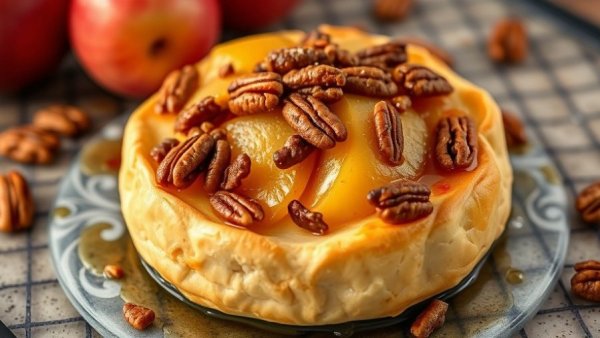
Update The Perfect Holiday Gatherings Start With Delicious Apps The holiday season brings the joy of togetherness, and what better way to celebrate than with festive and appetizing dishes that delight the senses? As gatherings fill the calendar with parties, potlucks, cookie exchanges, and family get-togethers, the eternal question arises: What should I bring? While it's tempting to pick up a quick snack from the store, impressing friends and family with your own culinary efforts can elevate these cherished occasions, making them even more memorable. Why Your Appetizer Choice Matters The right appetizer not only impresses guests but also creates a welcoming atmosphere. It sparks conversation and helps guests connect over a shared love for good food. A balanced selection of appetizers can also cater to different dietary preferences, ensuring inclusivity. By opting for dishes that are both appealing and easy to prepare, you show thoughtfulness and care for your fellow revelers. Moreover, a well-chosen appetizer can ignite laughter, share stories, and enhance the festive spirit, transforming casual gatherings into cherished celebrations. Seven Easy-to-Make Holiday Apps That Wow Here’s a list of seven delightful appetizers that are guaranteed to make your next holiday gathering a hit, all while keeping your preparation time to a minimum: 1. Asparagus and Gruyere Tart A deliciously simple yet sophisticated choice, this tart brings together fresh asparagus and Gruyere cheese wrapped in flaky pastry. It’s not only visually pleasing but also rich in flavor, making it a solid addition to any holiday buffet. Best of all, the tart can easily be made the day before, allowing you to focus on other party preparations without feeling rushed. 2. Sausage Stuffing Bites With Cranberry Dipping Sauce Utilize holiday leftovers effectively with these savory bites that blend Italian sausage, hearty stuffing, and a touch of cranberries for sweetness. These little morsels pack a punch and are sure to impress when paired with the tart cranberry dipping sauce. They speak to the essence of the holiday spirit, blending nostalgia with innovation, ensuring guests feel warm and welcomed as they indulge in these tasty delights. 3. Savory Palmiers For a finger food that looks gourmet without the fuss, consider savory palmiers. Filled with cheese and pepperoni, these crispy delights are easy to pop into your mouth while mingling and enjoying holiday cheer. The best part? You can prepare them in advance, refrigerate, and then simply bake before the event. These little treats not only satisfy hunger but also provide an impressive presentation for your guests. 4. Whipped Ricotta With Honey & Truffle Transform into the culinary star of the night with minimal effort using whipped ricotta topped with honey and truffle oil. This dish takes only minutes to prepare but delivers a gorgeous presentation that leaves guests wanting more. Pair it with fresh bread or crackers, and you’ll provide options for both the sophisticated palate and those who enjoy classic flavors. 5. Cranberry Brie Bites What says holiday spirit more than cranberry and brie? These individual bites eliminate the mess of cutting a cheese wheel while still capturing that rich, cheesy goodness with a touch of tartness. They’re perfect for mingling, as guests can simply pop one in their mouths without fuss. Plus, the festive colors evoke the beauty of the season, adding visual appeal to your table. 6. Fried Pickle Latkes With Everything Bagel Ranch Add a playful twist to your spread with crispy fried pickle latkes served alongside a ranch dip infused with everything bagel seasoning. This appetizer features an exciting fusion of flavors that will appeal to all ages. They’re a conversation starter on their own, sparking interest and laughter while pleasing the taste buds of both children and adults alike. 7. Brie En Croute With Apples & Pecans This warm and gooey delight, covered in a flaky crust, is filled with a luxurious mixture of sautéed apples and pecans. It’s not only eye-catching but is sure to draw guests into the kitchen for a closer look and more importantly, a taste. It’s a crowd-pleaser that’s both comforting and elegant. This dish also shines in its ability to be made ahead of time, allowing you to relax during your holiday festivities and enjoy the company of your guests. Making the Most of Your Holiday Spread When planning your holiday spread, remember to present your appetizers in an inviting way. Use platters or tiered stands to create visual interest and ensure easy access. A beautiful arrangement can enhance the overall aesthetic of your gathering, making your food not just delicious but also a feast for the eyes. Additionally, keeping dietary restrictions in mind shows guests that you care—offer a variety of options, including vegetarian, vegan, and gluten-free choices. This level of consideration will be appreciated and create a more inclusive atmosphere that everyone can enjoy. Fostering Conversations and Connections Food has a unique power to bring people together, making the gathering an essential element of the holiday season. Your choice of appetizers can significantly enhance the warmth and enjoyment of the occasion. Encourage conversation around the flavors and stories behind your dishes, making each gathering memorable. Perhaps share your inspiration for each appetizer or ask guests to share their favorites—this will enrich the experience and create bonds among friends and family. Inspiration for Future Gatherings As we gear up for festive occasions, remember that the key to lasting memories lies in the details. The taste, aesthetics, and thoughtfulness you bring to your appetizers will resonate with your guests, creating moments cherished long after the party ends. Get creative, experiment with flavors, and enjoy the process of bringing people together through food. The next time you face that question of what to bring, reflect on these ideas and let your culinary creativity shine!

© 2026 PIP Consulting, LLC All Rights Reserved. 3773 Howard Hughes Parkway South Tower, Suite 500, Las Vegas, NV 89169-6014 . Contact Us . Terms of Service . Privacy Policy

eyJjb21wYW55IjoiUElQIENvbnN1bHRpbmcsIExMQyIsImFkZHJlc3MiOiIzNzczIEhvd2FyZCBIdWdoZXMgUGFya3dheSBTb3V0aCBUb3dlciwgU3VpdGUgNTAwIiwiY2l0eSI6IkxhcyBWZWdhcyIsInN0YXRlIjoiTlYiLCJ6aXAiOiI4OTE2OS02MDE0IiwiZW1haWwiOiJpbmZvQGVuZXJnaXpleW91cm1hcmtldGluZy5jb20iLCJ0b3MiOiJQSEErUEhOMGNtOXVaejQ4WlcwK1YyaGxiaUI1YjNVZ2MybG5iaTFwYmlCM2FYUm9JSFZ6TENCNWIzVWdZWEpsSUdkcGRtbHVaeVp1WW5Od095QjViM1Z5SUhCbGNtMXBjM05wYjI0Z1lXNWtJR052Ym5ObGJuUWdkRzhnYzJWdVpDQjViM1VnWlcxaGFXd2dZVzVrTDI5eUlGTk5VeUIwWlhoMElHMWxjM05oWjJWekxpQkNlU0JqYUdWamEybHVaeUIwYUdVZ1ZHVnliWE1nWVc1a0lFTnZibVJwZEdsdmJuTWdZbTk0SUdGdVpDQmllU0J6YVdkdWFXNW5JR2x1SUhsdmRTQmhkWFJ2YldGMGFXTmhiR3g1SUdOdmJtWnBjbTBnZEdoaGRDQjViM1VnWVdOalpYQjBJR0ZzYkNCMFpYSnRjeUJwYmlCMGFHbHpJR0ZuY21WbGJXVnVkQzQ4TDJWdFBqd3ZjM1J5YjI1blBqd3ZjRDRLQ2p4d1BqeGhJR2h5WldZOUltaDBkSEE2THk5M2QzY3VaMjl2WjJ4bExtTnZiU0krYUhSMGNEb3ZMM2QzZHk1bmIyOW5iR1V1WTI5dFBDOWhQand2Y0Q0S0NqeHdQaVp1WW5Od096d3ZjRDRLQ2p4d1BqeHpkSEp2Ym1jK1UwVlNWa2xEUlR3dmMzUnliMjVuUGp3dmNENEtDanh3UGxkbElIQnliM1pwWkdVZ1lTQnpaWEoyYVdObElIUm9ZWFFnWTNWeWNtVnVkR3g1SUdGc2JHOTNjeUI1YjNVZ2RHOGdjbVZqWldsMlpTQnlaWEYxWlhOMGN5Qm1iM0lnWm1WbFpHSmhZMnNzSUdOdmJYQmhibmtnYVc1bWIzSnRZWFJwYjI0c0lIQnliMjF2ZEdsdmJtRnNJR2x1Wm05eWJXRjBhVzl1TENCamIyMXdZVzU1SUdGc1pYSjBjeXdnWTI5MWNHOXVjeXdnWkdselkyOTFiblJ6SUdGdVpDQnZkR2hsY2lCdWIzUnBabWxqWVhScGIyNXpJSFJ2SUhsdmRYSWdaVzFoYVd3Z1lXUmtjbVZ6Y3lCaGJtUXZiM0lnWTJWc2JIVnNZWElnY0dodmJtVWdiM0lnWkdWMmFXTmxMaUJaYjNVZ2RXNWtaWEp6ZEdGdVpDQmhibVFnWVdkeVpXVWdkR2hoZENCMGFHVWdVMlZ5ZG1salpTQnBjeUJ3Y205MmFXUmxaQ0FtY1hWdmREdEJVeTFKVXlaeGRXOTBPeUJoYm1RZ2RHaGhkQ0IzWlNCaGMzTjFiV1VnYm04Z2NtVnpjRzl1YzJsaWFXeHBkSGtnWm05eUlIUm9aU0IwYVcxbGJHbHVaWE56TENCa1pXeGxkR2x2Yml3Z2JXbHpMV1JsYkdsMlpYSjVJRzl5SUdaaGFXeDFjbVVnZEc4Z2MzUnZjbVVnWVc1NUlIVnpaWElnWTI5dGJYVnVhV05oZEdsdmJuTWdiM0lnY0dWeWMyOXVZV3hwZW1GMGFXOXVJSE5sZEhScGJtZHpMand2Y0Q0S0NqeHdQbGx2ZFNCaGNtVWdjbVZ6Y0c5dWMybGliR1VnWm05eUlHOWlkR0ZwYm1sdVp5QmhZMk5sYzNNZ2RHOGdkR2hsSUZObGNuWnBZMlVnWVc1a0lIUm9ZWFFnWVdOalpYTnpJRzFoZVNCcGJuWnZiSFpsSUhSb2FYSmtJSEJoY25SNUlHWmxaWE1nS0hOMVkyZ2dZWE1nVTAxVElIUmxlSFFnYldWemMyRm5aWE1zSUVsdWRHVnlibVYwSUhObGNuWnBZMlVnY0hKdmRtbGtaWElnYjNJZ1kyVnNiSFZzWVhJZ1lXbHlkR2x0WlNCamFHRnlaMlZ6S1M0Z1dXOTFJR0Z5WlNCeVpYTndiMjV6YVdKc1pTQm1iM0lnZEdodmMyVWdabVZsY3l3Z2FXNWpiSFZrYVc1bklIUm9iM05sSUdabFpYTWdZWE56YjJOcFlYUmxaQ0IzYVhSb0lIUm9aU0JrYVhOd2JHRjVJRzl5SUdSbGJHbDJaWEo1SUc5bUlHVmhZMmdnVTAxVElIUmxlSFFnYldWemMyRm5aU0J6Wlc1MElIUnZJSGx2ZFNCaWVTQjFjeTRnU1c0Z1lXUmthWFJwYjI0c0lIbHZkU0J0ZFhOMElIQnliM1pwWkdVZ1lXNWtJR0Z5WlNCeVpYTndiMjV6YVdKc1pTQm1iM0lnWVd4c0lHVnhkV2x3YldWdWRDQnVaV05sYzNOaGNua2dkRzhnWVdOalpYTnpJSFJvWlNCVFpYSjJhV05sSUdGdVpDQnlaV05sYVhabElIUm9aU0JUVFZNZ2RHVjRkQ0J0WlhOellXZGxjeTRnVjJVZ1pHOGdibTkwSUdOb1lYSm5aU0JoYm5rZ1ptVmxjeUJtYjNJZ1pHVnNhWFpsY25rZ2IyWWdaVzFoYVd3Z2IzSWdVMDFUTGlCVWFHbHpJR2x6SUdFZ1puSmxaU0J6WlhKMmFXTmxJSEJ5YjNacFpHVmtJR0o1SUhWekxpQkliM2RsZG1WeUxDQndiR1ZoYzJVZ1kyaGxZMnNnZDJsMGFDQjViM1Z5SUdsdWRHVnlibVYwSUhObGNuWnBZMlVnY0hKdmRtbGtaWElnWVc1a0lHTmxiR3gxYkdGeUlHTmhjbkpwWlhJZ1ptOXlJR0Z1ZVNCamFHRnlaMlZ6SUhSb1lYUWdiV0Y1SUdsdVkzVnlJR0Z6SUdFZ2NtVnpkV3gwSUdaeWIyMGdjbVZqWldsMmFXNW5JR1Z0WVdsc0lHRnVaQ0JUVFZNZ2RHVjRkQ0J0WlhOellXZGxjeUIwYUdGMElIZGxJR1JsYkdsMlpYSWdkWEJ2YmlCNWIzVnlJRzl3ZEMxcGJpQmhibVFnY21WbmFYTjBjbUYwYVc5dUlIZHBkR2dnYjNWeUlHVnRZV2xzSUdGdVpDQlRUVk1nYzJWeWRtbGpaWE11SUZsdmRTQmpZVzRnWTJGdVkyVnNJR0YwSUdGdWVTQjBhVzFsTGlCS2RYTjBJSFJsZUhRZ0puRjFiM1E3VTFSUFVDWnhkVzkwT3lCMGJ5QThhR2xuYUd4cFoyaDBJR05zWVhOelBTSmpiMjF3WVc1NVVHaHZibVZWY0dSaGRHVWlQaXN4T0RRM09UazVORE0wTkR3dmFHbG5hR3hwWjJoMFBpNGdRV1owWlhJZ2VXOTFJSE5sYm1RZ2RHaGxJRk5OVXlCdFpYTnpZV2RsSUNaeGRXOTBPMU5VVDFBbWNYVnZkRHNnZEc4Z2RYTXNJSGRsSUhkcGJHd2djMlZ1WkNCNWIzVWdZVzRnVTAxVElHMWxjM05oWjJVZ2RHOGdZMjl1Wm1seWJTQjBhR0YwSUhsdmRTQm9ZWFpsSUdKbFpXNGdkVzV6ZFdKelkzSnBZbVZrTGlCQlpuUmxjaUIwYUdsekxDQjViM1VnZDJsc2JDQnVieUJzYjI1blpYSWdjbVZqWldsMlpTQlRUVk1nYldWemMyRm5aWE1nWm5KdmJTQjFjeTQ4TDNBK0NnbzhjRDQ4YzNSeWIyNW5QbGxQVlZJZ1VrVkhTVk5VVWtGVVNVOU9JRTlDVEVsSFFWUkpUMDVUUEM5emRISnZibWMrUEM5d1Bnb0tQSEErU1c0Z1kyOXVjMmxrWlhKaGRHbHZiaUJ2WmlCNWIzVnlJSFZ6WlNCdlppQjBhR1VnVTJWeWRtbGpaU3dnZVc5MUlHRm5jbVZsSUhSdk9qd3ZjRDRLQ2p4dmJENEtDVHhzYVQ1d2NtOTJhV1JsSUhSeWRXVXNJR0ZqWTNWeVlYUmxMQ0JqZFhKeVpXNTBJR0Z1WkNCamIyMXdiR1YwWlNCcGJtWnZjbTFoZEdsdmJpQmhZbTkxZENCNWIzVnljMlZzWmlCaGN5QndjbTl0Y0hSbFpDQmllU0IwYUdVZ1UyVnlkbWxqWlNZak16azdjeUJ5WldkcGMzUnlZWFJwYjI0Z1ptOXliU0FvYzNWamFDQnBibVp2Y20xaGRHbHZiaUJpWldsdVp5QjBhR1VnSm5GMWIzUTdVbVZuYVhOMGNtRjBhVzl1SUVSaGRHRW1jWFZ2ZERzcElHRnVaRHd2YkdrK0NnazhiR2srYldGcGJuUmhhVzRnWVc1a0lIQnliMjF3ZEd4NUlIVndaR0YwWlNCMGFHVWdVbVZuYVhOMGNtRjBhVzl1SUVSaGRHRWdkRzhnYTJWbGNDQnBkQ0IwY25WbExDQmhZMk4xY21GMFpTd2dZM1Z5Y21WdWRDQmhibVFnWTI5dGNHeGxkR1V1SUVsbUlIbHZkU0J3Y205MmFXUmxJR0Z1ZVNCcGJtWnZjbTFoZEdsdmJpQjBhR0YwSUdseklIVnVkSEoxWlN3Z2FXNWhZMk4xY21GMFpTd2dibTkwSUdOMWNuSmxiblFnYjNJZ2FXNWpiMjF3YkdWMFpTd2diM0lnZDJVZ2FHRjJaU0J5WldGemIyNWhZbXhsSUdkeWIzVnVaSE1nZEc4Z2MzVnpjR1ZqZENCMGFHRjBJSE4xWTJnZ2FXNW1iM0p0WVhScGIyNGdhWE1nZFc1MGNuVmxMQ0JwYm1GalkzVnlZWFJsTENCdWIzUWdZM1Z5Y21WdWRDQnZjaUJwYm1OdmJYQnNaWFJsTENCM1pTQm9ZWFpsSUhSb1pTQnlhV2RvZENCMGJ5QnpkWE53Wlc1a0lHOXlJRHh6ZEhKdmJtYytQSE53WVc0Z2MzUjViR1U5SW1OdmJHOXlPaU5HUmpBd01EQTdJajUwWlhKdGFXNWhkR1VnZVc5MWNpQmhZMk52ZFc1MEwzQnliMlpwYkdVZ1lXNWtJSEpsWm5WelpTQmhibmtnWVc1a0lHRnNiQ0JqZFhKeVpXNTBJRzl5SUdaMWRIVnlaU0IxYzJVZ2IyWWdkR2hsSUZObGNuWnBZMlVnS0c5eUlHRnVlU0J3YjNKMGFXOXVJSFJvWlhKbGIyWXBMand2YzNCaGJqNDhMM04wY205dVp6NDhMMnhwUGdvOEwyOXNQZ29LUEhBK0ptNWljM0E3UEM5d1BnbzhhR2xuYUd4cFoyaDBJR05zWVhOelBTSmpiMjF3WVc1NVRtRnRaVlZ3WkdGMFpTSStVRWxRSUVOdmJuTjFiSFJwYm1jc0lFeE1Rend2YUdsbmFHeHBaMmgwUGp4aWNpQXZQZ284YUdsbmFHeHBaMmgwSUdOc1lYTnpQU0pqYjIxd1lXNTVRV1JrY21WemMxVndaR0YwWlNJK016YzNNeUJJYjNkaGNtUWdTSFZuYUdWeklGQmhjbXQzWVhrZ1UyOTFkR2dnVkc5M1pYSXNJRk4xYVhSbElEVXdNQ3dnVEdGeklGWmxaMkZ6TENCT1ZpQTRPVEUyT1MwMk1ERTBQQzlvYVdkb2JHbG5hSFErUEdKeUlDOCtDanhvYVdkb2JHbG5hSFFnWTJ4aGMzTTlJbU52YlhCaGJubFFhRzl1WlZWd1pHRjBaU0krS3pFNE5EY3RPVGs1TFRRek5EUThMMmhwWjJoc2FXZG9kRDQ4WW5JZ0x6NEtQR2hwWjJoc2FXZG9kQ0JqYkdGemN6MGlZMjl0Y0dGdWVVVnRZV2xzVlhCa1lYUmxJajVwYm1adlFHVnVaWEpuYVhwbGVXOTFjbTFoY210bGRHbHVaeTVqYjIwOEwyaHBaMmhzYVdkb2REND0iLCJwcml2YWN5IjoiUEhBK1BITjBjbTl1Wno1UVVrbFdRVU5aUEM5emRISnZibWMrUEM5d1Bnb0tQSEErUEhOMGNtOXVaejVVYUdVZ2FXNW1iM0p0WVhScGIyNGdjSEp2ZG1sa1pXUWdaSFZ5YVc1bklIUm9hWE1nY21WbmFYTjBjbUYwYVc5dUlHbHpJR3RsY0hRZ2NISnBkbUYwWlNCaGJtUWdZMjl1Wm1sa1pXNTBhV0ZzTENCaGJtUWdkMmxzYkNCdVpYWmxjaUJpWlNCa2FYTjBjbWxpZFhSbFpDd2dZMjl3YVdWa0xDQnpiMnhrTENCMGNtRmtaV1FnYjNJZ2NHOXpkR1ZrSUdsdUlHRnVlU0IzWVhrc0lITm9ZWEJsSUc5eUlHWnZjbTB1SUZSb2FYTWdhWE1nYjNWeUlHZDFZWEpoYm5SbFpTNDhMM04wY205dVp6NDhMM0ErQ2dvOGNENDhjM1J5YjI1blBrbE9SRVZOVGtsVVdUd3ZjM1J5YjI1blBqd3ZjRDRLQ2p4d1BqeGxiVDVaYjNVZ1lXZHlaV1VnZEc4Z2FXNWtaVzF1YVdaNUlHRnVaQ0JvYjJ4a0lIVnpMQzRnWVc1a0lHbDBjeUJ6ZFdKemFXUnBZWEpwWlhNc0lHRm1abWxzYVdGMFpYTXNJRzltWm1salpYSnpMQ0JoWjJWdWRITXNJR052TFdKeVlXNWtaWEp6SUc5eUlHOTBhR1Z5SUhCaGNuUnVaWEp6TENCaGJtUWdaVzF3Ykc5NVpXVnpMQ0JvWVhKdGJHVnpjeUJtY205dElHRnVlU0JqYkdGcGJTQnZjaUJrWlcxaGJtUXNJR2x1WTJ4MVpHbHVaeUJ5WldGemIyNWhZbXhsSUdGMGRHOXlibVY1Y3lZak16azdJR1psWlhNc0lHMWhaR1VnWW5rZ1lXNTVJSFJvYVhKa0lIQmhjblI1SUdSMVpTQjBieUJ2Y2lCaGNtbHphVzVuSUc5MWRDQnZaaUJEYjI1MFpXNTBJSGx2ZFNCeVpXTmxhWFpsTENCemRXSnRhWFFzSUhKbGNHeDVMQ0J3YjNOMExDQjBjbUZ1YzIxcGRDQnZjaUJ0WVd0bElHRjJZV2xzWVdKc1pTQjBhSEp2ZFdkb0lIUm9aU0JUWlhKMmFXTmxMQ0I1YjNWeUlIVnpaU0J2WmlCMGFHVWdVMlZ5ZG1salpTd2dlVzkxY2lCamIyNXVaV04wYVc5dUlIUnZJSFJvWlNCVFpYSjJhV05sTENCNWIzVnlJSFpwYjJ4aGRHbHZiaUJ2WmlCMGFHVWdWRTlUTENCdmNpQjViM1Z5SUhacGIyeGhkR2x2YmlCdlppQmhibmtnY21sbmFIUnpJRzltSUdGdWIzUm9aWEl1UEM5bGJUNDhMM0ErQ2dvOGNENDhjM1J5YjI1blBrUkpVME5NUVVsTlJWSWdUMFlnVjBGU1VrRk9WRWxGVXp3dmMzUnliMjVuUGp3dmNENEtDanh3UGp4emRISnZibWMrV1U5VklFVllVRkpGVTFOTVdTQlZUa1JGVWxOVVFVNUVJRUZPUkNCQlIxSkZSU0JVU0VGVU9qd3ZjM1J5YjI1blBqd3ZjRDRLQ2p4dmJENEtDVHhzYVQ1WlQxVlNJRlZUUlNCUFJpQlVTRVVnVTBWU1ZrbERSU0JKVXlCQlZDQlpUMVZTSUZOUFRFVWdVa2xUU3k0Z1ZFaEZJRk5GVWxaSlEwVWdTVk1nVUZKUFZrbEVSVVFnVDA0Z1FVNGdKbkYxYjNRN1FWTWdTVk1tY1hWdmREc2dRVTVFSUNaeGRXOTBPMEZUSUVGV1FVbE1RVUpNUlNaeGRXOTBPeUJDUVZOSlV5NGdMQzRnUVU1RUlGVlRMQ0JKVkNZak16azdVeUJEVlZOVVQwMUZVbE1zSUVWWVVGSkZVMU5NV1NCRVNWTkRURUZKVFZNZ1FVeE1JRmRCVWxKQlRsUkpSVk1nVDBZZ1FVNVpJRXRKVGtRc0lGZElSVlJJUlZJZ1JWaFFVa1ZUVXlCUFVpQkpUVkJNU1VWRUxDQkpUa05NVlVSSlRrY3NJRUpWVkNCT1QxUWdURWxOU1ZSRlJDQlVUeUJVU0VVZ1NVMVFURWxGUkNCWFFWSlNRVTVVU1VWVElFOUdJRTFGVWtOSVFVNVVRVUpKVEVsVVdTd2dSa2xVVGtWVFV5QkdUMUlnUVNCUVFWSlVTVU5WVEVGU0lGQlZVbEJQVTBVZ1FVNUVJRTVQVGkxSlRrWlNTVTVIUlUxRlRsUXVQQzlzYVQ0S0NUeHNhVDVOUVV0RlV5Qk9UeUJYUVZKU1FVNVVXU0JVU0VGVUlDaHBLU0JVU0VVZ1UwVlNWa2xEUlNCWFNVeE1JRTFGUlZRZ1dVOVZVaUJTUlZGVlNWSkZUVVZPVkZNc0lDaHBhU2tnVkVoRklGTkZVbFpKUTBVZ1YwbE1UQ0JDUlNCVlRrbE9WRVZTVWxWUVZFVkVMQ0JVU1UxRlRGa3NJRk5GUTFWU1JTd2dUMUlnUlZKU1QxSXRSbEpGUlN3Z0tHbHBhU2tnVkVoRklGSkZVMVZNVkZNZ1ZFaEJWQ0JOUVZrZ1FrVWdUMEpVUVVsT1JVUWdSbEpQVFNCVVNFVWdWVk5GSUU5R0lGUklSU0JUUlZKV1NVTkZJRmRKVEV3Z1FrVWdRVU5EVlZKQlZFVWdUMUlnVWtWTVNVRkNURVVzSUVGT1JDQW9hWFlwSUVGT1dTQkZVbEpQVWxNZ1NVNGdWRWhGSUZOUFJsUlhRVkpGSUZkSlRFd2dRa1VnUTA5U1VrVkRWRVZFTGp3dmJHaytDZ2s4YkdrK1FVNVpJRTFCVkVWU1NVRk1JRVJQVjA1TVQwRkVSVVFnVDFJZ1QxUklSVkpYU1ZORklFOUNWRUZKVGtWRUlGUklVazlWUjBnZ1ZFaEZJRlZUUlNCUFJpQlVTRVVnVTBWU1ZrbERSU0JKVXlCRVQwNUZJRUZVSUZsUFZWSWdUMWRPSUVSSlUwTlNSVlJKVDA0Z1FVNUVJRkpKVTBzZ1FVNUVJRlJJUVZRZ1dVOVZJRmRKVEV3Z1FrVWdVMDlNUlV4WklGSkZVMUJQVGxOSlFreEZJRVpQVWlCQlRsa2dSRUZOUVVkRklGUlBJRmxQVlZJZ1EwOU5VRlZVUlZJZ1UxbFRWRVZOSUU5U0lFeFBVMU1nVDBZZ1JFRlVRU0JVU0VGVUlGSkZVMVZNVkZNZ1JsSlBUU0JVU0VVZ1JFOVhUa3hQUVVRZ1QwWWdRVTVaSUZOVlEwZ2dUVUZVUlZKSlFVd3VQQzlzYVQ0S0NUeHNhVDVPVHlCQlJGWkpRMFVnVDFJZ1NVNUdUMUpOUVZSSlQwNHNJRmRJUlZSSVJWSWdUMUpCVENCUFVpQlhVa2xVVkVWT0xDQlBRbFJCU1U1RlJDQkNXU0JaVDFVZ1JsSlBUU0JQVWlCVVNGSlBWVWRJSUU5U0lFWlNUMDBnVkVoRklGTkZVbFpKUTBVZ1UwaEJURXdnUTFKRlFWUkZJRUZPV1NCWFFWSlNRVTVVV1NCT1QxUWdSVmhRVWtWVFUweFpJRk5VUVZSRlJDQkpUaUJVU0VVZ1ZFOVRMand2YkdrK0Nqd3ZiMncrQ2dvOGNENDhjM1J5YjI1blBreEpUVWxVUVZSSlQwNGdUMFlnVEVsQlFrbE1TVlJaUEM5emRISnZibWMrUEM5d1Bnb0tQSEErV1U5VklFVllVRkpGVTFOTVdTQlZUa1JGVWxOVVFVNUVJRUZPUkNCQlIxSkZSU0JVU0VGVUlFRk9SQ0JUU0VGTVRDQk9UMVFnUWtVZ1RFbEJRa3hGSUVaUFVpQkJUbGtnUkVsU1JVTlVMQ0JKVGtSSlVrVkRWQ3dnU1U1RFNVUkZUbFJCVEN3Z1UxQkZRMGxCVEN3Z1EwOU9VMFZSVlVWT1ZFbEJUQ0JQVWlCRldFVk5VRXhCVWxrZ1JFRk5RVWRGVXl3Z1NVNURURlZFU1U1SElFSlZWQ0JPVDFRZ1RFbE5TVlJGUkNCVVR5d2dSRUZOUVVkRlV5QkdUMUlnVEU5VFV5QlBSaUJRVWs5R1NWUlRMQ0JIVDA5RVYwbE1UQ3dnVlZORkxDQkVRVlJCSUU5U0lFOVVTRVZTSUVsT1ZFRk9SMGxDVEVVZ1RFOVRVMFZUSUNoRlZrVk9JRWxHSUVoQlV5QkNSVVZPSUVGRVZrbFRSVVFnVDBZZ1ZFaEZJRkJQVTFOSlFrbE1TVlJaSUU5R0lGTlZRMGdnUkVGTlFVZEZVeWtzSUZKRlUxVk1WRWxPUnlCR1VrOU5Pand2Y0Q0S0NqeHZiRDRLQ1R4c2FUNVVTRVVnVlZORklFOVNJRlJJUlNCSlRrRkNTVXhKVkZrZ1ZFOGdWVk5GSUZSSVJTQlRSVkpXU1VORk96d3ZiR2srQ2drOGJHaytWRWhGSUVOUFUxUWdUMFlnVUZKUFExVlNSVTFGVGxRZ1QwWWdVMVZDVTFSSlZGVlVSU0JIVDA5RVV5QkJUa1FnVTBWU1ZrbERSVk1nVWtWVFZVeFVTVTVISUVaU1QwMGdRVTVaSUVkUFQwUlRMQ0JFUVZSQkxDQkpUa1pQVWsxQlZFbFBUaUJQVWlCVFJWSldTVU5GVXlCUVZWSkRTRUZUUlVRZ1QxSWdUMEpVUVVsT1JVUWdUMUlnVFVWVFUwRkhSVk1nVWtWRFJVbFdSVVFnVDFJZ1ZGSkJUbE5CUTFSSlQwNVRJRVZPVkVWU1JVUWdTVTVVVHlCVVNGSlBWVWRJSUU5U0lFWlNUMDBnVkVoRklGTkZVbFpKUTBVN1BDOXNhVDRLQ1R4c2FUNVZUa0ZWVkVoUFVrbGFSVVFnUVVORFJWTlRJRlJQSUU5U0lFRk1WRVZTUVZSSlQwNGdUMFlnV1U5VlVpQlVVa0ZPVTAxSlUxTkpUMDVUSUU5U0lFUkJWRUU3UEM5c2FUNEtDVHhzYVQ1VFZFRlVSVTFGVGxSVElFOVNJRU5QVGtSVlExUWdUMFlnUVU1WklGUklTVkpFSUZCQlVsUlpJRTlPSUZSSVJTQlRSVkpXU1VORk95QlBVand2YkdrK0NnazhiR2srUVU1WklFOVVTRVZTSUUxQlZGUkZVaUJTUlV4QlZFbE9SeUJVVHlCVVNFVWdVMFZTVmtsRFJTNDhMMnhwUGdvOEwyOXNQZ29LUEhBK1BIVStRbmtnY21WbmFYTjBaWEpwYm1jZ1lXNWtJSE4xWW5OamNtbGlhVzVuSUhSdklHOTFjaUJsYldGcGJDQmhibVFnVTAxVElITmxjblpwWTJVc0lHSjVJRzl3ZEMxcGJpd2diMjVzYVc1bElISmxaMmx6ZEhKaGRHbHZiaUJ2Y2lCaWVTQm1hV3hzYVc1bklHOTFkQ0JoSUdOaGNtUXNJQ1p4ZFc5ME8zbHZkU0JoWjNKbFpTQjBieUIwYUdWelpTQlVSVkpOVXlCUFJpQlRSVkpXU1VORkpuRjFiM1E3SUdGdVpDQjViM1VnWVdOcmJtOTNiR1ZrWjJVZ1lXNWtJSFZ1WkdWeWMzUmhibVFnZEdobElHRmliM1psSUhSbGNtMXpJRzltSUhObGNuWnBZMlVnYjNWMGJHbHVaV1FnWVc1a0lHUmxkR0ZwYkdWa0lHWnZjaUI1YjNVZ2RHOWtZWGt1UEM5MVBqd3ZjRDRLQ2p4d1BpWnVZbk53T3p3dmNENEtQR2hwWjJoc2FXZG9kQ0JqYkdGemN6MGlZMjl0Y0dGdWVVNWhiV1ZWY0dSaGRHVWlQbEJKVUNCRGIyNXpkV3gwYVc1bkxDQk1URU04TDJocFoyaHNhV2RvZEQ0OFluSWdMejRLUEdocFoyaHNhV2RvZENCamJHRnpjejBpWTI5dGNHRnVlVUZrWkhKbGMzTlZjR1JoZEdVaVBqTTNOek1nU0c5M1lYSmtJRWgxWjJobGN5QlFZWEpyZDJGNUlGTnZkWFJvSUZSdmQyVnlMQ0JUZFdsMFpTQTFNREFzSUV4aGN5QldaV2RoY3l3Z1RsWWdPRGt4TmprdE5qQXhORHd2YUdsbmFHeHBaMmgwUGp4aWNpQXZQZ284YUdsbmFHeHBaMmgwSUdOc1lYTnpQU0pqYjIxd1lXNTVVR2h2Ym1WVmNHUmhkR1VpUGlzeE9EUTNJRGs1T1NBME16UTBQQzlvYVdkb2JHbG5hSFErUEdKeUlDOCtDanhvYVdkb2JHbG5hSFFnWTJ4aGMzTTlJbU52YlhCaGJubEZiV0ZwYkZWd1pHRjBaU0krYVc1bWIwQmxibVZ5WjJsNlpYbHZkWEp0WVhKclpYUnBibWN1WTI5dFBDOW9hV2RvYkdsbmFIUSsifQ==

Terms of Service

Privacy Policy

Core Modal Title

Sorry, no results found

You Might Find These Articles Interesting

T
Please Check Your Email
We Will Be Following Up Shortly
*
*
*