• Home
  • Categories
    • Parenting Basics & Family
    • Child Development
    • Behavior & Discipline
    • Education Support
    • Health, Safety & Wellness
    • Parent Self-Care
    • Online & Social Media
    • Special Challenges
Raising Kids Well!
Solutions for Everyday Parenting
Tips and Guidance for Raising Confident, Happy Kids
April 17.2026
3 Minutes Read

Understanding Girls' Anxiety About Growing Up: Insights from Girl Scouts Study

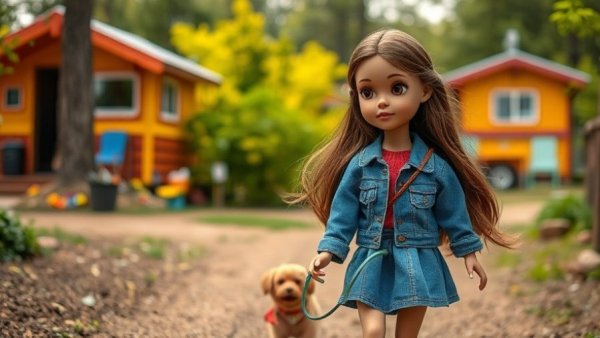
Girls enjoying playful moment in autumn setting

Girls Today: Navigating Anxiety About Growing Up

A recent study conducted by the Girl Scouts of the USA highlights a noteworthy trend among young girls aged 5 to 13: many of them are significantly anxious about growing up. More than half (54%) of the participants reported that the thought of becoming an adult feels "scary". This feeling intensifies with age—41% of 5 to 7-year-olds feel apprehensive, escalating to 62% among those aged 8 to 10, and significant at 60% for 11 to 13-year-olds. This raises important questions about how we, as adults, can help alleviate these fears.

The Changing Social Landscape

Today’s young girls are growing up in a society that is changing at an unprecedented pace, filled with information overload and newer challenges that previous generations did not face. Bonnie Barczykowski, CEO of GSUSA, emphasizes that girls are profoundly impacted by this fast-paced world. It is essential for them to have supportive role models who can guide them through these formative years, helping them build the confidence and skills necessary to tackle life’s complexities.

Why Supportive Adult Guidance Matters

The data from this study also illuminates how critical it is for girls to have adults they can trust. An impressive 85% of girls expressed that they look up to others for what they can do rather than how they look—showing a strong desire to value skill over appearances. This is a wake-up call for parents and mentors to instill self-worth in young girls that transcends societal beauty standards and pressures.

Creating Safe Spaces for Growth

Encouraging girls to try new things in low-risk settings is a proactive measure the Girl Scouts recommend for building confidence. These activities not only help in skill development but also allow girls to experience failure and resilience in a safe environment. By addressing their fears of the unknown, we can gradually empower them to transition into adulthood with a sense of purpose and capability.

Focusing on Everyday Tools for Building Confidence

Moreover, to combat their anxieties, it's important for adults to facilitate the learning of practical, real-world skills such as financial literacy, communication, and decision-making. Equipping our girls with these tools ensures that they don’t just adapt but thrive in an unpredictable world. The approach should emphasize that it’s normal to feel uncertain; adulthood is not about having every answer but about being equipped with the ability to seek solutions.

Redefining Success and Growth

As we guide these girls, we must also teach them to define success based on their values, purpose, and impact rather than societal pressures. Helping our girls realize that the journey they undertake is unique can significantly shift their perspective on adulthood from something scary into something exciting.

Conclusion: Empowering the Next Generation

Through setting healthy boundaries, celebrating their individuality, and surrounding them with empowering adults, we can help alleviate their fears about growing up. It's essential to remind young girls that they have ample time to embrace these phases of life. Just as parents are learning in this journey, so too are the children. The Girl Scouts program highlights the importance of banding together as a community to provide understanding and coping skills, making the transition into adulthood just a little less daunting.


Child Development

Write A Comment

*
*
Please complete the captcha to submit your comment.
Related Posts All Posts

Understanding ADHD Brain Fog in Children: Tips for Parents

Update Understanding ADHD Brain Fog in Children ADHD brain fog is a common phenomenon among children, particularly those with ADHD. This brain fog manifests when a child appears to zone out, takes a long time to respond, or loses track of activities. As a clinical psychologist specializing in child development, I often encounter parents who describe this state as their child feeling overwhelmed or tired, indicating that their mental capacity is reaching its limits. The good news is that there are proactive steps parents can take to lessen these instances, leading to improved focus and engagement. The Impact of Fatigue and Stress on Focus When children are fatigued or stressed, symptoms of brain fog can heighten significantly. A well-rested child with suitable nutrition and regular physical activity will have a sturdier foundation to cope with daily challenges. Techniques such as incorporating shorter tasks, offering written instructions, and allowing for regular movement breaks can significantly improve how children process instructions and maintain focus. Additionally, the addition of calm wind-down time before bed is crucial as proper rest can dramatically reduce the incidence of brain fog the following day. Identifying Symptoms of Brain Fog Children may not have the vocabulary to express their experience with brain fog; rather than saying they feel fuzzy-headed, they might say things like “I can’t think.” They might zone out during lengthy lessons or seem disconnected during conversations. For instance, I often discuss a child named Felix, who after long school days would seem lost and disoriented, taking ten minutes to put on a sock, despite being excited to play. To help parents identify this condition, here are additional symptoms children may display: Zoning out or staring blankly Slow information processing, leading to requiring questions to be repeated Difficulty following multi-step instructions Increased irritability or fatigue after prolonged concentration Resistance to starting tasks like homework, even when they express wanting to do it The Mechanistic View: How ADHD Connections Lead to Brain Fog While not an official symptom outlined in ADHD diagnoses, brain fog is intertwined with how ADHD affects a child's executive function. This executive function includes critical skills like planning, task initiation, and focus management—key components that affect children’s performance both academically and socially. Executive function also encompasses emotional regulation, which is equally important. The condition influences the capacity of working memory, which is essential for holding and using information simultaneously. Hence, when a child is required to follow complex instructions, their chance of losing their train of thought rises dramatically. This scenario is exacerbated due to the way dopamine functions in ADHD brains. When faced with seemingly “boring” tasks, children may struggle to concentrate, amplifying the feeling of brain fog. Creating an ADHD Action Plan Recognizing the symptoms of ADHD brain fog and understanding the underlying mechanisms can empower parents. With the newly developed Your Child's ADHD Action Plan, I aim to provide tailored strategies that resonate with each child's unique needs. This plan is created to assist parents through the challenges of ADHD, offering practical tips for dealing with homework issues, staying organized, and navigating social interactions. It is designed for children aged 5 to 17, and aims to foster a trusting dialogue between parents and their children about their experiences. Actionable Insights for Parents Being proactive can create dramatic changes. Here are specific and achievable steps that can be employed to create a supportive environment: Shorten Tasks: Break longer assignments into smaller, manageable segments. This prevents overwhelming feelings and allows for easier focus on each individual part. Allow Movement Breaks: Incorporate regular short breaks for physical activity to re-energize and reset a child's focus. Simple stretches or a quick walk can work wonders. Establish Calm Routines: Create a soothing pre-bedtime routine to improve sleep quality and mitigate impact on brain performance during the day. Healthy Nutrition: Ensure your child consumes balanced meals rich in fruits, vegetables, whole grains, and proteins which provide energy for both the body and brain. Encourage Interests: Support and allow time for your child to engage in activities that genuinely interest them, whether that's art, music, sports, or interactive games. This immersion can alleviate stress. Moreover, ensure that your child engages in activities that interest them. Providing avenues for fun where they can immerse themselves helps alleviate stress and promotes a sense of accomplishment. Encouragement to Embrace Understanding and Compassion Recognizing the signs of ADHD brain fog in children is the first step toward building understanding and compassion as a family unit. Open conversations about these experiences can help children feel validated in their struggles. When parents implement supportive measures, they pave the way for their children’s longer-term success while minimizing anxiety associated with performance expectations. It's important for both parents and children to know they are not alone in this journey. Understanding that ADHD and brain fog entail manageable challenges helps everyone develop stronger connections and resilience. Take Action Today for Your Child's Future Embrace a proactive approach to addressing ADHD brain fog. By researching further, engaging with helpful tools, and implementing direct strategies from your child’s ADHD Action Plan, you can create a positive environment fostering resilience and development. The earlier you address these issues, the better the foundation you can lay down for a brighter future. Parenting is a journey filled with unique challenges, and taking these steps can lead to remarkably positive outcomes for your child.

Hidden ADHD in Girls: Understanding Symptoms and Seeking Support

Update Understanding Hidden ADHD: The Often Overlooked Challenge As a parent, you may notice that your daughter thrives in a structured environment like school, yet struggles at home with feelings of overwhelm or frustration. This stark contrast often raises questions about whether something more significant is at play, particularly when traditional ADHD symptoms aren’t displaying themselves as one might expect. Recognizing these challenges is crucial for parents, as understanding your child's unique needs can significantly impact their development and overall well-being. Dr. Lucy Russell, a clinical psychologist with over 20 years of experience, explains that hidden ADHD in girls frequently remains unnoticed until they reach challenging academic stages, such as secondary school. ADHD, or Attention-Deficit/Hyperactivity Disorder, is a neurodevelopmental condition characterized by difficulties in attention management, impulse control, and often, a sense of time. In girls, however, the signs can manifest subtly, creating challenges for both the child and their caregivers. The consequences can include not just academic struggles but also emotional stress. Decoding the Differences: Why ADHD Presents Differently in Girls Traditionally, ADHD has been illustrated through the lens of hyperactive boys—those who can’t sit still and whose impulsivity disrupts classroom dynamics. This representation fails to capture the quieter symptoms that many girls exhibit, such as daydreaming and internalized anxiety. Indeed, girls are more likely to experience the inattentive type of ADHD, where the symptoms blend into a calm demeanor that masks the underlying struggle. This often results in a critical lack of understanding from both parents and teachers. Dr. Russell points out that this gender difference in ADHD presentation leads to significant delays in recognition and diagnosis. While boys often attract attention for disruptive behavior, girls may go unnoticed, praised for their behavior even as they exert tremendous effort to stay on task. Furthermore, many girls experiencing hidden ADHD may internalize their struggles, potentially leading to anxiety, self-blame, or even misdiagnoses. By educating yourself on these differences, you empower yourself to advocate more effectively for your daughter. Key Characteristics of Hidden ADHD in Girls Recognizing ADHD in girls requires a discerning eye. Frequent characteristics include: Daydreaming and Drifting Off: A girl may grasp mathematical concepts but miss crucial instructions due to working memory overload, leading to frustration and confusion during lessons. Time Blindness: Difficulty in judging how long tasks will take can create pressure, leading to anxious feelings about running late or completing assignments on time. Fatigue at Home: The intensity of maintaining focus in school often results in fatigue that can manifest as irritability or emotional outbursts at home. This tiredness can also lead to avoidance behavior regarding homework or chores. Difficulty Organizing Tasks: A lack of organization may become apparent as your daughter struggles to manage her homework or personal tasks, leading to feelings of being overwhelmed. Each symptom paints a picture of a child who is working hard to keep up on the outside but might be experiencing a tumultuous internal landscape. Recognizing these signs can empower parents to seek appropriate interventions and supports, creating a more nurturing environment for their child. Next Steps: Seeking Support and Evaluation If you suspect that your daughter may be experiencing hidden ADHD, Dr. Russell encourages an open dialogue with teachers and healthcare providers. Your observations at home can be valuable in this conversation. Consider maintaining an ADHD checklist to catalogue the patterns of behavior you observe; while it’s not a diagnostic tool, it can provide vital insights. Furthermore, flexibility is crucial when navigating potential comorbid conditions, such as anxiety or autism, which can co-occur with ADHD. Engaging with your GP for a comprehensive evaluation and talking to school personnel about your concerns can lead to targeted support strategies. Schools often have resources available, including counseling services or intervention programs specifically designed for children with learning differences. Empowering Your Daughter: Actionable Insights After recognizing potential signs of ADHD, it’s crucial to foster an environment where your daughter feels understood and supported. Encourage her to express her feelings and frustrations, cultivating an atmosphere of openness. Building a supportive community around her—both at home and in school—can normalize her experiences and help reduce anxiety. Additionally, implementing structure at home can help her manage her time and responsibilities effectively. Tools like planners or visual schedules can assist in anchoring her tasks and reducing anxiety around time management. Breaking down larger tasks into smaller, manageable steps can also promote her sense of accomplishment and encourage a positive attitude towards her work. It’s also beneficial to connect with community resources—groups and support systems tailored for parents of children with ADHD can provide immense reassurance. These resources can offer information on coping strategies and connect you with other parents who share similar experiences. Finally, leading your daughter in developing self-advocacy skills can empower her to articulate her needs and challenges effectively. Teaching her how to communicate her experiences to educators and peers will not only aid her in navigating the educational landscape but may also foster resilience as she grows. Call to Action: Embrace the Conversation Every child's journey is unique, and understanding ADHD in girls is an essential step toward providing appropriate support. Connect with other parents, educators, and specialists to continue raising awareness. By advocating for your daughter, you can ensure that her voice is heard, her needs are met, and her potential is fully realized.

Discover Daisy Davenport: 2027's Inspiring Girl Of The Year Doll

Update Unveiling Daisy Davenport: A New Era for American GirlAmerican Girl has ushered in a new chapter with the 2027 Girl of the Year doll, Daisy Davenport. This year’s doll represents an inspiring story that resonates deeply with children and parents alike, connecting the past with the modern world. Daisy, a ten-year-old from Atlanta, Georgia, is depicted as a spirited creator who channels her love for crafting and innovation into community-building projects. Her vibrant personality and imaginative spirit make her a relatable figure for many children who face the pressures of a fast-paced, technology-driven society.In today's world, children are often bombarded with fast-paced digital content, leaving little room for traditional play. Daisy’s character, however, embodies the values of creativity and resourcefulness, both essential for today’s youth to thrive in a world increasingly ruled by technology. Her story encourages kids to embrace their creativity while also showcasing the importance of finding ways to engage with their communities. This is especially vital as children are encouraged to balance screen time with meaningful, hands-on activities that stimulate their minds and nurture their talents.Daisy’s Relevance in Today's Digital LandscapeIn an era where screen time dominates, Daisy's narrative offers a powerful counterpoint. The American Girl brand has always highlighted timeless values such as friendship, perseverance, and kindness. However, Daisy's creativity combined with her outreach efforts invites young readers to think critically about their capabilities and responsibilities within their communities. This message can empower children to foster connections, engage in problem-solving, and develop emotional intelligence—skills vital for their future. As more children find themselves interacting through screens rather than face-to-face, the importance of building connections through shared activities has never been more pertinent.Moreover, Daisy's adventures in community involvement serve as a blueprint for young readers to follow in their own neighborhoods. For instance, her narrative may inspire a kid to start a book club, volunteer for local clean-up drives, or even raise awareness about environmental issues. This not only promotes a sense of responsibility but also instills the idea that they can make a difference, no matter their age.A Character Built on Real-World InspirationDaisy Davenport is inspired by the reality of young innovators today. From tinkering in the garage to organizing community clean-ups, her character embodies the spirit of modern-day trailblazers. As we observe children taking initiative and crafting their futures, figures like Daisy become symbols of hope and possibility. Alongside Daisy, American Girl also provides various books and accessories that encourage children to reflect on their values while nurturing their passions.Engaging in constructive projects fosters a deeper appreciation for teamwork and resilience. It's important for parents to recognize these qualities in our children and nurture them, providing opportunities for their creativity to flourish, whether through art, science, or social initiatives. By doing so, they not only encourage personal growth but also impart invaluable lessons on social responsibility and community engagement.Daisy’s Accessories: Encouraging Hands-On CreativityThe Daisy Davenport doll comes with an array of accessories that promote creativity, including crafting tools, a storytelling board, and elements for conducting DIY projects. These pieces offer an excellent platform to stimulate imaginative play and encourage children to create their own stories, much like Daisy. With each accessory, children can create unique scenarios, allowing them to explore various narratives that reflect their personal experiences and aspirations.By allowing kids to immerse themselves in hands-on activities, we help them develop fine motor skills, patience, and problem-solving abilities. Each interaction with Daisy's accessories can turn simple play into a meaningful learning experience, fostering a mindset of exploration and curiosity. Activities such as sewing, painting, or crafting not only provide entertainment but also encourage children to stick with a project and see it through to completion, teaching persistence and dedication.Creating Positive Spaces for Meaningful ConnectionsParents play a crucial role in guiding children as they navigate their relationships and interests. The introduction of Daisy invites discussions about the importance of friendship and community support. It encourages parents to engage in open conversations that highlight the value of empathy, collaboration, and understanding in the digital age. As children articulate their thoughts about Daisy's experiences, parents can gently guide them to relate those lessons back to their own lives.Utilizing Daisy's story, parents can reinforce the idea that creativity and connection lead to uplifting environments. This not only cultivates self-esteem in children but also establishes a foundation for long-lasting, meaningful friendships. Parents might even consider using Daisy’s narrative as a springboard for family projects, emphasizing collaboration and creativity in a shared environment. These family activities can strengthen bonds and create lasting memories centered around creativity and connection.Conclusion: The Impact of a DollUltimately, Daisy Davenport isn't just another addition to the American Girl lineup; she represents a modern-day champion of creativity and community spirit. As parents engage with their children through Daisy's story, they can help cultivate essential life skills and meaningful connections that extend beyond playtime. Her character encourages the imaginative dreams of children everywhere, accompanying them as they learn to navigate their futures with confidence and empathy.In a world where social connections are increasingly virtual, Daisy's story reminds us all to foster creativity, community, and care. She inspires both kids and adults to find joy in creating together, strengthening the bonds of family and friendship. So, grab Daisy and join the movement—let creativity and compassion guide the next generation!

© 2026 PIP Consulting, LLC All Rights Reserved. 3773 Howard Hughes Parkway South Tower, Suite 500, Las Vegas, NV 89169-6014 . Contact Us . Terms of Service . Privacy Policy

eyJjb21wYW55IjoiUElQIENvbnN1bHRpbmcsIExMQyIsImFkZHJlc3MiOiIzNzczIEhvd2FyZCBIdWdoZXMgUGFya3dheSBTb3V0aCBUb3dlciwgU3VpdGUgNTAwIiwiY2l0eSI6IkxhcyBWZWdhcyIsInN0YXRlIjoiTlYiLCJ6aXAiOiI4OTE2OS02MDE0IiwiZW1haWwiOiJpbmZvQGVuZXJnaXpleW91cm1hcmtldGluZy5jb20iLCJ0b3MiOiJQSEErUEhOMGNtOXVaejQ4WlcwK1YyaGxiaUI1YjNVZ2MybG5iaTFwYmlCM2FYUm9JSFZ6TENCNWIzVWdZWEpsSUdkcGRtbHVaeVp1WW5Od095QjViM1Z5SUhCbGNtMXBjM05wYjI0Z1lXNWtJR052Ym5ObGJuUWdkRzhnYzJWdVpDQjViM1VnWlcxaGFXd2dZVzVrTDI5eUlGTk5VeUIwWlhoMElHMWxjM05oWjJWekxpQkNlU0JqYUdWamEybHVaeUIwYUdVZ1ZHVnliWE1nWVc1a0lFTnZibVJwZEdsdmJuTWdZbTk0SUdGdVpDQmllU0J6YVdkdWFXNW5JR2x1SUhsdmRTQmhkWFJ2YldGMGFXTmhiR3g1SUdOdmJtWnBjbTBnZEdoaGRDQjViM1VnWVdOalpYQjBJR0ZzYkNCMFpYSnRjeUJwYmlCMGFHbHpJR0ZuY21WbGJXVnVkQzQ4TDJWdFBqd3ZjM1J5YjI1blBqd3ZjRDRLQ2p4d1BqeGhJR2h5WldZOUltaDBkSEE2THk5M2QzY3VaMjl2WjJ4bExtTnZiU0krYUhSMGNEb3ZMM2QzZHk1bmIyOW5iR1V1WTI5dFBDOWhQand2Y0Q0S0NqeHdQaVp1WW5Od096d3ZjRDRLQ2p4d1BqeHpkSEp2Ym1jK1UwVlNWa2xEUlR3dmMzUnliMjVuUGp3dmNENEtDanh3UGxkbElIQnliM1pwWkdVZ1lTQnpaWEoyYVdObElIUm9ZWFFnWTNWeWNtVnVkR3g1SUdGc2JHOTNjeUI1YjNVZ2RHOGdjbVZqWldsMlpTQnlaWEYxWlhOMGN5Qm1iM0lnWm1WbFpHSmhZMnNzSUdOdmJYQmhibmtnYVc1bWIzSnRZWFJwYjI0c0lIQnliMjF2ZEdsdmJtRnNJR2x1Wm05eWJXRjBhVzl1TENCamIyMXdZVzU1SUdGc1pYSjBjeXdnWTI5MWNHOXVjeXdnWkdselkyOTFiblJ6SUdGdVpDQnZkR2hsY2lCdWIzUnBabWxqWVhScGIyNXpJSFJ2SUhsdmRYSWdaVzFoYVd3Z1lXUmtjbVZ6Y3lCaGJtUXZiM0lnWTJWc2JIVnNZWElnY0dodmJtVWdiM0lnWkdWMmFXTmxMaUJaYjNVZ2RXNWtaWEp6ZEdGdVpDQmhibVFnWVdkeVpXVWdkR2hoZENCMGFHVWdVMlZ5ZG1salpTQnBjeUJ3Y205MmFXUmxaQ0FtY1hWdmREdEJVeTFKVXlaeGRXOTBPeUJoYm1RZ2RHaGhkQ0IzWlNCaGMzTjFiV1VnYm04Z2NtVnpjRzl1YzJsaWFXeHBkSGtnWm05eUlIUm9aU0IwYVcxbGJHbHVaWE56TENCa1pXeGxkR2x2Yml3Z2JXbHpMV1JsYkdsMlpYSjVJRzl5SUdaaGFXeDFjbVVnZEc4Z2MzUnZjbVVnWVc1NUlIVnpaWElnWTI5dGJYVnVhV05oZEdsdmJuTWdiM0lnY0dWeWMyOXVZV3hwZW1GMGFXOXVJSE5sZEhScGJtZHpMand2Y0Q0S0NqeHdQbGx2ZFNCaGNtVWdjbVZ6Y0c5dWMybGliR1VnWm05eUlHOWlkR0ZwYm1sdVp5QmhZMk5sYzNNZ2RHOGdkR2hsSUZObGNuWnBZMlVnWVc1a0lIUm9ZWFFnWVdOalpYTnpJRzFoZVNCcGJuWnZiSFpsSUhSb2FYSmtJSEJoY25SNUlHWmxaWE1nS0hOMVkyZ2dZWE1nVTAxVElIUmxlSFFnYldWemMyRm5aWE1zSUVsdWRHVnlibVYwSUhObGNuWnBZMlVnY0hKdmRtbGtaWElnYjNJZ1kyVnNiSFZzWVhJZ1lXbHlkR2x0WlNCamFHRnlaMlZ6S1M0Z1dXOTFJR0Z5WlNCeVpYTndiMjV6YVdKc1pTQm1iM0lnZEdodmMyVWdabVZsY3l3Z2FXNWpiSFZrYVc1bklIUm9iM05sSUdabFpYTWdZWE56YjJOcFlYUmxaQ0IzYVhSb0lIUm9aU0JrYVhOd2JHRjVJRzl5SUdSbGJHbDJaWEo1SUc5bUlHVmhZMmdnVTAxVElIUmxlSFFnYldWemMyRm5aU0J6Wlc1MElIUnZJSGx2ZFNCaWVTQjFjeTRnU1c0Z1lXUmthWFJwYjI0c0lIbHZkU0J0ZFhOMElIQnliM1pwWkdVZ1lXNWtJR0Z5WlNCeVpYTndiMjV6YVdKc1pTQm1iM0lnWVd4c0lHVnhkV2x3YldWdWRDQnVaV05sYzNOaGNua2dkRzhnWVdOalpYTnpJSFJvWlNCVFpYSjJhV05sSUdGdVpDQnlaV05sYVhabElIUm9aU0JUVFZNZ2RHVjRkQ0J0WlhOellXZGxjeTRnVjJVZ1pHOGdibTkwSUdOb1lYSm5aU0JoYm5rZ1ptVmxjeUJtYjNJZ1pHVnNhWFpsY25rZ2IyWWdaVzFoYVd3Z2IzSWdVMDFUTGlCVWFHbHpJR2x6SUdFZ1puSmxaU0J6WlhKMmFXTmxJSEJ5YjNacFpHVmtJR0o1SUhWekxpQkliM2RsZG1WeUxDQndiR1ZoYzJVZ1kyaGxZMnNnZDJsMGFDQjViM1Z5SUdsdWRHVnlibVYwSUhObGNuWnBZMlVnY0hKdmRtbGtaWElnWVc1a0lHTmxiR3gxYkdGeUlHTmhjbkpwWlhJZ1ptOXlJR0Z1ZVNCamFHRnlaMlZ6SUhSb1lYUWdiV0Y1SUdsdVkzVnlJR0Z6SUdFZ2NtVnpkV3gwSUdaeWIyMGdjbVZqWldsMmFXNW5JR1Z0WVdsc0lHRnVaQ0JUVFZNZ2RHVjRkQ0J0WlhOellXZGxjeUIwYUdGMElIZGxJR1JsYkdsMlpYSWdkWEJ2YmlCNWIzVnlJRzl3ZEMxcGJpQmhibVFnY21WbmFYTjBjbUYwYVc5dUlIZHBkR2dnYjNWeUlHVnRZV2xzSUdGdVpDQlRUVk1nYzJWeWRtbGpaWE11SUZsdmRTQmpZVzRnWTJGdVkyVnNJR0YwSUdGdWVTQjBhVzFsTGlCS2RYTjBJSFJsZUhRZ0puRjFiM1E3VTFSUFVDWnhkVzkwT3lCMGJ5QThhR2xuYUd4cFoyaDBJR05zWVhOelBTSmpiMjF3WVc1NVVHaHZibVZWY0dSaGRHVWlQaXN4T0RRM09UazVORE0wTkR3dmFHbG5hR3hwWjJoMFBpNGdRV1owWlhJZ2VXOTFJSE5sYm1RZ2RHaGxJRk5OVXlCdFpYTnpZV2RsSUNaeGRXOTBPMU5VVDFBbWNYVnZkRHNnZEc4Z2RYTXNJSGRsSUhkcGJHd2djMlZ1WkNCNWIzVWdZVzRnVTAxVElHMWxjM05oWjJVZ2RHOGdZMjl1Wm1seWJTQjBhR0YwSUhsdmRTQm9ZWFpsSUdKbFpXNGdkVzV6ZFdKelkzSnBZbVZrTGlCQlpuUmxjaUIwYUdsekxDQjViM1VnZDJsc2JDQnVieUJzYjI1blpYSWdjbVZqWldsMlpTQlRUVk1nYldWemMyRm5aWE1nWm5KdmJTQjFjeTQ4TDNBK0NnbzhjRDQ4YzNSeWIyNW5QbGxQVlZJZ1VrVkhTVk5VVWtGVVNVOU9JRTlDVEVsSFFWUkpUMDVUUEM5emRISnZibWMrUEM5d1Bnb0tQSEErU1c0Z1kyOXVjMmxrWlhKaGRHbHZiaUJ2WmlCNWIzVnlJSFZ6WlNCdlppQjBhR1VnVTJWeWRtbGpaU3dnZVc5MUlHRm5jbVZsSUhSdk9qd3ZjRDRLQ2p4dmJENEtDVHhzYVQ1d2NtOTJhV1JsSUhSeWRXVXNJR0ZqWTNWeVlYUmxMQ0JqZFhKeVpXNTBJR0Z1WkNCamIyMXdiR1YwWlNCcGJtWnZjbTFoZEdsdmJpQmhZbTkxZENCNWIzVnljMlZzWmlCaGN5QndjbTl0Y0hSbFpDQmllU0IwYUdVZ1UyVnlkbWxqWlNZak16azdjeUJ5WldkcGMzUnlZWFJwYjI0Z1ptOXliU0FvYzNWamFDQnBibVp2Y20xaGRHbHZiaUJpWldsdVp5QjBhR1VnSm5GMWIzUTdVbVZuYVhOMGNtRjBhVzl1SUVSaGRHRW1jWFZ2ZERzcElHRnVaRHd2YkdrK0NnazhiR2srYldGcGJuUmhhVzRnWVc1a0lIQnliMjF3ZEd4NUlIVndaR0YwWlNCMGFHVWdVbVZuYVhOMGNtRjBhVzl1SUVSaGRHRWdkRzhnYTJWbGNDQnBkQ0IwY25WbExDQmhZMk4xY21GMFpTd2dZM1Z5Y21WdWRDQmhibVFnWTI5dGNHeGxkR1V1SUVsbUlIbHZkU0J3Y205MmFXUmxJR0Z1ZVNCcGJtWnZjbTFoZEdsdmJpQjBhR0YwSUdseklIVnVkSEoxWlN3Z2FXNWhZMk4xY21GMFpTd2dibTkwSUdOMWNuSmxiblFnYjNJZ2FXNWpiMjF3YkdWMFpTd2diM0lnZDJVZ2FHRjJaU0J5WldGemIyNWhZbXhsSUdkeWIzVnVaSE1nZEc4Z2MzVnpjR1ZqZENCMGFHRjBJSE4xWTJnZ2FXNW1iM0p0WVhScGIyNGdhWE1nZFc1MGNuVmxMQ0JwYm1GalkzVnlZWFJsTENCdWIzUWdZM1Z5Y21WdWRDQnZjaUJwYm1OdmJYQnNaWFJsTENCM1pTQm9ZWFpsSUhSb1pTQnlhV2RvZENCMGJ5QnpkWE53Wlc1a0lHOXlJRHh6ZEhKdmJtYytQSE53WVc0Z2MzUjViR1U5SW1OdmJHOXlPaU5HUmpBd01EQTdJajUwWlhKdGFXNWhkR1VnZVc5MWNpQmhZMk52ZFc1MEwzQnliMlpwYkdVZ1lXNWtJSEpsWm5WelpTQmhibmtnWVc1a0lHRnNiQ0JqZFhKeVpXNTBJRzl5SUdaMWRIVnlaU0IxYzJVZ2IyWWdkR2hsSUZObGNuWnBZMlVnS0c5eUlHRnVlU0J3YjNKMGFXOXVJSFJvWlhKbGIyWXBMand2YzNCaGJqNDhMM04wY205dVp6NDhMMnhwUGdvOEwyOXNQZ29LUEhBK0ptNWljM0E3UEM5d1BnbzhhR2xuYUd4cFoyaDBJR05zWVhOelBTSmpiMjF3WVc1NVRtRnRaVlZ3WkdGMFpTSStVRWxRSUVOdmJuTjFiSFJwYm1jc0lFeE1Rend2YUdsbmFHeHBaMmgwUGp4aWNpQXZQZ284YUdsbmFHeHBaMmgwSUdOc1lYTnpQU0pqYjIxd1lXNTVRV1JrY21WemMxVndaR0YwWlNJK016YzNNeUJJYjNkaGNtUWdTSFZuYUdWeklGQmhjbXQzWVhrZ1UyOTFkR2dnVkc5M1pYSXNJRk4xYVhSbElEVXdNQ3dnVEdGeklGWmxaMkZ6TENCT1ZpQTRPVEUyT1MwMk1ERTBQQzlvYVdkb2JHbG5hSFErUEdKeUlDOCtDanhvYVdkb2JHbG5hSFFnWTJ4aGMzTTlJbU52YlhCaGJubFFhRzl1WlZWd1pHRjBaU0krS3pFNE5EY3RPVGs1TFRRek5EUThMMmhwWjJoc2FXZG9kRDQ4WW5JZ0x6NEtQR2hwWjJoc2FXZG9kQ0JqYkdGemN6MGlZMjl0Y0dGdWVVVnRZV2xzVlhCa1lYUmxJajVwYm1adlFHVnVaWEpuYVhwbGVXOTFjbTFoY210bGRHbHVaeTVqYjIwOEwyaHBaMmhzYVdkb2REND0iLCJwcml2YWN5IjoiUEhBK1BITjBjbTl1Wno1UVVrbFdRVU5aUEM5emRISnZibWMrUEM5d1Bnb0tQSEErUEhOMGNtOXVaejVVYUdVZ2FXNW1iM0p0WVhScGIyNGdjSEp2ZG1sa1pXUWdaSFZ5YVc1bklIUm9hWE1nY21WbmFYTjBjbUYwYVc5dUlHbHpJR3RsY0hRZ2NISnBkbUYwWlNCaGJtUWdZMjl1Wm1sa1pXNTBhV0ZzTENCaGJtUWdkMmxzYkNCdVpYWmxjaUJpWlNCa2FYTjBjbWxpZFhSbFpDd2dZMjl3YVdWa0xDQnpiMnhrTENCMGNtRmtaV1FnYjNJZ2NHOXpkR1ZrSUdsdUlHRnVlU0IzWVhrc0lITm9ZWEJsSUc5eUlHWnZjbTB1SUZSb2FYTWdhWE1nYjNWeUlHZDFZWEpoYm5SbFpTNDhMM04wY205dVp6NDhMM0ErQ2dvOGNENDhjM1J5YjI1blBrbE9SRVZOVGtsVVdUd3ZjM1J5YjI1blBqd3ZjRDRLQ2p4d1BqeGxiVDVaYjNVZ1lXZHlaV1VnZEc4Z2FXNWtaVzF1YVdaNUlHRnVaQ0JvYjJ4a0lIVnpMQzRnWVc1a0lHbDBjeUJ6ZFdKemFXUnBZWEpwWlhNc0lHRm1abWxzYVdGMFpYTXNJRzltWm1salpYSnpMQ0JoWjJWdWRITXNJR052TFdKeVlXNWtaWEp6SUc5eUlHOTBhR1Z5SUhCaGNuUnVaWEp6TENCaGJtUWdaVzF3Ykc5NVpXVnpMQ0JvWVhKdGJHVnpjeUJtY205dElHRnVlU0JqYkdGcGJTQnZjaUJrWlcxaGJtUXNJR2x1WTJ4MVpHbHVaeUJ5WldGemIyNWhZbXhsSUdGMGRHOXlibVY1Y3lZak16azdJR1psWlhNc0lHMWhaR1VnWW5rZ1lXNTVJSFJvYVhKa0lIQmhjblI1SUdSMVpTQjBieUJ2Y2lCaGNtbHphVzVuSUc5MWRDQnZaaUJEYjI1MFpXNTBJSGx2ZFNCeVpXTmxhWFpsTENCemRXSnRhWFFzSUhKbGNHeDVMQ0J3YjNOMExDQjBjbUZ1YzIxcGRDQnZjaUJ0WVd0bElHRjJZV2xzWVdKc1pTQjBhSEp2ZFdkb0lIUm9aU0JUWlhKMmFXTmxMQ0I1YjNWeUlIVnpaU0J2WmlCMGFHVWdVMlZ5ZG1salpTd2dlVzkxY2lCamIyNXVaV04wYVc5dUlIUnZJSFJvWlNCVFpYSjJhV05sTENCNWIzVnlJSFpwYjJ4aGRHbHZiaUJ2WmlCMGFHVWdWRTlUTENCdmNpQjViM1Z5SUhacGIyeGhkR2x2YmlCdlppQmhibmtnY21sbmFIUnpJRzltSUdGdWIzUm9aWEl1UEM5bGJUNDhMM0ErQ2dvOGNENDhjM1J5YjI1blBrUkpVME5NUVVsTlJWSWdUMFlnVjBGU1VrRk9WRWxGVXp3dmMzUnliMjVuUGp3dmNENEtDanh3UGp4emRISnZibWMrV1U5VklFVllVRkpGVTFOTVdTQlZUa1JGVWxOVVFVNUVJRUZPUkNCQlIxSkZSU0JVU0VGVU9qd3ZjM1J5YjI1blBqd3ZjRDRLQ2p4dmJENEtDVHhzYVQ1WlQxVlNJRlZUUlNCUFJpQlVTRVVnVTBWU1ZrbERSU0JKVXlCQlZDQlpUMVZTSUZOUFRFVWdVa2xUU3k0Z1ZFaEZJRk5GVWxaSlEwVWdTVk1nVUZKUFZrbEVSVVFnVDA0Z1FVNGdKbkYxYjNRN1FWTWdTVk1tY1hWdmREc2dRVTVFSUNaeGRXOTBPMEZUSUVGV1FVbE1RVUpNUlNaeGRXOTBPeUJDUVZOSlV5NGdMQzRnUVU1RUlGVlRMQ0JKVkNZak16azdVeUJEVlZOVVQwMUZVbE1zSUVWWVVGSkZVMU5NV1NCRVNWTkRURUZKVFZNZ1FVeE1JRmRCVWxKQlRsUkpSVk1nVDBZZ1FVNVpJRXRKVGtRc0lGZElSVlJJUlZJZ1JWaFFVa1ZUVXlCUFVpQkpUVkJNU1VWRUxDQkpUa05NVlVSSlRrY3NJRUpWVkNCT1QxUWdURWxOU1ZSRlJDQlVUeUJVU0VVZ1NVMVFURWxGUkNCWFFWSlNRVTVVU1VWVElFOUdJRTFGVWtOSVFVNVVRVUpKVEVsVVdTd2dSa2xVVGtWVFV5QkdUMUlnUVNCUVFWSlVTVU5WVEVGU0lGQlZVbEJQVTBVZ1FVNUVJRTVQVGkxSlRrWlNTVTVIUlUxRlRsUXVQQzlzYVQ0S0NUeHNhVDVOUVV0RlV5Qk9UeUJYUVZKU1FVNVVXU0JVU0VGVUlDaHBLU0JVU0VVZ1UwVlNWa2xEUlNCWFNVeE1JRTFGUlZRZ1dVOVZVaUJTUlZGVlNWSkZUVVZPVkZNc0lDaHBhU2tnVkVoRklGTkZVbFpKUTBVZ1YwbE1UQ0JDUlNCVlRrbE9WRVZTVWxWUVZFVkVMQ0JVU1UxRlRGa3NJRk5GUTFWU1JTd2dUMUlnUlZKU1QxSXRSbEpGUlN3Z0tHbHBhU2tnVkVoRklGSkZVMVZNVkZNZ1ZFaEJWQ0JOUVZrZ1FrVWdUMEpVUVVsT1JVUWdSbEpQVFNCVVNFVWdWVk5GSUU5R0lGUklSU0JUUlZKV1NVTkZJRmRKVEV3Z1FrVWdRVU5EVlZKQlZFVWdUMUlnVWtWTVNVRkNURVVzSUVGT1JDQW9hWFlwSUVGT1dTQkZVbEpQVWxNZ1NVNGdWRWhGSUZOUFJsUlhRVkpGSUZkSlRFd2dRa1VnUTA5U1VrVkRWRVZFTGp3dmJHaytDZ2s4YkdrK1FVNVpJRTFCVkVWU1NVRk1JRVJQVjA1TVQwRkVSVVFnVDFJZ1QxUklSVkpYU1ZORklFOUNWRUZKVGtWRUlGUklVazlWUjBnZ1ZFaEZJRlZUUlNCUFJpQlVTRVVnVTBWU1ZrbERSU0JKVXlCRVQwNUZJRUZVSUZsUFZWSWdUMWRPSUVSSlUwTlNSVlJKVDA0Z1FVNUVJRkpKVTBzZ1FVNUVJRlJJUVZRZ1dVOVZJRmRKVEV3Z1FrVWdVMDlNUlV4WklGSkZVMUJQVGxOSlFreEZJRVpQVWlCQlRsa2dSRUZOUVVkRklGUlBJRmxQVlZJZ1EwOU5VRlZVUlZJZ1UxbFRWRVZOSUU5U0lFeFBVMU1nVDBZZ1JFRlVRU0JVU0VGVUlGSkZVMVZNVkZNZ1JsSlBUU0JVU0VVZ1JFOVhUa3hQUVVRZ1QwWWdRVTVaSUZOVlEwZ2dUVUZVUlZKSlFVd3VQQzlzYVQ0S0NUeHNhVDVPVHlCQlJGWkpRMFVnVDFJZ1NVNUdUMUpOUVZSSlQwNHNJRmRJUlZSSVJWSWdUMUpCVENCUFVpQlhVa2xVVkVWT0xDQlBRbFJCU1U1RlJDQkNXU0JaVDFVZ1JsSlBUU0JQVWlCVVNGSlBWVWRJSUU5U0lFWlNUMDBnVkVoRklGTkZVbFpKUTBVZ1UwaEJURXdnUTFKRlFWUkZJRUZPV1NCWFFWSlNRVTVVV1NCT1QxUWdSVmhRVWtWVFUweFpJRk5VUVZSRlJDQkpUaUJVU0VVZ1ZFOVRMand2YkdrK0Nqd3ZiMncrQ2dvOGNENDhjM1J5YjI1blBreEpUVWxVUVZSSlQwNGdUMFlnVEVsQlFrbE1TVlJaUEM5emRISnZibWMrUEM5d1Bnb0tQSEErV1U5VklFVllVRkpGVTFOTVdTQlZUa1JGVWxOVVFVNUVJRUZPUkNCQlIxSkZSU0JVU0VGVUlFRk9SQ0JUU0VGTVRDQk9UMVFnUWtVZ1RFbEJRa3hGSUVaUFVpQkJUbGtnUkVsU1JVTlVMQ0JKVGtSSlVrVkRWQ3dnU1U1RFNVUkZUbFJCVEN3Z1UxQkZRMGxCVEN3Z1EwOU9VMFZSVlVWT1ZFbEJUQ0JQVWlCRldFVk5VRXhCVWxrZ1JFRk5RVWRGVXl3Z1NVNURURlZFU1U1SElFSlZWQ0JPVDFRZ1RFbE5TVlJGUkNCVVR5d2dSRUZOUVVkRlV5QkdUMUlnVEU5VFV5QlBSaUJRVWs5R1NWUlRMQ0JIVDA5RVYwbE1UQ3dnVlZORkxDQkVRVlJCSUU5U0lFOVVTRVZTSUVsT1ZFRk9SMGxDVEVVZ1RFOVRVMFZUSUNoRlZrVk9JRWxHSUVoQlV5QkNSVVZPSUVGRVZrbFRSVVFnVDBZZ1ZFaEZJRkJQVTFOSlFrbE1TVlJaSUU5R0lGTlZRMGdnUkVGTlFVZEZVeWtzSUZKRlUxVk1WRWxPUnlCR1VrOU5Pand2Y0Q0S0NqeHZiRDRLQ1R4c2FUNVVTRVVnVlZORklFOVNJRlJJUlNCSlRrRkNTVXhKVkZrZ1ZFOGdWVk5GSUZSSVJTQlRSVkpXU1VORk96d3ZiR2srQ2drOGJHaytWRWhGSUVOUFUxUWdUMFlnVUZKUFExVlNSVTFGVGxRZ1QwWWdVMVZDVTFSSlZGVlVSU0JIVDA5RVV5QkJUa1FnVTBWU1ZrbERSVk1nVWtWVFZVeFVTVTVISUVaU1QwMGdRVTVaSUVkUFQwUlRMQ0JFUVZSQkxDQkpUa1pQVWsxQlZFbFBUaUJQVWlCVFJWSldTVU5GVXlCUVZWSkRTRUZUUlVRZ1QxSWdUMEpVUVVsT1JVUWdUMUlnVFVWVFUwRkhSVk1nVWtWRFJVbFdSVVFnVDFJZ1ZGSkJUbE5CUTFSSlQwNVRJRVZPVkVWU1JVUWdTVTVVVHlCVVNGSlBWVWRJSUU5U0lFWlNUMDBnVkVoRklGTkZVbFpKUTBVN1BDOXNhVDRLQ1R4c2FUNVZUa0ZWVkVoUFVrbGFSVVFnUVVORFJWTlRJRlJQSUU5U0lFRk1WRVZTUVZSSlQwNGdUMFlnV1U5VlVpQlVVa0ZPVTAxSlUxTkpUMDVUSUU5U0lFUkJWRUU3UEM5c2FUNEtDVHhzYVQ1VFZFRlVSVTFGVGxSVElFOVNJRU5QVGtSVlExUWdUMFlnUVU1WklGUklTVkpFSUZCQlVsUlpJRTlPSUZSSVJTQlRSVkpXU1VORk95QlBVand2YkdrK0NnazhiR2srUVU1WklFOVVTRVZTSUUxQlZGUkZVaUJTUlV4QlZFbE9SeUJVVHlCVVNFVWdVMFZTVmtsRFJTNDhMMnhwUGdvOEwyOXNQZ29LUEhBK1BIVStRbmtnY21WbmFYTjBaWEpwYm1jZ1lXNWtJSE4xWW5OamNtbGlhVzVuSUhSdklHOTFjaUJsYldGcGJDQmhibVFnVTAxVElITmxjblpwWTJVc0lHSjVJRzl3ZEMxcGJpd2diMjVzYVc1bElISmxaMmx6ZEhKaGRHbHZiaUJ2Y2lCaWVTQm1hV3hzYVc1bklHOTFkQ0JoSUdOaGNtUXNJQ1p4ZFc5ME8zbHZkU0JoWjNKbFpTQjBieUIwYUdWelpTQlVSVkpOVXlCUFJpQlRSVkpXU1VORkpuRjFiM1E3SUdGdVpDQjViM1VnWVdOcmJtOTNiR1ZrWjJVZ1lXNWtJSFZ1WkdWeWMzUmhibVFnZEdobElHRmliM1psSUhSbGNtMXpJRzltSUhObGNuWnBZMlVnYjNWMGJHbHVaV1FnWVc1a0lHUmxkR0ZwYkdWa0lHWnZjaUI1YjNVZ2RHOWtZWGt1UEM5MVBqd3ZjRDRLQ2p4d1BpWnVZbk53T3p3dmNENEtQR2hwWjJoc2FXZG9kQ0JqYkdGemN6MGlZMjl0Y0dGdWVVNWhiV1ZWY0dSaGRHVWlQbEJKVUNCRGIyNXpkV3gwYVc1bkxDQk1URU04TDJocFoyaHNhV2RvZEQ0OFluSWdMejRLUEdocFoyaHNhV2RvZENCamJHRnpjejBpWTI5dGNHRnVlVUZrWkhKbGMzTlZjR1JoZEdVaVBqTTNOek1nU0c5M1lYSmtJRWgxWjJobGN5QlFZWEpyZDJGNUlGTnZkWFJvSUZSdmQyVnlMQ0JUZFdsMFpTQTFNREFzSUV4aGN5QldaV2RoY3l3Z1RsWWdPRGt4TmprdE5qQXhORHd2YUdsbmFHeHBaMmgwUGp4aWNpQXZQZ284YUdsbmFHeHBaMmgwSUdOc1lYTnpQU0pqYjIxd1lXNTVVR2h2Ym1WVmNHUmhkR1VpUGlzeE9EUTNJRGs1T1NBME16UTBQQzlvYVdkb2JHbG5hSFErUEdKeUlDOCtDanhvYVdkb2JHbG5hSFFnWTJ4aGMzTTlJbU52YlhCaGJubEZiV0ZwYkZWd1pHRjBaU0krYVc1bWIwQmxibVZ5WjJsNlpYbHZkWEp0WVhKclpYUnBibWN1WTI5dFBDOW9hV2RvYkdsbmFIUSsifQ==

Terms of Service

Privacy Policy

Core Modal Title

Sorry, no results found

You Might Find These Articles Interesting

T
Please Check Your Email
We Will Be Following Up Shortly
*
*
*