
Are we giving children enough opportunities to be responsible—or are we holding them back unintentionally? Teaching kids responsibility is more than just asking them to clean their rooms or finish their homework. It’s about empowering them to become responsible adults who can make decisions, learn from mistakes, and thrive both at home and in society. This comprehensive guide will help parents and educators unlock practical methods and strategies to nurture responsible kids, equipping them with key life skills that will serve them for years to come.
Unlocking the Power of Teaching Kids Responsibility: Why It Matters
Opening Hook: Are we giving children enough opportunities to be responsible—or are we holding them back unintentionally?
In today’s fast-paced world, children often have tightly packed schedules filled with academics, extracurricular activities, and screen time. Yet, experts in child development argue that nothing replaces the value of teaching kids responsibility through everyday tasks and experiences. When parents and educators consciously find ways to give children responsibility—whether in small household jobs or in classroom settings—they lay a strong foundation for responsible kids who can confidently handle challenges and take ownership of their actions. Responsibility means not just following rules, but understanding positive or negative consequences, making choices, and learning from outcomes. Providing opportunities to practice these skills from an early age leads to children who are more independent, trustworthy, and capable of becoming responsible adults.
What You'll Learn About Teaching Kids Responsibility
- Why teaching responsibility early lays a foundation for lifelong success
- Effective strategies and age-appropriate chores to cultivate responsible kids
- How children responsibility evolves with age and experience
- Answers to common parenting questions about responsibility
Understanding Teaching Kids Responsibility: The Framework
The Importance of Teaching Responsibility in Childhood
Teaching responsibility in childhood is not a one-time lesson; it's a process that evolves over years. Responsible kids grow into adults equipped to make wise decisions, work collaboratively, and manage setbacks. When kids can learn that their actions have real-world impacts—both positive or negative—they develop a sense of personal responsibility and self-worth. In fact, consistent teaching responsibility at an early age can improve academic outcomes, social relationships, and emotional intelligence. Whether it’s a class activity, helping a sibling, or organizing a book shelf, every small act of taking responsibility paves the way toward lifelong confidence and competence.
While assigning chores is a powerful tool for building responsibility, the way parents respond to mistakes or resistance can make a significant difference. Many families find that shifting from punitive approaches to positive reinforcement not only encourages participation but also strengthens the parent-child relationship. For a deeper look at why positive parenting strategies are more effective than punishment, explore the benefits of embracing positive parenting over traditional discipline.
Common Myths About Responsible Kids and Children Responsibility
Many believe responsible kids are simply born that way or that responsibility is too complex for young children. In reality, children can learn and practice responsibility skills as soon as they participate in daily routines. A persistent myth is that strict punishment or forcing chores "teaches" responsibility, but research and practical experience show that nurturing, trust, and consistent opportunities are more effective. Encouragement and guidance, rather than negative consequences alone, supports a journey where mistakes are seen as learning opportunities. As the saying goes:
"Teaching kids responsibility is a gradual process that flourishes through consistency, patience, and trust."

The Benefits of Teaching Kids Responsibility Through Chores
- Building life skills for responsible kids
- Strengthening family bonds through shared tasks
- Boosting self-esteem and intrinsic motivation
| Chores | Discussion | Rewards | Natural Consequences | |
|---|---|---|---|---|
| Early Responsibility | ✔️ | ✔️ | ❌ | ✔️ |
| Skill-Building | ✔️ | ✔️ | ❌ | ✔️ |
| Long-Term Effectiveness | ✔️ | ❌ | ✔️ | ✔️ |
Age-Appropriate Chores for Teaching Kids Responsibility

Responsibilities for Young Children (Ages 3–6)
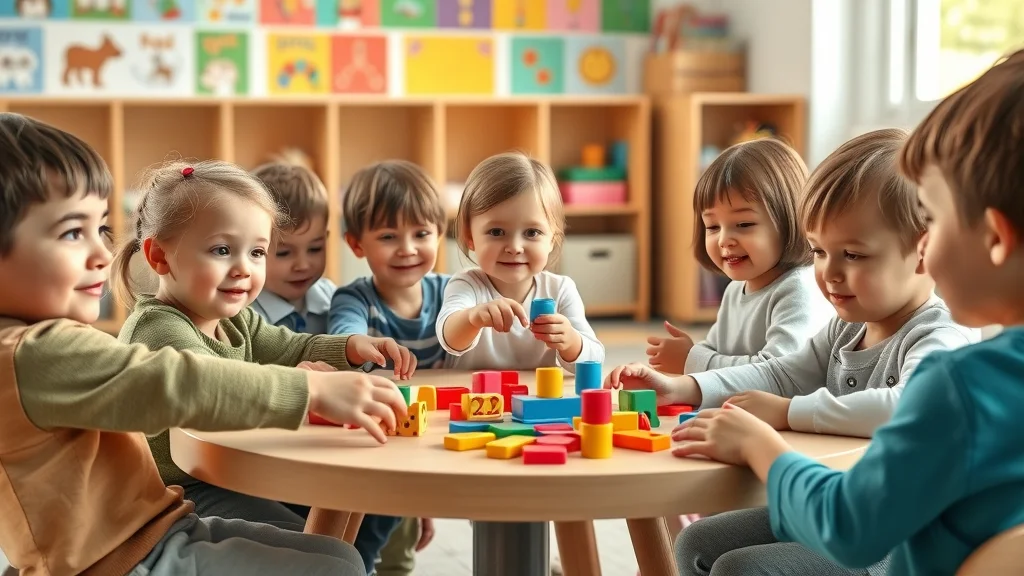
At the preschool age, children are naturally eager to imitate adults and participate in real-life tasks. Simple, supervised chores like putting away toys, feeding pets, or helping set the table introduce the concept of contributing to a group. When young children take a turn handing out napkins or putting books on the shelf, they experience the pride of completing a job and the understanding that their actions help the family or class run smoothly. These activities also reinforce motor skills and provide positive feedback through routines and praise, laying the groundwork for a lifetime of responsibility skills.
Chores for Elementary-Age Responsible Kids
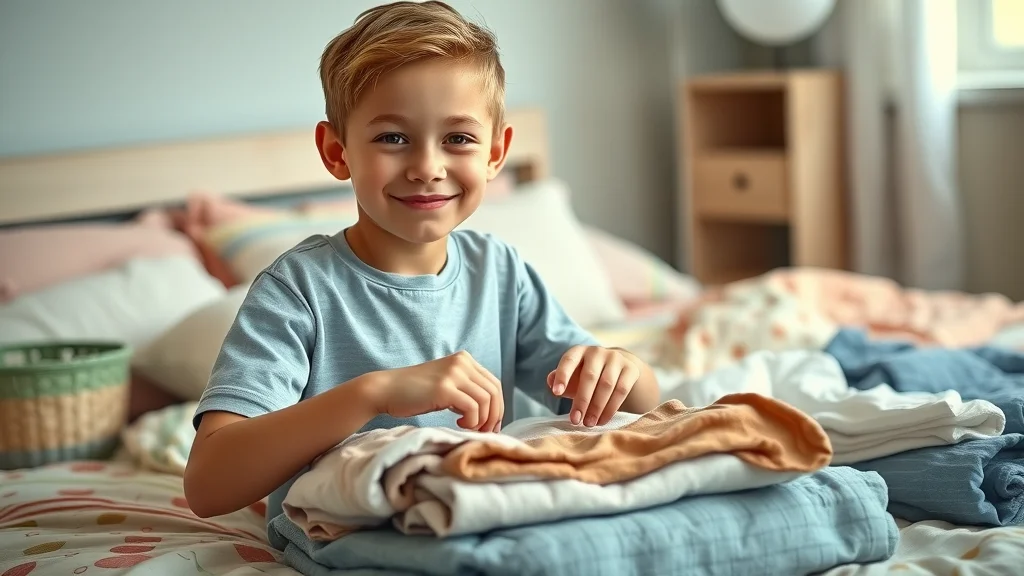
As children enter elementary school, they become more capable of managing responsibility and taking ownership of multi-step tasks. Age-appropriate chores for this group include making their beds, sorting laundry, setting the table, packing their school bags, or tidying up their rooms. These tasks offer both structure and the opportunity for children to experience rewards and consequences—such as enjoying clean clothes or missing an item for school if they forget to pack. Each successful completion encourages a “good job” mindset and builds confidence for bigger responsibilities. The goal is always to teach kids, not just to assign tasks.
Increasing Children Responsibility for Preteens and Teens
When kids mature into the preteen and teenage years, their responsibilities should grow to match their abilities and independence. Older children can handle chores such as mowing the lawn, cooking simple meals, managing their schedules, or helping younger siblings. Empowering them to take accountability for more complex tasks serves as essential preparation for adulthood, enabling them to become not just a responsible child, but a responsible adult. At this stage, teaching responsibility also involves honest discussions about time management, money, and balancing schoolwork with home expectations. Supporting independence coupled with trust helps teens internalize the link between actions and outcomes, preparing them for life after graduation.
How to Start Teaching Kids Responsibility Today
- Assess your child's readiness and strengths
- Introduce simple, consistent chores
- Model responsibility in daily life
- Encourage children to learn from mistakes

Teaching kids responsibility begins by observing your child’s interests and current abilities. Matching chores or responsibilities to their strengths builds confidence and a sense of ownership. Introducing routines and explaining why certain tasks matter helps children connect chores to real-world impacts. Adult modeling is crucial—children responsibility grows when young people see parents or teachers taking ownership, following through, and demonstrating what responsibility means. Finally, mistakes and setbacks should be treated as normal and educational, helping kids see that perfection is less important than persistence and growth.
Make Mistakes: Embracing Imperfection While Teaching Kids Responsibility
Why Children Responsibility Grows Through Experience
The journey to teaching responsibility is paved with trial and error. Kids can learn more from mistakes than from immediate success. Allowing children the chance to make mistakes—broken plates, forgotten homework, messy rooms—doesn’t indicate failure; it signals growth. When kids feel safe to mess up, they begin to build resilience and learn the importance of trying again. This hands-on experience is essential for developing lasting responsibility skills, especially when paired with supportive feedback and reflection. Children responsibility develops most powerfully when kids are given the space to solve problems and recover from setbacks.
Helping Responsible Kids Learn from Failure
Responsible kids aren’t those who never err, but those who know how to recover from setbacks. Parents and educators can help by creating a home or classroom culture that normalizes mistakes as learning opportunities. For example, when a child forgets to feed a pet, discuss how to plan better next time, rather than simply resorting to punishment. Discussing both the positive or negative consequences of choices guides kids toward a growth mindset. Encourage kids to reflect by asking, “What could we do differently?” rather than focusing on blame. Teaching responsibility means championing progress over perfection.
Find Ways to Motivate and Empower Kids While Teaching Responsibility

Creative Systems: Chore Charts, Checklists, and Rewards
One of the best ways to make teaching kids responsibility enjoyable and sustainable is to use visual and interactive systems. Tools like chore charts and checklists make responsibilities clear and give children a visual sense of progress. Sticker or magnet boards, color-coded lists, and apps designed for families can turn chores into motivating goals. Rewards—whether it’s a simple “good job,” extra screen time, or earning a small privilege—help children connect effort to outcome. The key is consistency and a focus on celebrating effort rather than just results, so children feel empowered to take responsibility again tomorrow.
Positive Reinforcement vs. Punishment in Children Responsibility
Research and parenting experts agree: positive reinforcement is more effective in teaching responsibility than punishment strategies. When children receive encouragement, praise, or appropriate rewards for effort and progress, they are more likely to repeat good behaviors and take ownership of tasks. On the other hand, reliance solely on negative consequences or harsh discipline can undermine motivation, causing resistance or anxiety. The balance is to guide, support, and set clear expectations—when children responsibility is recognized and valued, responsible kids rise to the challenge and thrive.
People Also Ask: Tackling Common Responsibility Questions
How do you teach children responsibility?
Step-by-step strategies for teaching kids responsibility effectively
To teach children responsibility, begin by modeling responsible behaviors in daily life, such as keeping promises and managing chores. Assign age-appropriate tasks and explain their value clearly. Set consistent routines and expectations, provide supportive feedback, and encourage children to take responsibility for outcomes, both positive and negative. Allow room for mistakes and use them as learning moments. Reinforce progress with positive feedback (like a simple “good job”) and gradually increase responsibility as the child grows, so that taking ownership becomes a comfortable, habitual part of their character.
What is the 7 7 7 rule parenting?
Explanation and use cases in cultivating children responsibility
The “7 7 7 rule” parenting strategy is a guideline helping families balance responsibilities, independence, and time management. The rule suggests that every 7 days parents should spend dedicated one-on-one time with their child, every 7 weeks introduce a new responsibility or challenge, and every 7 months review the child’s growth or achievements. While not universal, this approach empowers responsible kids by creating regular opportunities to practice responsibility, set meaningful goals, and reflect on progress. Using the 7 7 7 rule can help families cultivate children responsibility in a structured, supportive, and positive environment.
What are the 7 responsibilities of a child?
Listing and detailing core areas of responsible kids development
The seven core areas of child responsibility often include: (1) Respecting rules and authority, (2) Taking care of personal possessions, (3) Being kind and considerate to others, (4) Helping with household or school tasks, (5) Managing time and schoolwork, (6) Acknowledging mistakes and making amends, and (7) Showing initiative or problem-solving. These pillars serve as the foundation for growing responsible kids, ensuring children understand both the privileges and the duties that come from being a member of a household, school, or community. Emphasizing these seven areas regularly leads to well-rounded, responsible children ready for the challenges of adulthood.
At what age do kids learn responsibility?
Developmental stages and age-appropriate milestones in teaching kids responsibility
There is no single age when kids “become” responsible; the process is gradual and individualized. However, children as young as three can begin learning basic routines, while elementary-age kids can manage multi-step tasks with increasing independence. By preteen and teen years, most kids are ready to take on more complex chores, manage their schedules, and contribute to family or community life in meaningful ways. The key for parents and teachers is to pay attention to developmental readiness, provide appropriate guidance, and increase responsibilities step by step. Teaching responsibility is most effective when matched to a child’s age and abilities, with plenty of encouragement along the way.
Key Takeaways: Building Responsible Kids Through Teaching Kids Responsibility
- Start early to foster lifelong habits of children responsibility
- Engage kids with age-appropriate chores
- Normalize making mistakes as part of learning
- Reinforce progress with positivity and guidance
FAQs on Teaching Kids Responsibility
-
What chores are best for teaching kids responsibility?
Start with simple, daily chores such as making the bed, feeding pets, tidying toys, or setting the table. Match chores to the child’s age and gradually increase the level of responsibility as they grow more confident. -
How often should chores be rotated?
Chores should be rotated weekly or bi-weekly to keep children engaged, help them learn new tasks, and prevent boredom. Rotating jobs also ensures that one child does not feel overwhelmed with the same responsibility for long periods. -
What if responsible kids resist chores?
Resistance is normal. Address concerns calmly, involve children in choosing chores, explain their purpose, and celebrate small victories. Motivation can be boosted with creative systems like chore charts, positive reinforcement, or turning tasks into games. -
Are there cultural differences in teaching responsibility?
Yes, cultural norms influence expectations for children’s responsibilities. Some cultures introduce significant duties at an early age, while others prefer a slower approach. Understanding your family’s values and discussing responsibilities openly will help create a balanced environment for teaching kids responsibility.
Taking the First Step: Guide to Implementing Teaching Kids Responsibility at Home
The most critical step in teaching kids responsibility is starting today. Assess your child’s readiness, pick a simple daily chore, and model what “taking responsibility” looks like in your home. Remember, progress happens gradually—it takes a lot of patience, encouragement, and consistent effort to build responsible kids for the long run. Celebrate progress often and adapt routines as your child’s skills develop.
If you’re ready to take your approach to the next level, consider how your overall parenting style shapes your child’s sense of responsibility and self-worth. Exploring positive parenting methods can help you foster a nurturing environment where children feel empowered to make good choices and learn from their experiences. For a broader perspective on building a supportive family culture, discover how positive discipline strategies can transform your parenting journey in this in-depth guide to positive parenting. Embracing these insights will not only support your child’s growth but also strengthen your family’s connection and resilience for years to come.


Write A Comment