
Did you know that kids with consistent daily routines are 40% more likely to feel confident and organized, according to child psychology research? That surprising statistic highlights just how powerful daily routines for kids of all ages can be. Establishing predictable daily schedules doesn’t just help young children get ready for school or bedtime—it lays the foundation for emotional security, time management skills, and lifelong healthy habits for children of any age. In this comprehensive guide, you’ll learn how to build effective daily routines that work for toddlers, preschoolers, tweens, and teens, transforming everyday moments into stepping stones for growth and harmony in your family.
Why Daily Routines for Kids of All Ages Matter: Surprising Facts
“Did you know that kids with consistent daily routines are 40% more likely to feel confident and organized, according to child psychology research?”
Whether you’re guiding a curious toddler or a busy middle schooler, daily routines for kids of all ages bring powerful benefits that often go overlooked. A structured daily schedule does more than keep chaos at bay—it shapes a child’s confidence, reinforces good habits, and boosts their ability to manage daily transitions smoothly. Studies show a strong correlation between a consistent routine chart and reduced anxiety in kids. Knowing what to expect each day helps them feel safe, encourages kids to listen, and supports positive behavioral patterns. In fact, routines for kids have been shown to improve both emotional regulation and academic success, making daily routine charts an essential tool for every parent and caregiver.
Additionally, daily routines promote independence. When children follow schedules for kids that outline both structured and unstructured time, they naturally begin to adopt self-discipline and time management skills. Creating a good place to start each day with a predictable morning routine and ending it with a calm bedtime routine can make a measurable difference in your child’s overall wellbeing. By understanding and implementing daily schedules for kids, you give your child the tools they need to thrive at every stage of development.
What You'll Learn in This Guide to Daily Routines for Kids of All Ages
- The benefits of establishing daily schedules for kids at different ages
- Practical tips to build a morning routine, bedtime routine, and daily schedule
- How to use a routine chart or daily routine chart effectively
- Best practices for balancing structured daily routine and unstructured time
- Sample daily routines, lists of good habits, and expert-backed strategies

Understanding Daily Routines for Kids of All Ages
At its core, a daily routine for kids of all ages is a predictable pattern of activities that brings order and comfort to their lives. A daily schedule for kids offers structure, guiding everything from waking up and making breakfast to completing homework and prepping for bedtime. It’s not about rigid control, but rather about creating a rhythm that helps young children and older kids alike feel secure, empowered, and ready for each part of the day.
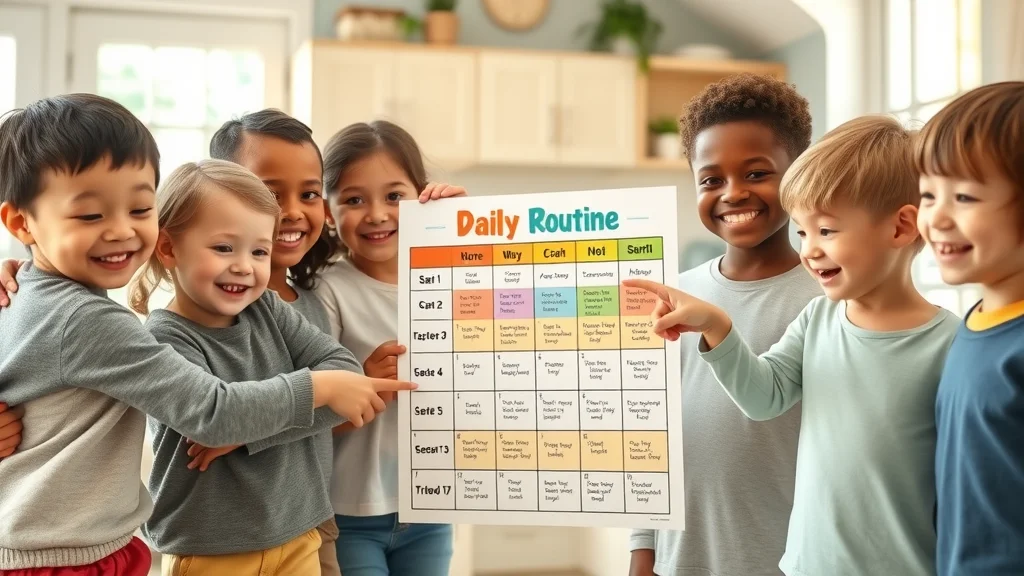
A routine chart serves as a visual anchor—whether a simple picture chart for toddlers or a tech-savvy habit tracker for teens. With the right daily routine chart, kids always know what comes next, which helps them feel organized and confident. Parents can ease power struggles and reduce anxiety by involving children in building their schedules for kids. By balancing structured daily routines with moments of unstructured time, you help nurture both independence and family harmony.
As you introduce new routines, remember that the way you guide and motivate your child can make all the difference. If you’re looking for strategies that go beyond traditional discipline and foster cooperation, consider exploring positive parenting approaches that emphasize encouragement over punishment. These methods can complement your daily routine efforts and help build a more supportive family environment.
Benefits of a Daily Routine for Kids of All Ages: Structured vs Unstructured Time
- Emotional security
- Academic improvement
- Building good habits for children
- Fostering independence
| Structured Time | Unstructured Time | |
|---|---|---|
| Definition | Planned activities with set start/end (schoolwork, chores, meals) | Flexible, child-led activities (creative play, free reading, downtime) |
| Benefits | Enhances time management, academic skills, and helps kids to listen and follow routines | Fuels creativity, emotional processing, and stress reduction |
| Challenges | Can lead to routine fatigue if over-scheduled | May cause lack of focus if not balanced with daily routines |
| Example | Homework time, bedtime routine, scheduled physical activity | Imaginative play, talking with friends, alone time |

Essential Elements: Crafting a Daily Schedule and Routine Chart for Kids
- Identifying priorities within daily routine
- Allocating time blocks using a daily schedule for kids
- Integrating visual routine charts and daily routine charts
- Balancing free play and focused activity
Creating an effective daily schedule for kids starts with identifying what matters most each day—whether that’s a healthy breakfast, focused learning time, or a relaxing evening routine. Allocating time blocks is key: Break the day into manageable segments (morning routine, after-school schedule, bedtime routine), so kids always know what to expect. Visual daily routine charts help, making it easy for young children to track their achievements and older kids to manage their own time.
Don’t forget to build unstructured time into daily routines for kids of all ages. Free play, relaxation, and creative projects fuel growth just as much as structured homework or physical activity does. The most successful daily routine charts offer a healthy mix, helping children balance their responsibilities and interests while building crucial life skills for now and the future.

Sample Daily Routines for Kids of All Ages
Daily Routines for Toddlers
- Sample toddler daily schedule
- Tips for using a routine chart
Toddlers thrive on predictability. A daily routine might look like:
- 7:00 AM – Wake and morning routine
- 8:00 AM – Breakfast
- 9:00 AM – Playtime (structured and unstructured)
- 12:00 PM – Lunch
- 1:00 PM – Nap
- 3:00 PM – Snack and outdoor play
- 6:00 PM – Dinner
- 7:00 PM – Bedtime routine
Use a simple visual routine chart with pictures to motivate toddlers. Incorporate stickers or moveable icons so little ones can mark each task as it’s completed, building their confidence and reinforcing positive habits from the start.
Daily Routines for Preschool & Elementary Kids
- Sample routine charts
- Morning routines and after-school schedules for kids
For preschoolers and elementary-aged children, a daily schedule for kids could include:
- 7:00 AM – Morning routine: wake up, brush teeth, get dressed, breakfast
- 8:00 AM – School or learning activities
- 3:00 PM – After-school snack and downtime
- 4:00 PM – Homework or creative projects
- 5:30 PM – Chores and family time
- 7:00 PM – Dinner, then bedtime routine
Routine charts at this age can blend visuals with words, including checkboxes for tasks like reading, helping with chores, or getting ready for bed. An after-school routine helps kids transition from structured learning to fun or relaxation with ease, making daily schedules for kids functional and engaging.
Daily Routines for Tweens and Teens
- Managing a daily schedule for older children
- Balancing academic, social, and extracurricular routines
Older children benefit from more autonomy in their daily routines, integrating school schedules, extracurriculars, and downtime:
- 6:30 AM – Wake, personal hygiene, breakfast
- 7:30 AM – School (in-person or remote)
- 3:30 PM – Break and snack
- 4:00 PM – Homework, study time, extracurriculars
- 6:00 PM – Sports, clubs, or family activities
- 8:00 PM – Evening routine: pack for next day, device-free wind-down, reading
- 9:30 PM – Bedtime
For this age, daily routine charts can be customized on an app or digital calendar, promoting independence and time management skills. Encourage teens to review and adjust their routines weekly to adapt to school workload or changing interests, helping them take ownership of their personal schedules for kids.

Morning Routine and Bedtime Routine: Bookending Daily Routines for Kids of All Ages
- Morning routine checklist
- Evening and bedtime routine best practices
- Importance of consistency in daily schedules
The morning routine sets the tone for the entire day. Consistent steps—such as waking up on time, eating a healthy breakfast, and getting ready independently—empower kids to start the day confident and calm. A clear morning routine checklist helps children avoid power struggles, reduces anxiety, and ensures their day begins with positive energy.
Equally important, a calming bedtime routine signals to the body and mind that it’s time to wind down. Reading together, brushing teeth, and a set bedtime are crucial for developing consistent sleep habits. Stick to similar steps every evening, even on weekends or during holidays, to maximize the benefits of daily schedules for kids. The stability of regular routines helps young children feel secure, supports learning, and keeps the whole family in sync.

Using Routine Charts and Daily Routine Charts for Maximum Impact
- Selecting the right routine chart
- Visual aids versus app-based trackers
- Customizing daily schedule charts for kids’ needs
A routine chart can take many forms: magnetic boards, sticker charts, laminated cards, or digital habit tracker apps. The best daily routine chart is one your child enjoys using—so involve them in selecting and customizing it. Young children typically respond best to colorful visuals and interactive elements like stickers or moveable icons, while tweens and teens often prefer app-based trackers that give them more control over their daily schedules.
To get the most from your routine charts, tailor them for your children’s developmental stage. For preschoolers, use images and simple checklists. For older kids, let them help plan their routines and update their own charts. Update daily routine charts regularly to reflect changes in school schedule, extracurriculars, and family priorities, and remember: consistency is key. The daily routine works best when it fits your family’s lifestyle and evolves as your kids grow.

Motivating Kids to Follow Their Daily Routines and Schedules
- Powerful motivation strategies
- Making routines for kids enjoyable
- Positive reinforcement with daily schedules and routine charts
“Routine gives children a sense of security and helps them develop self-discipline.” – Child Development Expert
Kids are more likely to embrace daily routines when routines for kids are made fun and meaningful. Consider turning routines into games: race the clock for getting ready, use reward stickers for good habits, or let kids choose a small weekend treat after a week of following the daily schedule. Involving children in setting up their own routine charts also boosts buy-in—when they help make the chart, they own the process and the outcomes.
Positive reinforcement is as important as consistency. Celebrate successes daily with high-fives, praise, or a point system. Use gentle reminders for missed steps rather than criticism. Over time, these motivation strategies help children understand the value of daily routines, turning once-challenging habits into lasting life skills that foster independence and confidence.
Adapting Daily Routines for Kids of All Ages During Transitions
- Adjusting the daily routine for new school years
- Routines for kids during travel or holidays
- Handling disruptions in daily schedules
Life’s transitions—new grades, vacations, moving, or sudden schedule changes—can disrupt the flow of even the best daily routine. The key is flexibility. When the school schedule shifts, adjust your daily routine chart together as a family and discuss the new time blocks and expectations. During holidays or travel, bring along a portable version of your routine chart or outline temporary routines to help kids adapt while maintaining a sense of stability.
If routines are interrupted for a few days, calmly walk kids through what’s changing and why, then re-establish the standard daily routines as soon as possible. Children who know there’s a reliable daily schedule—even if the details change—are better equipped to handle the uncertainty of life’s big moments.

Common Pitfalls and How to Avoid Routine Fatigue
- Recognizing signs of routine fatigue in daily schedule for kids
- Encouraging flexibility
- Incorporating downtime and unstructured time in daily routines
It’s possible to have too much of a good thing. Routine fatigue can emerge when schedules for kids become too rigid or packed, causing frustration or pushback. Signs include irritability, lack of engagement, or kids resisting activities they previously enjoyed. To avoid this, periodically review your daily routine with your child—what’s working, what needs adjustments, and where you can allow for more unstructured time.
Make sure to include downtime and free play alongside necessary structured activities. Let children help choose new hobbies or relaxing routines for kids as part of revising their daily schedule. Flexibility not only reduces stress but also teaches kids that balance is healthy, helping them develop strong, adaptable habits for the future.
Lists of 10 Good Habits for Children’s Daily Routines
- Waking up on time
- Eating balanced meals
- Keeping personal hygiene
- Completing homework
- Helping with chores
- Physical activity
- Practicing gratitude
- Limiting screen time
- Reading
- Sticking to bedtime
People Also Ask: Daily Routines for Kids of All Ages
What is the best daily routine for kids?
The best daily routine for kids is one that balances structured activities—such as schoolwork, chores, and physical activity—with unstructured time for creative play and rest. A good daily routine includes a predictable morning routine, time for meals, school, downtime, and a consistent bedtime routine. Children thrive when their daily schedules are clear and age-appropriate, so it’s important to tailor routines for kids as they grow and their needs change.
What is the 777 rule for kids?
The 777 rule for kids is a simple way to ensure a healthy sleep schedule: it suggests that children should aim for at least seven hours of sleep, seven days a week, and go to bed by 7 PM (particularly for younger children). While this specific timing isn’t perfect for every family, the principle highlights the significance of consistent sleep as part of a regular daily routine and reinforces why bedtime routines and predictable daily schedules are so valuable.
What are the 10 good habits for children?
The 10 good habits for children’s daily routines include: waking up on time, eating balanced meals, practicing consistent personal hygiene, completing homework, helping with chores, engaging in regular physical activity, practicing gratitude, limiting screen time, reading daily, and sticking to a consistent bedtime. These habits are easily supported by using a routine chart or daily schedule for kids to make managing good daily routines simple and fun.
What is a 12 year old's daily routine?
A typical daily routine for a 12-year-old might include: waking up and personal hygiene, having breakfast, attending school, reviewing the school schedule for homework or extracurriculars, enjoying some downtime or physical activity after classes, completing homework, helping with family chores, device-free winding down in the evening, and following a set bedtime routine. Tweens can benefit from more responsibility and input when creating their own daily routine chart or adjusting their daily schedule as needed.
FAQs on Daily Routines for Kids of All Ages
-
How often should a routine chart be updated?
It’s best to review and update routine charts with your child every few months or whenever there is a notable change to their daily schedule (e.g., new school year, major extracurricular activities, holiday periods). This keeps daily routines relevant and engaging. -
What if my child resists daily schedules?
Involve them in making their routine chart, give them choices where possible, and use positive reinforcement for cooperation. Aim for flexibility and balance rather than strict adherence to the schedule. -
Are digital routine charts or paper better?
Both formats can be effective. Younger children often prefer physical, interactive charts with visuals, while older kids and teens may enjoy app-based habit trackers that build their digital management skills. The best choice is what works for your family and child’s developmental stage. -
Tips for adjusting routines for holidays or weekends.
Prepare temporary daily schedules for kids in advance, keep some core parts of the daily routine (meals, sleep times) consistent, and allow for more unstructured time to accommodate special events or relaxation.
Key Takeaways for Building Daily Routines for Kids of All Ages
- Consistent daily routines improve kids’ well-being.
- Use routine charts and daily routine charts for clarity.
- Adapt daily schedules as kids grow and circumstances change.
Final Thoughts: Empower Your Family with Effective Daily Routines for Kids of All Ages
Building flexible, meaningful daily routines for kids of all ages is a gift that will support your child’s confidence, security, and independence for years to come—start today for a more organized, harmonious family life.
If you’re inspired to take your family’s routines to the next level, consider how your approach to discipline and communication shapes your child’s willingness to participate. For a deeper dive into nurturing cooperation and respect at home, explore the principles behind positive parenting and why moving away from punishment can transform your family dynamic. By combining effective routines with positive, empathetic strategies, you’ll empower your children to thrive—both in their daily habits and in their relationships with you.


Write A Comment