
Over 90% of teenagers now use social media daily—a figure that prompts urgent questions about mental health and well-being. In a world where kids often spend more time online than with family, the influence of digital platforms on their emotional and psychological development can no longer be ignored. This article unpacks the complex, sometimes unsettling reality of how social media affects kids’: the risks, the rewards, and the responsibility we all share in guiding new generations.
A Startling View: How Social Media Affects Kids’ Mental Health
"Over 90% of teenagers now use social media daily—a figure that prompts urgent questions about mental health and well-being."
Our lives are woven tightly with media platforms—especially for young people. The unprecedented use of social media raises concerns about media affect on children. What once seemed like harmless fun now shapes kids’ self-image, emotional security, and academic achievement. Recent findings highlight higher risks for anxiety, depression, and even physical health concern stemming from time on social media. Yet, recognizing that not every digital experience is negative is crucial—there are benefits of social media for kids, such as connection and learning. To truly understand how social media affects kids’, we must balance both the pitfalls and potential, acknowledging technology’s ever-expanding role in shaping society’s youngest minds.

What You'll Learn in This Editorial on How Social Media Affects Kids’ Mental Health
- The broad landscape of social media's influence on youth mindset
- How body image and mental health are interlinked through online platforms
- Research-backed pros and cons examined by contemporary experts
- Strategies to promote healthier online habits for children and teens
Understanding How Social Media Affects Kids’: Definitions and Context
Definition of Social Media in the Context of Kids’ Mental Health
When discussing how social media affects kids’, it is vital to clarify what “social media” means for young people. Social media includes popular media platforms—like Instagram, TikTok, Snapchat, and Facebook—where users create, share, and interact with content in real time. For today’s children and teens, these platforms are not just communication tools; they double as social hangouts, news sources, and hubs for creative self-expression. Yet, this ease of access also exposes kids to a stream of influences shaping body image, self-worth, and peer relationships. With internet access now considered a basic utility, the digital divide of prior generations is vanishing, and so too are the barriers between real life and the virtual world—making mental health impacts increasingly inevitable and complex.
Setting the Stage: The Ubiquity of Digital Platforms
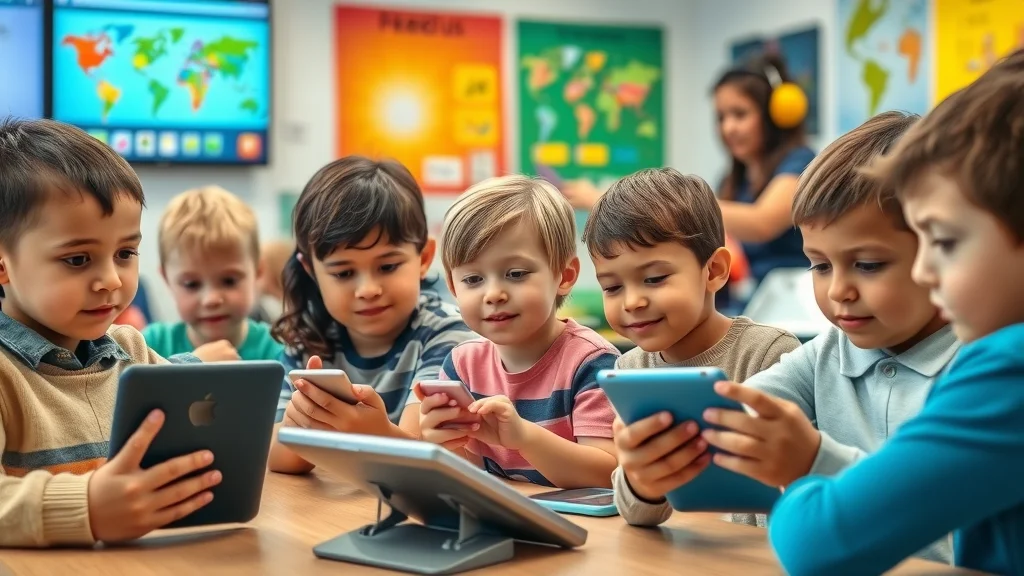
"Media affect every aspect of a modern child’s life—sometimes positively, often unpredictably."
Digital life is now as fundamental for young people as school or family. Media platforms have rapidly become central to the way children socialize, learn, and play. Statistics from the United States and globally show time on social media—hours every day—rivals time spent sleeping or engaging in physical activity. This ubiquity means that how social media affects kids’ is about more than just screen time; it’s about how digital norms infiltrate day-to-day habits, identity formation, and peer dynamics. The consequences, both intentional and accidental, extend far beyond the screen, touching every aspect of a child’s development and public health outcomes.
As families navigate these challenges, it’s important to remember that the way adults respond to children’s digital experiences can shape outcomes significantly. For those interested in fostering healthier habits and emotional resilience, exploring positive parenting strategies that move beyond traditional punishment can offer practical tools for guiding kids through the complexities of online life.
The Digital Landscape: How Social Media Affects Kids’ Development
Early Exposure: Screen Time, Social Media, and Child Development
Children are introduced to social media at increasingly younger ages. Research shows the average child receives their first digital device before age ten—a trend that blurs the boundaries between healthy engagement and overexposure. The amount of screen time kids accumulate has been directly linked to changes in attention, emotional regulation, and social skills. Excessive screen time may limit real life interactions essential to developing empathy and resilience. Experts, including the Surgeon General and leading pediatric associations, warn of the dangers of excessive screen time, citing risks such as poor sleep, increased distractibility, and mental health issues like anxiety or depression.
At the same time, research-based guidelines recommend limits for each age. Balancing time spent on social media and digital platforms with non-screen activities is vital to prevent negative outcomes and support healthy cognitive and emotional growth. Below, a comparative table highlights guidelines versus reality:
| Age Group | Recommended Max Screen Time | Average Actual Screen Time |
|---|---|---|
| 3–7 years | 1 hour | 2–3 hours |
| 8–12 years | 2 hours | 4–5 hours |
| 13–18 years | 2 hours | 7+ hours |
Mental Health Concerns Related to Social Media Affect
There is mounting evidence that social media affect children’s mental health in significant, often troubling, ways. Studies document increased rates of anxiety, depression, and self-harm among heavy users, prompting many to refer to this as an emerging public health concern. Medical professionals observe that endless scrolling and time on social media can expose young people to cyberbullying, harmful content, and peer pressures not easily escaped in real life. The link between excessive screen time and mental health conditions has become clearer, placing both parents and policymakers on high alert.
Even when children appear socially connected online, loneliness and isolation can lurk beneath the surface. This digital paradox means that more connections do not always equal authentic support. The challenge is to identify when social media platforms function as a lifeline versus when they contribute to harmful behavioral patterns—or worse, increase the risk for depression and anxiety.

Social Media Affect: Academic Performance and Cognitive Skills
The impact of social media on academic performance is growing more apparent. Too much time spent on digital platforms can reduce focus and hinder learning, with negative academic outcomes. Research shows that students heavily engaged with social media report lower grades, increased distraction in class, and difficulty absorbing new information. Unlike earlier generations whose distractions came from television, today’s kids face an ever-updating stream of information and peer input at their fingertips.
However, social media can also increase information access and promote digital literacy, especially if balanced with critical thinking skills. Teachers and parents are now tasked to help children harness the positive aspects of these media platforms, while fostering boundaries that protect cognitive growth and support consistently strong academic performance.
Body Image and How Social Media Affects Kids’ Self-Perception
The Role of Social Media in Shaping Body Image
"Constant exposure to curated online personas can distort a child's perception of normalcy and self-worth."
The media affect on body image has taken center stage in the debate about kids’ mental health. Platforms built for sharing images and videos often amplify unrealistic beauty standards, exposing children to idealized and, at times, unattainable bodies. This is especially true for preteens and teens, who are still forming their identity. As children compare themselves to filtered, edited photos, they may experience lower self-esteem, triggering a cycle of self-doubt and dissatisfaction.
The consequences of this distortion include increased risk of eating disorders, body dysmorphia, and anxiety about personal appearance. Experts warn that these issues—once rare among children—are now widespread public health challenges. It is not just girls who suffer; boys are increasingly facing similar pressures, a fact often overlooked in broader discussions of how social media affects kids’. Parental awareness and media literacy education have never been more important in balancing these influences.

Trends and Challenges: Influencers, Filters, and Self-Esteem
Today’s kids encounter relentless trends—hashtags, viral challenges, and an ongoing parade of influencers. Social media platforms are curated realities, where filters blur imperfections and highlight perfection. These features contribute to a powerful but misleading comparison trap. Many young people express feeling unworthy or inferior as a result of time on social media, with the lines between real life and online personas increasingly blurred.
Worries about body image, based on digital content and influencers, have even been linked to a rise in eating disorders and other health concerns. The constant chase for likes and validation has become part of social status—creating unhealthy cycles. Countering these trends involves not only parental guidance but also interventions from schools, public health campaigns, and responsible media platform policies designed to protect children’s self-esteem and promote a healthier digital environment.
Physical Activity and Social Media Affect on Kids’ Health
The Decline of Physical Activity: Correlation with Screen Time
The amount of time children spend on social media has another side effect: less movement. Research shows a steep decline in physical activity among youth as screen time increases. Instead of playing outdoors or engaging in sports, more kids are now indoors, immersed in virtual worlds. The proof is in public parks and gymnasiums across the United States—often emptier than in the past.
This trend isn’t just about weight gain; it also affects emotional regulation, sleep quality, and long-term health—a clear example of how social media affects kids’ both mentally and physically. Encouraging outdoor play, screen-free zones, and family-based physical activity can help balance the digital and physical in children’s lives, ensuring time spent online does not come at the expense of holistic well-being.

Oral Health, Sleep, and the Wider Health Concerns
Health professionals increasingly see wider health concerns that trace back to excessive screen time. Kids glued to screens may develop poor eating habits, irregular brushing routines, or skipped bedtimes. This can result in oral health issues—from cavities to gum problems—and exacerbate poor sleep patterns, both critical for healthy growth and school performance.
Comparative studies show correlations between digital device use and increased risk for sleep disorders, obesity, and related physical health challenges. Late-night scrolling contributes to poor sleep hygiene and fatigue, which can deepen mental health struggles like anxiety and depression. The chart below summarizes some of these issues among social media users:
| Health Concern | Low Screen Time (<2 hrs/day) |
High Screen Time (5+ hrs/day) |
|---|---|---|
| Poor Sleep | 14% | 42% |
| Obesity | 8% | 33% |
| Oral Health Issues | 10% | 25% |
| Anxiety/Depression | 11% | 32% |
Mental Health: Core Issues in How Social Media Affects Kids’
Anxiety, Depression, and the Data on Social Media Affect
As research shows, there is a measurable connection between time on social media and increased rates of anxiety and depression in kids. Some studies indicate that children who spend over three hours a day on digital platforms have up to double the risk of mental health concerns compared to their peers. The constant comparison, cyberbullying, fear of missing out, and pressure to maintain an online persona all contribute to these outcomes.
Much of today’s mental health landscape is shaped by this environment, with higher risk for both transient emotional turmoil and chronic disorders. Beyond depression and anxiety, young people may also experience difficulty regulating emotions, impulsive behavior, and challenges managing real life relationships. Early identification and intervention require collaborative efforts between parents, schools, and healthcare professionals.
Cyberbullying, Loneliness, and the Amplified Risks
"Research shows links between excessive social media use and long-term mental health issues in youth."
One of the most harrowing impacts of social media affect is the amplification of cyberbullying. Unlike traditional bullying, which usually occurs in person and within limited hours, online harassment can persist around the clock—allowing little escape for victims. Loneliness and isolation often follow, even among kids with hundreds of online "friends."
The amplified risks extend to risky behaviors, increased stress, and withdrawal from supportive real life connections. For at-risk youth, these factors can severely impact self-esteem and contribute to a downward spiral of mental health challenges. Educating kids, parents, and teachers about recognizing and responding to signs of bullying—and ensuring schools enact effective anti-bullying policies—is vital to countering these digital dangers.
Benefits of Social Media: A Balanced Perspective on How Social Media Affects Kids’
Community, Connection, and Access to Information
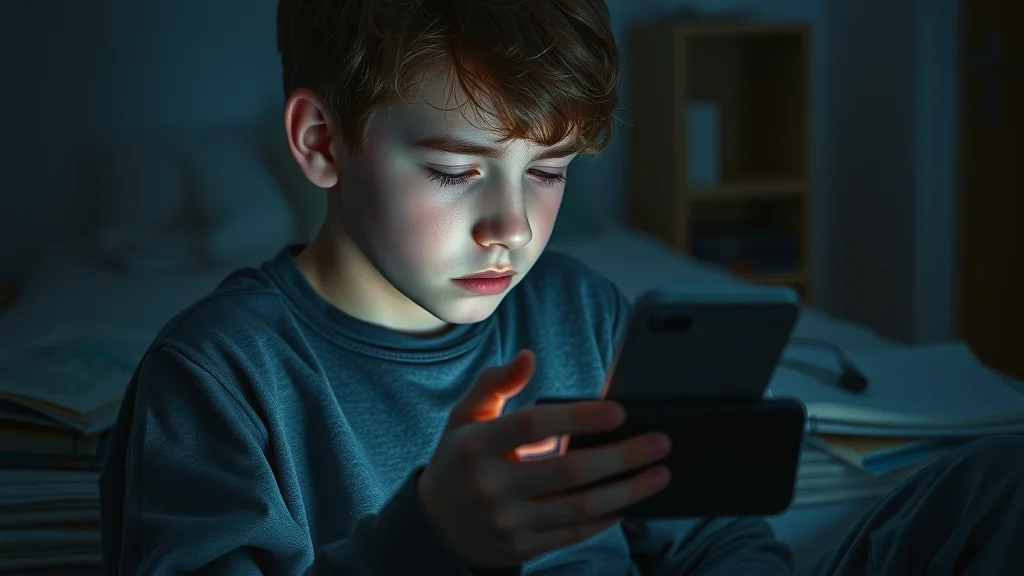
Despite concerns, there are notable benefits of social media for kids. Platforms grant young people new ways to build community, form friendships, and access support—especially for those who may feel isolated or marginalized in real life. Group chats, gaming communities, and creative forums empower kids to share stories, ideas, and support across distances. Instant access to information and diverse viewpoints can also broaden kids’ horizons and help them become more informed digital citizens.
For introverted or differently-abled children, these platforms can be lifelines for social engagement and maintaining meaningful connections. By fostering safe online spaces and encouraging positive use of media platforms, adults can help young people harness the pros of the digital world while buffering them from its hazards.

Development of Digital Literacy and Communication Skills
- Potential for positive social engagement
- Opportunities for creative expression
- Learning and access to resources
Another bright spot is the development of digital literacy and communication skills. As technology rapidly evolves, proficiency in navigating social media platforms and information online is crucial for academic and career success. Kids who learn to interpret, critique, and create digital content early are often better prepared for future challenges.
With parental guidance and structured learning experiences, these skills can be honed to support creativity, personal growth, and ethical participation in digital society. Encouraging responsible sharing, self-advocacy, and respectful engagement online are essential steps in leveraging the true benefits of social media for the next generation.
Parental Involvement: Managing Social Media Affect with a Healthy Media Plan
Tips for Setting Boundaries Around How Social Media Affects Kids’
- Establish tech-free zones and family time
- Communicate openly about online experiences
- Educate on digital literacy and critical thinking
Parental involvement is the cornerstone of positive media affect. Establishing boundaries such as no-device zones during meals or bedtime can encourage more real life connection. Open conversation enables children to share when digital experiences feel overwhelming or harmful. Teaching digital literacy and critical thinking helps children make smart choices when navigating complex social platforms or encountering online content designed to manipulate.

Media Plan: Collaborating on Healthy Online Habits
Creating a media plan as a family ensures everyone buys into guidelines and feels agency over screen time and usage. Involve kids in developing reasonable rules, like setting daily limits or choosing which platforms are appropriate based on age and maturity. Check-ins about social media affect encourage transparency and empower kids to take action—whether that means reporting bullying or unplugging for self-care.
Emphasizing problem-solving and critical reflection, rather than punishment, fosters a healthier relationship with digital technology. The goal: to steer kids toward consuming and creating content that strengthens—not undermines—their self-esteem, health, and personal values.
Emerging Research Shows the Future of How Social Media Affects Kids’ Mental Health
Ongoing Studies and Notable Findings
Researchers continually study the powerful media affect on children's mental health. New data explores how time on social media influences brain development, impulse control, and the onset of mental health problems over months and years. Some findings are alarming; others highlight resilience among young people given the right support. There’s hope for solutions: digital well-being programs, improved policy, and technological tools (like better privacy settings or content filtering) are being trialed and refined for today’s needs.
[Animated explainer video summarizing recent scientific research on social media and children’s mental health, featuring clear, simple graphics and key findings.]
The Need for Comprehensive Policy and School Interventions
The evolving understanding of how social media affects kids’ is prompting calls for policy change in schools and beyond. Mental health education, digital literacy curriculums, and anti-bullying programs are expanding as data confirms the need for systemic responses. Policymakers, educators, and mental health experts agree that a united, proactive approach is critical. Governments are exploring age-verification tools, privacy regulations, and partnerships with tech companies to protect children from known risks. School-based interventions, informed by the latest research, empower young people to build resilience, advocate for themselves, and find supportive resources when challenges arise.
People Also Ask: Common Questions About How Social Media Affects Kids’
What are the short-term and long-term effects of social media on children’s mental health?
Short-term effects of social media on children can include mood swings, anxiety, and difficulty sleeping after negative online experiences. Long-term, excessive screen time and negative interactions may contribute to persistent mental health problems like depression, poor self-esteem, and even higher risk of self-harm. However, how social media affects kids’ often depends on factors like family support and digital literacy, which can buffer against risks and help children use these platforms more safely over time.
Can social media positively affect children’s self-esteem?
While social media is often linked to negative body image and self-esteem, it can also have positive effects. Supportive communities, uplifting content, and opportunities for creative self-expression allow some kids to feel more confident and valued. The key is moderation, critical thinking, and using media platforms as a tool for authentic connection rather than as a basis for comparison or validation.
How much screen time is considered safe for kids?
Experts recommend that children aged 6–18 have no more than 2 hours of recreational screen time per day, not including time spent on schoolwork. For preschoolers, the limit is usually 1 hour. The primary focus should be on maintaining a healthy balance between digital life, physical activity, sleep, and family time. Parents can tailor guidelines for their child’s maturity and needs, always watching for signs of screen time affecting mental health, behavior, or academic performance.
FAQs on How Social Media Affects Kids’ Mental Health
-
How does cyberbullying impact mental health?
Cruel behavior online can lead to anxiety, depression, and even suicidal thoughts. Kids may feel trapped because bullying can follow them home via their devices. Early intervention, open communication, and supportive adults are essential for helping children recover. -
Are there age-appropriate platforms for kids?
Some media platforms offer special kid-friendly versions with stricter privacy and content controls (like YouTube Kids). However, even these platforms should be monitored, and parents should encourage media literacy to help protect young users from inappropriate content and online dangers. -
What warning signs should parents look for?
Signs that social media may be affecting a child’s mental health include mood changes, withdrawal from friends and family, loss of interest in activities, changes in sleep or appetite, and secretive online behavior. If these are observed, parents should check in with their child and seek professional help if concerns persist.
Key Takeaways: How Social Media Affects Kids’
- The impact is deeply nuanced—balancing harm with potential gains
- Parental guidance and open communication are crucial
- Ongoing research will continue to shape public policy and awareness
Reflecting on How Social Media Affects Kids’: A Final Word
"Ultimately, how social media affects kids’ mental health depends on our collective actions and willingness to guide the next generation safely into the digital age."

If you’re inspired to take a more holistic approach to your child’s well-being, consider how your parenting style can further support their mental and emotional health in the digital age. Embracing positive, connection-based strategies—rather than relying on traditional discipline—can make a profound difference in how children process and respond to online challenges. For a deeper dive into nurturing resilience and fostering healthy boundaries, explore our editorial on why positive parenting is more effective than punishment. This resource offers actionable insights to help you empower your child, both online and off, as they navigate today’s complex world.
Ready to Learn More or Share Your Perspectives? Join Our Ongoing Discussion Today
Whether you’re a parent, educator, or concerned community member, your experience matters. Share your insights or join our conversation to help shape a positive, healthy, and informed digital future for all children.


Write A Comment