
Did you know that missing just 30 minutes of sleep can affect your child’s mood and behavior for the entire day? Studies reveal that nearly 60% of children don’t get the recommended amount of sleep, putting their growth, development, and mental health at risk. As a parent or caregiver, understanding how much sleep do kids need is crucial for fostering healthy development, emotional stability, and academic success. In this comprehensive guide, we’ll break down the latest science, practical routines, and expert recommendations to empower you to prioritize your child’s sleep—starting tonight.

The Startling Truth: How Much Sleep Do Kids Need?
The answer to how much sleep do kids need isn’t always straightforward. While mainstream advice suggests broad age-based targets, new research highlights that genetics, environment, and health all play important roles in a child’s total sleep. According to the American Academy of Sleep Medicine, even small variations in the hours of sleep can dramatically impact a child’s physical and mental health. Establishing and sticking to a healthy sleep schedule that is tailored to your child’s developmental stage provides a foundation for sustained learning and emotional resilience.
What’s truly startling is that the consequences of lack of sleep go far beyond just crankiness or trouble waking up in the morning. Deficits in amount of sleep are directly linked to impaired memory, reduced immunity, metabolic disruptions, and higher risk of attention challenges. Sleep experts now warn that chronic sleep deprivation in childhood can have long-term effects, influencing not only immediate school performance but also future mental health and wellness. Understanding the recommended hours of sleep for each age group and recognizing the signs of insufficient sleep are essential for every caregiver.
Unconventional Facts About Kids' Sleep Requirements
Most parents think that all kids need roughly the same amount of sleep, but in reality, factors like cultural routines, the presence of technology, and dietary habits can shift recommended hours of sleep considerably. For instance, children in noisier neighborhoods may experience shorter sleep cycles, affecting their ability to fall into deeper, restorative stages. Recent studies suggest that even one hour reduction in nightly sleep can lead to noticeable dips in concentration and learning scores, comparable to missing a full day of school per week over the academic year.
Another unconventional fact: children’s natural circadian rhythm can vary, but late bedtimes not only steal hours of sleep but also disrupt hormone production that is vital for growth. Exposure to blue light from screens delays melatonin release, often pushing sleep start times later than optimal. By understanding these nuances, you can craft bedtime routines that promote healthy sleep habits and set your child up for lifelong well-being.

What You'll Learn About How Much Sleep Do Kids Need
- Evidence-based sleep hour recommendations by age
- The science behind amount of sleep for healthy development
- Understanding common pediatric sleep disorders
- Practical bedtime routine tips to help kids sleep through the night
- How blue light and lifestyle choices impact children’s sleep
Why How Much Sleep Do Kids Need Matters: The Science Behind Pediatric Sleep
The amount of sleep your child gets is as important to their health as diet and exercise. Modern science reveals that healthy pediatric sleep drives critical cognitive processes, hormonal balance, and immune responses. During sleep, the brain consolidates memories, processes emotions, and repairs cells, all of which foster academic and personal growth. Inadequate hours of sleep can disrupt these processes, leading to increased vulnerability to infections, mood swings, and difficulty managing stress.
Many caregivers underestimate just how crucial it is to protect sleep routines, especially amidst today’s busy, technology-centric lifestyles. Setting the right expectations for recommend sleep hours and understanding individual sleep cycles by age group allows for smarter parenting decisions that reinforce good sleep habits. By making sleep a family priority, you can directly influence your child’s physical and mental health outcomes for years to come.
As you work to establish healthy sleep routines, it’s also helpful to consider how your approach to discipline and daily structure can impact your child’s overall well-being. Exploring positive parenting strategies can offer practical alternatives that support emotional health and reinforce the benefits of consistent sleep habits.
Key Functions of Adequate Hours of Sleep in Childhood
During sleep, children’s bodies release growth hormones that trigger muscle development, bone strengthening, and tissue repair. Adequate hours of sleep are essential for the healthy functioning of the immune system, making kids less susceptible to colds and other illnesses. Pediatricians emphasize that healthy sleep habits also foster improved emotional regulation, reducing the risk of depression, anxiety, and behavioral issues in both childhood and the adolescent years.
Research demonstrates that good sleep assists in sharpening memory, enhancing creativity, and improving problem-solving skills—capabilities linked directly to success during the school year. The importance of maintaining regular bedtime routines and stable sleep schedules becomes clear when you consider that children experience more growth and learning during deep stages of nightly sleep than at any other time of day.
Consequences of Insufficient Amount of Sleep for Kids
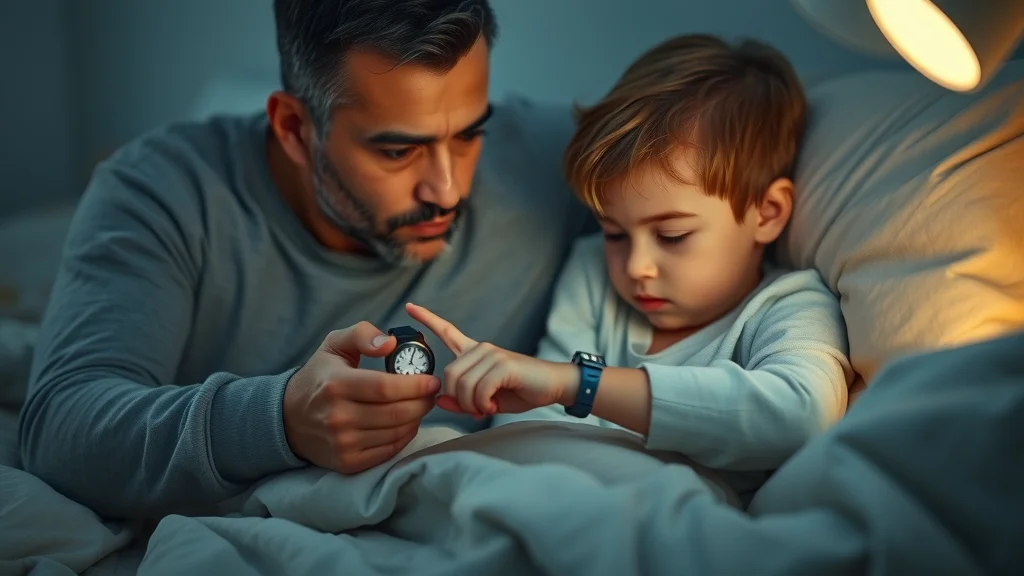
Insufficient amount of sleep in children often manifests as irritability, impulsivity, and trouble focusing both at home and in school. Chronic lack of sleep can contribute to conditions like obesity, hypertension, reduced immunity, and even depression. Cognitive effects are equally concerning: kids may experience difficulty recalling information, lag in academic performance, and struggle to fall asleep on subsequent nights, perpetuating a harmful cycle of sleep deprivation.
Over time, poor sleep habits can lead to increased risk of developing more severe sleep disorders, including insomnia, sleep apnea, and even mood disorders. According to numerous sleep medicine specialists, prioritizing a child’s hours of sleep is one of the simplest yet most profound ways to protect both their physical and mental wellbeing. These consequences highlight why the question of how much sleep do kids need can have lifelong implications.
“Quality sleep is as critical for a child’s health as nutrition and exercise.”—Dr. Elaine Sanders, Pediatric Sleep Specialist
Recommended Hours of Sleep for Each Age Group
| Age Group | Recommended Hours of Sleep | Notes |
|---|---|---|
| Infants (4-12 months) | 12–16 hours (including naps) | Regular bedtime routine essential |
| Toddlers (1-2 years) | 11–14 hours | Consistent nap schedule |
| Preschoolers (3-5 years) | 10–13 hours | Reduced napping |
| School-age (6-12 years) | 9–12 hours | Encourage sleep through the night |
| Teens (13-18 years) | 8–10 hours | Address blue light exposure |
How Much Sleep Do Kids Need? CDC and Expert Recommendations Explained
Both the Centers for Disease Control and Prevention (CDC) and the American Academy of Sleep Medicine set clear guidelines for recommended hours of sleep at each developmental stage. For example, children aged 6–12 should ideally get 9–12 hours each night, while teens require 8–10 hours. Reflecting these standards in your family’s evening routines helps guarantee not just sufficient sleep but also deeper, more restorative sleep cycles.
Experts agree that children’s modern lifestyles—characterized by increased screen time and inconsistent bedtime routines—make it harder to achieve the recommended amount of sleep. The adoption of sleep medicine interventions may be necessary for children showing persistent sleep difficulties. Ultimately, regular review of your child's sleep needs and making incremental adjustments to routines are the best approaches for aligning with these critical health recommendations.
Signs Your Child May Not Be Getting Enough Hours of Sleep
Recognizing the warning signs of inadequate amount of sleep can help you intervene before academic or behavioral problems escalate. Common symptoms include:
- Difficulty waking up
- Daytime sleepiness
- Behavioral issues
- Trouble with concentration
Kids experiencing any of these may not be completing a full sleep cycle, missing out on the stages vital for brain development and mental health. These symptoms are often mistaken for discipline issues, but are sometimes rooted in poor sleep patterns or underlying sleep disorders. Addressing these early can ensure your child doesn't fall behind during the school year and is equipped for emotional challenges.
Factors Affecting How Much Sleep Do Kids Need
No two children are alike, and a variety of internal and external factors influence how much sleep do kids need. Genetics, activity level, medical conditions, and even stress can all skew sleep requirements. Understanding these factors allows you to discern whether a slight deviation from the textbook sleep guidelines is normal or whether an intervention may be needed.
Environmental conditions, such as bedroom light, noise, and temperature, can undermine efforts to establish healthy sleep habits. The rise of nighttime screen use exposes children to blue light, which suppresses melatonin and shifts natural sleep cycles. Furthermore, social pressures and school schedules may not always align with a child’s biological needs, making it critical to tailor bedtime routines that respect their unique circadian rhythm.

Understanding Pediatric Sleep Cycles
Children move through distinct sleep cycles, typically consisting of light sleep, deep sleep, and REM (rapid eye movement) phases. Unlike adults, kids spend more time in deep and REM sleep, which are critical periods for brain growth and consolidation of memories. Any disruption to these cycles—be it from irregular bedtime routines or noise—can result in insufficient sleep and daytime drowsiness.
The transition between sleep stages also influences how easily a child wakes up or moves through the night without disturbance. Caregivers should aim to respect each child's natural sleep patterns and avoid sudden awakenings, which can leave them feeling groggy and unrefreshed. Monitoring sleep architecture helps ensure your child gets the recommended amount of sleep for optimal development.
Role of Blue Light in Amount of Sleep Deprivation
Blue light from smartphones, tablets, and televisions can wreak havoc on pediatric sleep cycles. Exposure in the hour before bed suppresses melatonin, a hormone that signals the brain to fall asleep. As a result, children not only take longer to start sleeping but may spend less time in restorative deep sleep, contributing to chronic sleep deprivation.
Establishing house rules about screens—such as no electronics an hour before bedtime—can make a significant difference. Instead, encourage winding-down activities like reading or listening to soothing music, both of which foster healthy sleep habits and enhance mental health. By limiting blue light exposure, you give your child the best chance of getting the hours of sleep they genuinely need.
Bedtime Routine Strategies for Better Pediatric Sleep
A consistent and calming bedtime routine is the cornerstone of good sleep in children. These routines teach kids when it’s time to wind down, preparing both their bodies and minds for restful sleep at night. Simple practices such as dimming the lights, turning off screens early, and engaging in relaxing activities can help kids fall asleep faster and stay asleep longer.
Families who prioritize healthy sleep habits often report better moods, improved academic performance, and fewer conflicts during the day. The key is to make bedtime routines predictable yet comforting, signaling safety and consistency. Over time, children’s bodies naturally adapt to these cues, making it easier to sleep through the night and wake up refreshed.

How to Establish Healthy Bedtime Routines
- Gradual wind-down activities
- Limiting blue light exposure
- Consistent sleep schedule
- Calm sleep environment
Start by introducing quiet-time activities 30–60 minutes before bed, such as gentle stretching or reading together. This helps signal to your child’s circadian rhythm that it’s nearly time to sleep. Next, implement a firm cut-off for electronics, which minimizes blue light interference. Maintaining a consistent sleep schedule, even on weekends, anchors the body’s internal clock, supporting regular sleep cycles.
Finally, curate your child’s bedroom to promote tranquility: use blackout curtains, keep the room cool, and add a favorite toy or soft bedding to encourage sleep through the night. These simple yet effective steps lay the groundwork for lasting healthy sleep habits that benefit children at every age.
Tips for Helping Kids Sleep Through the Night
Many children wake during the night, but you can take proactive steps to help them sleep through the night. First, check for environmental disruptions like noise or temperature fluctuations, then rule out issues like late meals or stimulating activities near bedtime. If your child has trouble settling, consider soothing routines such as reading a repetitive story, dimming the lights, and using gentle white noise or a nightlight for reassurance.
Pay close attention to daytime habits that impact hours of sleep, such as caffeine intake, excess sugar, or lack of physical activity. Encourage active play outside during the day to support circadian rhythm health. If frequent wake-ups persist, document patterns to discuss with a pediatrician, who may screen for underlying sleep disorders or recommend adjustments to your family’s bedtime routine.

Recognizing and Addressing Pediatric Sleep Disorders
Sleep interruptions that persist despite healthy routines may signal a sleep disorder. These can include conditions such as insomnia, night terrors, sleep apnea, and restless legs syndrome. Early recognition and appropriate intervention are crucial, as untreated sleep disorders can impact not only hours of sleep but also daytime functioning, immune strength, and mental health.
If you observe persistent issues—like loud or irregular snoring, repeated night waking, or ongoing daytime sleepiness—consulting with a pediatrician or sleep specialist is essential. Pediatric sleep experts can provide tailored treatment plans that address both behavioral and medical contributors to sleep disruption and restore healthy sleep cycles for your child.
Common Sleep Disorders and When to Seek Help
- Insomnia
- Night terrors
- Sleep apnea
- Restless legs syndrome
If your child has frequent difficulty falling or staying asleep, loud snoring, gasping during sleep, or excessive daytime tiredness, it’s important to act. A medical professional can determine if underlying issues such as allergies, enlarged tonsils, or neurological factors are at play. Early intervention ensures your child achieves the recommended hours of sleep and minimizes long-term consequences of sleep disorder.
Managing Sleep Disorders: Pediatric Sleep Specialist Insights
Pediatric sleep specialists offer invaluable support for families grappling with sleep disorders. They may recommend behavioral modifications, cognitive-behavioral therapy for insomnia, or medical treatments tailored to the specific diagnosis. Working closely with these experts helps establish achievable routines, proper sleep hygiene, and educating families about triggers—like blue light exposure or inconsistent bedtime routines—that can undermine recovery.
Pediatric sleep medicine focuses on holistic approaches that address lifestyle, environmental, and biological needs. This partnership empowers parents to create supportive environments for children to achieve optimal hours of sleep, thriving both at home and during the school year.
People Also Ask: How Much Sleep Do Kids Need?
What is the 10 5 3 2 1 rule for sleep?
The 10 5 3 2 1 rule offers a countdown of activities kids should stop before bedtime to achieve how much sleep do kids need.
The 10 5 3 2 1 rule is a helpful guide for evening routines: no caffeine 10 hours before bed, no food 5 hours before, no exercise 3 hours before, no work/school-related tasks 2 hours before, and no screens 1 hour before sleep. This system is designed to optimize the amount of sleep kids receive, reduce blue light exposure, and ensure that children are relaxed and ready to fall asleep at their recommended time.
Is 9pm too late for a 6 year old?
For how much sleep do kids need at age 6, a 9pm bedtime is often late if an early morning is required. Most school-age children need to sleep by 8pm for optimal development.
If your six-year-old must wake up early for school, a 9pm bedtime may not allow enough hours of sleep for their developmental needs. Children aged 6–12 require at least 9–12 hours of sleep, so aiming for a bedtime closer to 7:30 or 8pm is best to promote healthy growth, restful sleep cycles, and positive mental health outcomes.
Why does Gen Z go to bed so early?
Research shows that Gen Z prioritizes how much sleep do kids need, leading to earlier bedtimes compared to previous generations—often influenced by sleep hygiene awareness and digital detox trends.
Growing awareness about the benefits of sufficient sleep and the risks of blue light exposure have prompted many Gen Z kids, teens, and young adults to adopt earlier bedtimes. Social media campaigns, school wellness programs, and initiatives by organizations like the American Academy of Sleep Medicine have renewed focus on the importance of healthy sleep habits and regular bedtime routines in youth communities.
What is the 5-3-3 rule?
This sleep guideline focuses on pre-bedtime routines involving no screens 5 hours before sleep, no caffeine 3 hours before, and going to bed 3 hours before midnight to promote how much sleep do kids need for wellness.
The 5-3-3 rule sets progressive limits: turning off screens 5 hours before, avoiding caffeine 3 hours before, and starting your bedtime routine 3 hours before midnight. This structure encourages restoration of the natural circadian rhythm, minimizes blue light impact, and ensures children get the recommended amount of sleep they need to thrive.
FAQs on How Much Sleep Do Kids Need
-
How do sleep needs change as kids age?
As children grow, the recommended hours of sleep decrease—from 12–16 hours in infancy to 8–10 hours in the teenage years. These adjustments account for brain maturation and shifting physical demands. -
What are signs of unhealthy sleep habits?
Look for frequent mood swings, daily sleepiness, difficulty concentrating, irregular bedtimes, and trouble waking up—these all indicate potential problems with healthy sleep habits. -
Can children catch up on lost sleep?
While extra weekend sleep can help offset mild sleep deprivation, chronic lack of sleep is hard to “catch up” on and can impact long-term health. Consistency is best. -
Is it normal for teenagers to stay up late?
Teen sleep patterns tend to shift later due to natural changes in circadian rhythm. Still, it’s essential they get 8–10 hours per night for brain and emotional health. -
How do you address sleep disorders in children?
If you suspect a sleep disorder, consult a pediatrician or pediatric sleep specialist for evaluation and guidance. Prompt intervention improves both short- and long-term wellness.
Key Takeaways on How Much Sleep Do Kids Need
- The amount of sleep required changes with age.
- Consistent routines and limiting blue light are vital.
- Recognize signs of sleep disorders early.
- Consult pediatric sleep experts if problems persist.
Conclusion: Prioritizing How Much Sleep Do Kids Need for Lifelong Health
Prioritizing how much sleep do kids need is one of the greatest gifts you can give your child—laying the groundwork for lifelong health, happiness, and success.
As you continue to nurture your child’s sleep habits, remember that a holistic approach to parenting can make a profound difference in their overall development. Embracing positive, connection-based strategies not only supports restful nights but also fosters resilience, emotional intelligence, and a harmonious family environment. For a deeper dive into building a supportive parenting toolkit that goes beyond traditional discipline, discover the transformative impact of embracing positive parenting. By integrating these evidence-based methods, you’ll empower your child to thrive—both in their sleep and in every aspect of their growing life.



Write A Comment