
Hook: Imagine a child’s wide-eyed excitement as she discovers her favorite book for the very first time—her laughter echoing through the sunny living room as she asks, “What happens next?” That moment of wonder isn’t just heartwarming. It’s the spark that sets a child on a lifelong journey filled with curiosity, resilience, and joy—the very core of helping kids develop a love of learning. This guide will show you how to nurture that spark, ensuring every child can grow into a confident, passionate learner.
Igniting the Spark: Why Helping Kids Develop a Love of Learning Matters
Helping kids develop a love of learning is about more than schoolwork or good grades—it’s about preparing children for a lifetime of success, resilience, and personal fulfillment. When children love to learn, they become curious problem-solvers who eagerly explore new ideas. Numerous studies show that a genuine enthusiasm for learning leads to stronger academic performance, greater adaptability, and better emotional health throughout the school years and beyond. Whether your goal is to inspire your child to become a strong reader, foster a love for science, or simply nurture a child to love discovery, the journey begins with making learning meaningful and fun—both at home and at school. By understanding what truly motivates kids, parents and educators can create environments where learning early becomes a joyful, rewarding experience and a natural part of daily life.
Opening Story: A Child’s Journey Toward a Lifelong Love of Learning
Take Emily, a third-grader fascinated by puzzles and stories. At home, her parents built a “discovery corner” filled with books, STEM kits, and art supplies. Emily’s school supported her curiosity by inviting her to join a makerspace club. Through hands-on projects and supportive adults, she learned that challenges weren’t setbacks but opportunities. Over time, Emily’s initial excitement blossomed into a confident, self-driven passion for learning—proving that when families and educators work together to foster a child to love learning, amazing growth follows.

The Lasting Impact: Why Children Benefit from a Love of Learning Early On
When children experience the joy of discovery in their early years, that foundation shapes their attitudes toward learning for a lifetime. Early childhood is a vital period for cognitive and emotional growth; kids learn not only facts and skills but also how to persevere, take risks, and remain curious. A child who loves to learn is more willing to embrace challenges, making them better equipped for transitions across grade levels and even into adulthood. These are the great kids who ask insightful questions, seek out new experiences, and ultimately become lifelong learners, prepared to thrive amid the ever-changing landscape of the modern world.
As you explore ways to nurture a child’s curiosity and resilience, it’s also valuable to consider how discipline strategies impact motivation and engagement. For a deeper look at why positive approaches are more effective than traditional punishment, see the insights in embracing positive parenting strategies and how they support a child’s love of learning.
What You’ll Learn About Helping Kids Develop a Love of Learning
- Why fostering a love of learning paves lifelong success
- Practical strategies to inspire your child to love learning
- How to make learning fun at home and school
- The role of parents and teachers in cultivating a love for learning
The Science Behind Helping Kids Develop a Love of Learning

Understanding the Brain’s Relationship with Love of Learning
The human brain is wired to crave novelty and make connections—especially early in life. Research reveals that positive learning experiences release dopamine, a neurotransmitter associated with reward and motivation. Thus, when children’s curiosity is encouraged, their brains reinforce a loop of interest and engagement. In a nurturing environment, exploration sparks new neural pathways, making children more adaptable and resilient learners. By intentionally crafting these experiences, both at home and in school, we can foster a love for discovery that will last long beyond the classroom, supporting the development of great kids ready to take on any challenge.
Key Developmental Stages: When to Foster a Love of Learning Early
Learning early matters. From infancy through the elementary years, children pass through several critical developmental stages, each offering unique opportunities to strengthen their relationship with learning. Younger children are naturally curious—this is when parents and teachers can encourage exploratory play, support reading skills, and provide space for open-ended questioning. At every childhood stage, creating a lifestyle of learning empowers kids to see knowledge as something to be enjoyed and explored. Ultimately, the earlier families and educators step back and make learning fun, the stronger the foundation for lifelong learning will be.
How to Instill a Love of Learning in Children
Modeling a Lifestyle of Learning at Home
Children learn what they live. When parents embrace a lifestyle of learning, children see curiosity and inquiry modeled daily. This means not just helping with school work but reading books together, visiting museums, cooking new recipes, or even sharing what you recently read. Let your kids see you pursuing knowledge and asking questions. Invite them into your discoveries and highlight the joy of finding answers together. When kids see you reading or exploring, they are more likely to make choices that reflect the same excitement, helping to create a home where every day becomes a chance to inspire your child and foster a love for discovery in living rooms, kitchens, and backyards alike.
Creating Engaging and Fun Learning Experiences
A child to love learning thrives on variety and hands-on discovery. Instead of structured lessons alone, include activities that make learning fun and relevant. Try science experiments in the kitchen, history reenactments of events like the civil war, or even a simple carriage ride where you discuss local flora and fauna. The more kids can see learning connected to real life, the more natural it feels to keep exploring. The goal is for school years and home time alike to be filled with opportunities that allow children to make choices, ask questions, and celebrate finding things out for themselves.
- Hands-on activities and exploratory play
- Integrating creativity and the arts
- Making use of STEM and literacy games

Practical Strategies for Helping Kids Develop a Love for Learning
Fostering a Growth Mindset: Key to Inspire a Love for Learning
Kids who believe their abilities can grow through effort are more likely to persist through challenges and setbacks. This growth mindset can be ignited by praising hard work, progress, and strategy rather than innate intelligence. When a child encounters a tough problem—like struggling with a new math concept or feeling overwhelmed with a reading curriculum—acknowledge the effort and celebrate how each attempt brings learning. Remind kids that every mistake is a step toward growth. By shifting praise from results to resilience, we help children see that learning early is about embracing the journey, not just racing toward answers.
Encouraging Curiosity and Asking Questions
One of the simplest ways to inspire a love of learning is to encourage questioning. Create an environment where “why?” and “how?” are celebrated, not dismissed. Take time to listen and explore answers together. Whether your child is fascinated by a recent reading curriculum or wants to know more about how a computer works, show enthusiasm for their inquiries. When parents and educators share in this curiosity, children learn that learning is a shared adventure. Use a lot of time for open dialogue, and don’t shy away from saying, “Let’s find out together!”—building the foundation for a child to love the lifelong discovery process.
The Role of Praise and Positive Reinforcement in Cultivating a Love of Learning
Praise and reinforcement are powerful tools in helping kids develop a love of learning. Rather than applauding only perfect scores or easy wins, celebrate effort, creativity, and improvement. Positive feedback boosts self-esteem and increases intrinsic motivation, encouraging children to keep trying new things. When a child completes a project or persists through struggle, mark the moment—a high five from a supportive teacher, a proud note on the fridge, or simply acknowledging their determination. Over time, these small moments of recognition transform into a lasting love for learning, helping great kids believe in their own potential.

Building the Foundation: The Home and School Connection
How Parents Can Foster a Love of Learning Early
Parents are children’s first teachers. By playing, reading, and talking with children every day, parents help foster a curiosity-driven lifestyle of learning. It can be as simple as asking open-ended questions at dinner, exploring nature in the backyard, or getting involved in school activities. Supporting children’s interests—even if they change from week to week—signals that curiosity and discovery are always valued. Families who dedicate consistent time to shared learning create a secure environment where kids feel excited to learn new things, regardless of age or ability.
Working with Educators to Inspire Your Child’s Love of Learning
Collaboration between home and school is essential. Communicate regularly with teachers and take a proactive role in your child’s education. Attend parent-teacher conferences, participate in classroom events, and exchange strategies for keeping learning fun and engaging. When families work with educators to align goals and opportunities, school becomes an extension of the supportive, curiosity-driven learning culture built at home. Together, parents and teachers build great kids who embrace learning as both a joyful right and a responsibility.
Family Habits That Create Great Kids with a Passion for Learning
Developing routines that foster curiosity and growth are at the core of raising great kids with a passion for learning. Daily reading, open-ended play, family discussions about world events or favorite books—these small, consistent habits are a powerful way to instill a love for learning. Make time each week for special learning projects, like starting a book club, conducting simple science experiments, or taking an educational field trip. As these habits become natural, kids see learning as a way of life, not just something that happens in school.

Common Challenges and Solutions in Helping Kids Develop a Love of Learning
Recognizing Barriers to Learning Fun and Engagement
Even the most enthusiastic learners can face barriers. Sometimes, pressure for performance, anxiety about school work, or a lack of personalized learning opportunities can sap the joy from discovery. Recognizing signs, such as withdrawal from activities, avoidance of homework, or negative self-talk, helps parents and teachers act early. By staying observant and open, adults can step back and tailor experiences to reignite curiosity—further helping kids develop a love of learning, even when it seems hidden under the stresses of daily life or academic challenges.
Tips for Overcoming Resistance and Reigniting the Spark
If a child becomes disengaged, shift to learning experiences that play to their strengths and interests. Integrate movement, creative arts, or games. Switch up routines, and give kids more autonomy to make choices about what and how they want to learn. Connect school content to real-world scenarios—such as building a model to understand the civil war, or applying math in everyday activities. Sometimes, all it takes is a new approach or the chance to talk without pressure for a child to rediscover their natural love for learning.
Quotes: Words of Wisdom from Leading Educators on the Love of Learning
"Children are not things to be molded, but are people to be unfolded." — Jess Lair
"It is not what you do for your children, but what you have taught them to do for themselves, that will make them successful human beings." — Ann Landers
The 3 3 3 Rule for Kids: What Does It Mean for Learning?
Explanation and Application to Encourage Love for Learning
The “3 3 3 rule” for kids is a simple guideline designed to bring balance and structure to young children’s days—three meals, three activities, and three quiet periods. This approach addresses not just academic needs, but the holistic development of body and mind. By ensuring routines that incorporate learning fun (such as creative projects or playful exploration), quiet reflection (like reading or downtime), and diverse activities, parents help create an environment where learning is a natural, enjoyable rhythm. This approach supports consistency and flexibility, important ingredients for helping kids develop a love of learning and resilience from an early age.
Alternative Ways to Say 'Love of Learning' and Why Language Matters
- Passion for knowledge
- Curiosity-driven learning
- Enthusiasm for discovery
- Joyful exploration
Using language that excites and motivates children is crucial. When we describe a child as curious or enthusiastic, we send a message that the process matters as much as the result. This nuance helps foster a growth mindset—so that children are inspired not just to learn, but to enjoy the adventure of discovery every day.
The 5 C’s of Teaching to Foster a Love of Learning
| C | Description | How Each Supports a Love of Learning |
|---|---|---|
| Curiosity | Encouraging questions and exploration | Develops independent learners |
| Critical Thinking | Fostering analysis and reasoning | Empowers problem-solving |
| Creativity | Valuing imagination and innovation | Makes learning fun and relevant |
| Collaboration | Group learning and teamwork | Promotes communication |
| Communication | Sharing ideas and feedback | Builds confidence |
Real-World Examples: Families and Schools that Inspire a Love of Learning
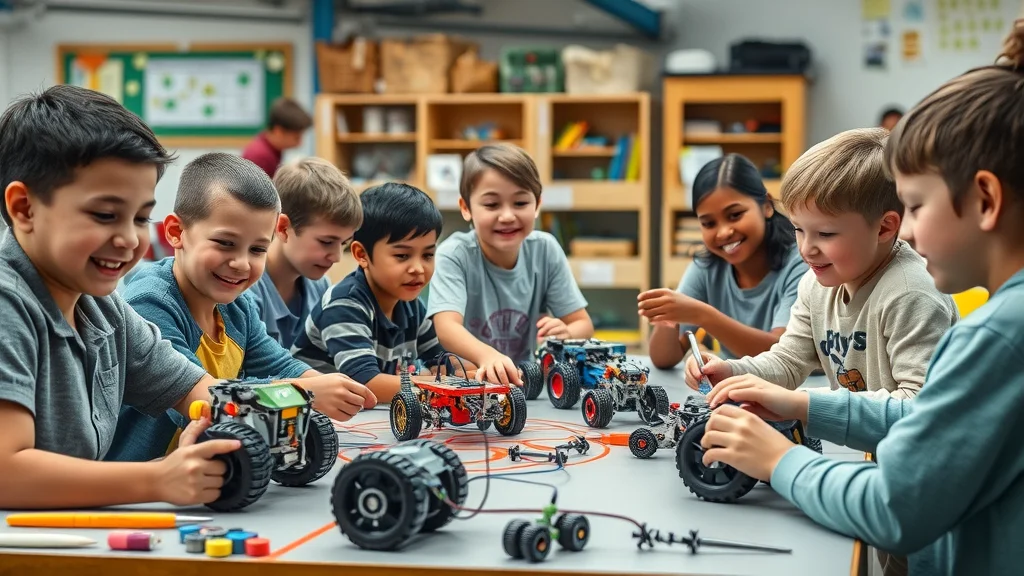
- Case study: An elementary school’s STEM initiative sparked widespread enthusiasm, with students collaborating on robotic vehicles and showcasing their work at community fairs.
- Home learning projects—such as making historical costumes for a “living museum” day—ignited a passion for discovery in children who had previously struggled with traditional schoolwork.
- Book clubs and reading circles for children built strong readers and encouraged lively discussions, proving that when learning fun meets social connection, kids become invested, confident learners.
People Also Ask on Helping Kids Develop a Love of Learning
How to Instill a Love of Learning in Children?
Answer: Focus on building curiosity, provide diverse learning opportunities, and model excitement about learning yourself.
What is the 3 3 3 Rule for Kids?
Answer: The '3 3 3 rule' helps parents set consistent boundaries and routines—three meals, three activities, three quiet times per day—supporting holistic learning development.
What is Another Way to Say Love of Learning?
Answer: Alternate terms include 'curiosity,' 'passion for discovery,' and 'enthusiasm for learning.'
What Are the 5 C’s of Teaching?
Answer: The 5 C's of teaching—curiosity, critical thinking, creativity, collaboration, and communication—help foster a love of learning in children.
Watch: Creative Ways to Make Learning Fun at Home
Watch: Teacher Tips for Cultivating a Love for Learning in the Classroom
Frequently Asked Questions (FAQs) About Helping Kids Develop a Love of Learning
- When should you start fostering a love of learning? It’s best to start as early as possible—infancy through preschool sets an ideal foundation for nurturing curiosity, but it’s never too late to help a child rediscover joy in learning.
- What are some small daily activities that inspire curiosity? Try nature walks, cooking together, reading new stories, or exploring “why” questions during simple errands. Little moments, repeated often, spark lifelong enthusiasm.
- How can technology help or hinder this process? Used wisely, technology offers innovative ways for kids to explore topics deeply and creatively. Set limits and focus on interactive, educational content that complements hands-on learning.
- Is there a best age to make learning fun? Learning is best when it’s consistently enjoyable—so from toddler years through adulthood, making learning fun builds positive associations and readiness to embrace challenges.
- What warning signs show a child is losing interest in learning? Look for withdrawal from favorite activities, reluctance to try new things, chronic frustration, or negative comments about school or abilities. These are signals to step back and explore new, engaging approaches.
Key Takeaways for Helping Kids Develop a Love of Learning
- Children thrive with encouragement, curiosity, and positive reinforcement
- Consistency at home and school builds a lasting love for learning
- Creative activities and questioning are central for growth
- Parental and teacher collaboration is vital
Your Turn: Take the First Step in Helping Kids Develop a Love of Learning Today
Conclusion: Every moment is an opportunity—spark curiosity, model a passion for learning, and watch your child grow into a confident, joyful lifelong learner.
If you’re ready to take your approach to the next level, consider how your parenting style shapes your child’s relationship with learning and discipline. Exploring the benefits of positive parenting can reveal powerful ways to encourage growth, resilience, and intrinsic motivation in children. For a broader perspective on nurturing well-rounded, confident kids, discover the principles behind why positive parenting outshines traditional punishment and how it can transform your family’s learning journey. Embracing these strategies not only supports a love of learning but also builds the foundation for lifelong success and emotional well-being. Start your journey toward a more connected, empowered family today.


Write A Comment