• Home
  • Categories
    • Parenting Basics & Family
    • Child Development
    • Behavior & Discipline
    • Education Support
    • Health, Safety & Wellness
    • Parent Self-Care
    • Online & Social Media
    • Special Challenges
Raising Kids Well!
Solutions for Everyday Parenting
Tips and Guidance for Raising Confident, Happy Kids
November 08.2026
4 Minutes Read

Explore the 2026 Kids' Gifts Everyone is Raving About

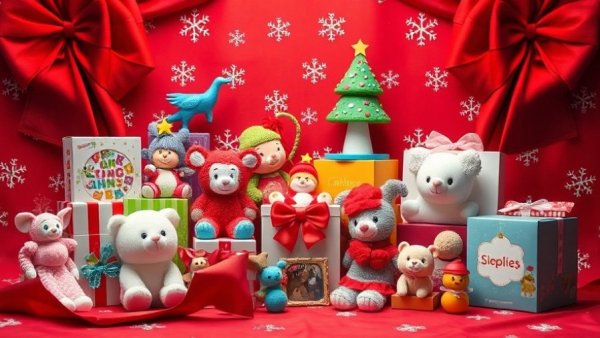
Festive kids' gifts 2026 assortment with toys and clothing.

2026's Top Kids' Gifts: What Every Parent is Buzzing About

Every holiday season, the quest for the perfect kids' gifts turns our family group chats into lively discussions filled with links and recommendations. From the latest trends to classic toys that stand the test of time, it's crucial to stay ahead of what's hot to ensure you’re picking the most desirable gifts. This year, parents are especially focused on choosing products that not only entertain but also educate, promote social skills, and ignite creativity. As we roll into this year's gifting season, here’s a curated list of children's presents that are not only being discussed among parents but are also making waves in the playgrounds and living rooms across the country.

Playful Learning: The Lovevery Play Kits

For the youngest members of your family, the Lovevery The Free Spirit Play Kit is a stellar choice. With a price tag of approximately $132, these kits are crafted by child development experts to cater to specific age ranges. Each kit focuses on the developmental milestones of toddlers, delivering toys that foster creativity and imaginative play. The thoughtful design propels children into a world where they can explore independence while learning through play—a serious win-win for parents seeking educational gifts. Beyond mere entertainment, these kits include a variety of engaging and age-appropriate activities that can be easily integrated into daily routines, making them a hit not just during the holidays but all year round.

Sticker Mania: The Sticki Rolls Band Capsule

For kids in the sticker and collectible frenzy, the Sticki Rolls Band Capsule at just $4.99 has become a must-have item. With each roll revealing a surprise set of collectible band stickers, this gift is perfect for encouraging social interactions among friends. Children not only love trading these stickers but also find joy in comparing what they have, sparking conversations and even friendships. Small, inexpensive, and bursting with excitement when unwrapped—it's the face of a winning holiday gift. This simple toy exemplifies how kids today are drawn to experiences that foster social connections, illustrating the importance of play in developing communication skills.

Safely Communicating with the Tin Can Phone

As smartphones dominate the market, finding alternatives for younger kids can be challenging. The Tin Can Phone offers a fresh approach, priced at $100. Designed as a Wi-Fi landline, it bypasses screen time while allowing kids to maintain contact with family and friends. Parents can curate a safe contact list via an app, ensuring their kids can make voice calls without stumbling into the complexities of the internet. In this age of technology, giving children the freedom to communicate safely is incredibly valuable. This product acts as a middle ground, easing kids into the concept of phone communication without all the digital distractions. Moreover, parents can take comfort in knowing that their children are using the device for healthy social interactions rather than for unrestricted internet browsing.

Balance Boards: A Family-Friendly Gift

If you’re on the lookout for something physical yet suitable for indoor play, consider the Gibbon SlackBoard Plus priced at around $172.49. This balance board is not only engaging for children but doubles as a fun exercise option for adults after the kids have gone to bed. Plus, no wrapping is needed—just let the fun begin! This unique design encourages balance, coordination, and physical activity while serving as a creative outlet for kids. It allows them to develop their motor skills and confidence in a playful way, which is especially beneficial during long winter months when outdoor play might be limited. Incorporating physical activity into play is essential for overall health and well-being, making this an ideal gift that aligns with families' increasing focus on fitness.

The Timeless Appeal of Melissa & Doug

Last, but certainly not least, the Melissa & Doug Cheery Lane House Play Set remains a cherished classic priced at $34.99. This beautifully crafted wooden dollhouse grows with children as they indulge in open-ended storytelling and imaginative play. Such a timeless gift encourages creativity and collaboration among peers, fostering emotional growth and learning through play. This dollhouse isn’t merely a toy; it becomes the heart of playtime adventures. Its durable design means it can withstand years of spirited play, often becoming a childhood keepsake passed down through generations.

Why Thoughtful Gifting Matters

As we dive into the details of these hot gift trends, it’s important to remember the value behind each selection: they promote social skills, creativity, and independent play, making them rightfully popular in this year’s gifting discussions. Gifts that encourage interaction, learning, and physical activity are important in shaping well-rounded children. Moreover, they inspire worthwhile experiences that can strengthen family bonds and spark imaginative play among peers.

Conclusion: Finding the Right Gift

This holiday season, whether you’re looking for something educational, engaging, or just plain fun, there’s sure to be an option here that your kids will love. Consider not just the immediate joy a gift can bring but also its potential to contribute to your child's development and relationship-building skills. Gift wisely, share joyfully, and watch your children thrive.


Parenting Basics & Family

Write A Comment

*
*
Please complete the captcha to submit your comment.
Related Posts All Posts

Unlocking Parenting Strategies: Top Books for Connecting with Teens

Update Navigating the Teenage Years: Essential Parenting Books As parents, we often find ourselves standing at the cusp of understanding our teenagers—those complex, ever-changing individuals wrestling with their identities and emotions. With the challenges of navigating adolescence, such as academic pressures and developing social skills, it's no surprise that many parents turn to literature for guidance. Here’s a curated list of essential books that not only decode the teenage brain but also enhance communication and facilitate emotional regulation, ultimately leading to a more harmonious household. The Teenage Brain: A Journey into Understanding Understanding adolescent brain development is an eye-opening experience. Books like Brainstorm by Dr. Daniel Siegel provide profound insights into the teenage psyche. Siegel details how the teenage years are not just about rebellion but are, instead, a period marked by creativity and independence. By comprehending the biological and psychological changes occurring during this time, parents can better empathize with their teens, easing frustration and opening pathways for dialogue. Such understanding helps in recognizing that impulsive behavior often stems from brain development stages rather than outright defiance. Effective Communication with Teens: Bridging the Gap Communication can often feel like a game of charades with teenagers. Enter How to Talk So Teens Will Listen and Listen So Teens Will Talk by Adele Faber and Elaine Mazlish. This book equips parents with practical, engaging strategies to foster open communication. Whether addressing conflict or enjoying everyday conversations, these techniques empower parents to connect meaningfully with their teens, reducing misunderstandings and reinforcing trust. It encourages parents to listen actively and validate their teens' feelings, fostering deeper connections. Remember, the goal isn’t just to talk but to understand. Emotional Intelligence: Supporting Your Teen's Feelings Emotional regulation is essential for adolescents, and resources like The Emotional Lives of Teenagers by Dr. Lisa Damour provide insights into navigating intense emotions. Teenagers experience a spectrum of feelings, often with overwhelming intensity. Damour offers relatable scenarios and effective coping strategies, helping parents cultivate an understanding environment. Just as importantly, it encourages teens to articulate their feelings, fostering resilience. This isn't just about managing emotions; it’s about equipping teens with skills they will carry into adulthood, helping them navigate future relationships and life challenges. Connecting with Your Teen Through Relationships Parenting teenage boys and girls comes with distinct challenges, which is where books such as Masterminds & Wingmen by Rosalind Wiseman and Untangled by Dr. Lisa Damour shine. They delve into the dynamics of teenage friendships, relationships, and the social pressures teens face today. Understanding the complexities of these peer connections can help parents provide support and guidance without appearing overbearing. Recognizing these patterns not only helps parents provide support but also fosters deeper connections that can serve as a foundation for open discussions about relationships and social dynamics. The Digital Age Dilemmas: Navigating Social Media and Peer Pressure In today’s digital landscape, understanding the influences of social media is crucial. With the rise of technology, books like Your Teenager Is Not a Problem by Dr. Jenifer Madson delve into managing the risks associated with digital interactions. By providing a comprehensive look into how technology impacts social dynamics, these books empower parents to set healthy boundaries while allowing their teens to safely explore online worlds. They emphasize checking in with teens about their online interactions and providing guidance on navigating digital citizenship, an essential skill in today's society. Real-Life Science: The Value of Psychological Insights Many of these recommended books stem from rigorous scientific research, offering the modern parent invaluable tools. For instance, The Teenage Brain by Dr. Frances E. Jensen merges cutting-edge neuroscience with practical implications, shedding light on risk-taking behaviors that might seem perplexing. Books grounded in psychology help demystify the often-frustrating behaviors of teenagers and instruct parents on crafting informed and appropriate responses to their teenagers’ actions. By understanding that some of this behavior is underpinned by biological urgency, parents can respond more compassionately. Where to Go for More Help: Join a Parenting Community For those seeking ongoing support, consider joining forums like the Everlief Parent Club. This platform offers a space for parents to connect, share experiences, and discuss challenges. Here, discussions on your challenges and experiences become a part of a collective learning process, where expert guidance and shared wisdom can provide a lifeline during tricky teenage years. Collaborative problem-solving can be incredibly empowering, highlighting that you are not alone in this parenting journey. Final Thoughts: Embracing the Teenage Adventure Parenting teenagers is undeniably a challenging adventure. However, arming yourself with the right resources is vital to navigating this unpredictable landscape. The selected books provide insightful strategies that help create a nurturing and supportive environment for growth. As parents, embracing these ideas can foster resilience and understanding—skills that benefit both parents and teens alike as they traverse the complexities of this life stage. So, pick up one (or all!) of these books, dive into understanding the teenage world, and transform the chaos into a journey of discovery and connection. Remember, the goal is to not only survive the teenage years but to enjoy this time of growth and exploration with your child, forging a stronger bond as they prepare to step into adulthood.

How to Navigate Boomer-Parent Conflicts: Strategies for Lasting Conversations

Update The Generational Divide: Understanding Boomers One of the most painful realizations for adult children is that their parents, especially Boomer generation parents, may not change in the ways they hope for. This realization can hit hard, leaving many feeling trapped in a never-ending cycle of miscommunication. The stark contrast between how we express ourselves emotionally today and how Boomers were raised creates a disturbing gap in understanding. As adults, many of us grapple with the challenge of wanting our parents to understand us while also recognizing the limitations imposed by their upbringing. Why Emotion Often Gets Lost in Translation Many Boomers were raised in a time when emotional expression was limited or even discouraged. Feelings were often considered private matters, and parents focused heavily on discipline as a form of character-building. Thus, when an adult child attempts to voice feelings of hurt, their parents may defensively counter with justifications, believing their worth as parents is being questioned. This can be baffling for children who are simply seeking connection and understanding. By adhering to a specific set of standards regarding love that differ from current societal norms, Boomers often feel guilty or inadequate when their child calls for emotional support. This generational gap in emotional literacy can leave adult children feeling isolated, as their quest for validation is met with confusion or defensiveness. Breaking the Stalemate: Strategies to Connect To alter these cyclical conflicts, the approach to communication needs to shift significantly. Adult children must recognize that their parents might not have the same emotional vocabulary. It’s essential for adult children to reframe their requests when dealing with their parents. Instead of entering a conversation steeped in expectations about how their parents should react, it's beneficial to assess what kind of response they can realistically expect given their parents’ background. For example, rather than demanding acknowledgment of a pattern of emotional neglect, a more tactful request could be: “When I share my difficulties, I need you to listen first before suggesting solutions.” This refocused approach provides a clearer path towards opening the lines of communication while reducing the chances of escalating defensiveness from the parent. Furthermore, setting the tone of the conversation can also encourage parents to be more receptive to their child's feelings. Immediate Effects of Changing Your Approach By voicing clearer, more manageable requests, both parties can feel more understood. Adult children can still address the emotional wounds they carry, while parents can feel appreciated for the background they come from. This shift can help mitigate the defensive postures that often lead to stalemate arguments. Interestingly, parents might surprise their children with their ability to adapt and listen when approached differently. It’s not uncommon for parents to want to connect but simply struggle with the emotional language needed to do so. Understanding the Emotional Vocabulary Gap Many times, adult children might feel unheard because their parents lack the words to express their emotional understanding. Most Boomers were taught to keep silence around feelings or to uphold a strong exterior, leaving them unprepared for meaningful emotional dialogue. Adult children can bridge this gap by facilitating conversations in simpler terms and guiding their parents toward a more profound emotional depth without confrontation. For instance, taking the lead in expressing emotions or even modeling vulnerability can create a safe space for dialogue. Tools for Successful Conversations Here are a few practical tips to enhance communication between adult children and their Boomer parents: Role Reversal: Try explaining how you would approach a similar situation. This aids understanding by showcasing empathy and allowing parents to step into their child’s shoes. Shared Experiences: Discuss mutual experiences, reaffirming love and connection, which can remind parents that the adult child is not out to argue but to improve relationship quality. Sharing stories from the past can remind both parties of their bond. Be Patient: Change takes time, especially for parents who may find adaptability challenging. Steady effort can lead to gradual improvement, reinforcing the idea that the goal is to enhance communication rather than to win an argument. Use Positive Reinforcement: When a parent shows effort toward understanding, acknowledging this progress can go a long way. Simple phrases like "I appreciate that you listened" can motivate further positive interactions. Emotional Check-Ins: Schedule regular times to check in emotionally without any conflict. A simple chat over coffee or during a walk can create a more relaxed environment to discuss feelings openly. Conclusion: A Call for Healthy Communication To address these emotionally charged topics without falling into the traps of misunderstanding or defensiveness, adult children must approach their Boomer parents with empathy, patience, and clear communication. By actively shaping conversations toward healthier emotional exchanges, we can bridge the gaps born of generational differences—enhancing relationships and paving the way to deeper understanding. The ultimate goal is to foster a relationship based on mutual respect and emotional connection. As we navigate this path, not only can we improve our interactions with our parents, but we also model healthy communication for the next generation, breaking the cycle that has persisted for so long.

Reimagine Your Baby's Identity with Unique Old-Fashioned Girl Names

Update Rediscovering Vintage Charm: The Allure of Old-Fashioned Names In a world where baby names often trend towards uniqueness, many parents find themselves drawn to vintage monikers that not only evoke nostalgia but also hold a deep sense of charm. Old-fashioned girl names have resurged in popularity as parents look for timeless choices that stand apart from contemporary favorites like Ava or Olivia. This growing interest reflects a broader trend where parents are celebrating their heritage and embracing names that offer more than just a label. Why Old-Fashioned Names Are Making a Comeback There’s a growing sentiment among expecting parents that names are more than mere labels; they are a part of a child’s identity. Vintage names, often intertwined with familial history or cultural significance, capture a story that future generations can hold onto. Names like "Agatha"—which means "good" or "honorable"—not only come with a rich past but offer children a sense of pride and uniqueness from the moment they are born. This emotional connection can significantly impact how children view themselves as they grow; having a name with history encourages them to embrace their roots while standing out among peers. Charming Choices: A Fresh Take on Baby Girl Names Much like fashion cycles, names follow trends. As some names fade into the background, others step forward to claim their place as modern classics. Here are several old-fashioned gems worth considering: Agnes: With its Greek origin meaning "pure,” this name not only brings a sense of innocence but also offers the adorable nickname of "Aggie"—perfect for a charming little girl. Augusta: A name that carries with it an air of majesty and strength. Translated as "venerable,” Augusta has a regal touch—an excellent choice for parents wanting an elegant name. Barbara: Meaning "foreign" or "strange,” this classic name provides a sense of familiarity while remaining distinctive. With nicknames like "Babs" or "Barbie," it's versatile as well. Elspeth: A beautiful Scottish name that provides a modern twist to a beloved classic. Meaning "God’s promise," Elspeth has a lyrical quality that many parents find enchanting. Bernadette: This name, meaning "brave bear," offers the endearing nickname “Bernie,” making it a blend of strength and sweetness. With roots in both French and German heritage, Bernadette carries a sense of timeless elegance. Cicely: While historically uncommon, this name has a charming vintage feel, meaning "blind of self." Its rarity adds to its allure, appealing to parents looking for something distinct. Connecting to Tradition Traditional names often link generations together. In families where naming conventions are important, choosing a name like “Bernadette,” which means "brave bear," gives parents a chance to honor mothers or grandmothers while bestowing a unique identity upon their child. Each time the name is spoken, parents can share stories of a beloved ancestor, ensuring that ties to family history remain alive. The significance of the name blooms as the child grows, giving them a narrative to explore. This connection can help children feel a sense of belonging and identity, which is essential in their formative years. Modern Twists on Classic Names Contemporary parents are now blending old and new, modernizing names to create unique, hybrid forms. For instance, the name “Beryl” regains a fresh twist as it means "light green semiprecious gemstone." This blend of history and modernity allows parents to both honor tradition and celebrate individuality. Couples often find joy in combining names or altering spellings to create something unique yet familiar to them. Not only does this creativity personalize their child's name, but it also reflects the parents' journey and interests. The Emotional Connection Behind Name Selection Choosing a name can be emotional. Many parents hope to endow their little ones with strength and positivity through the meanings behind names. For example, "Beulah", meaning "bride", evokes a journey of growth and new beginnings. This name also serves as a gentle reminder of love and commitment. Thus, not only do names like this echo sentiments of the past, they create an aspirational future for the children who carry them. Parents aim for names that inspire confidence and resilience, fostering traits that are beneficial throughout life. The Trend of Unique Spellings and Alternative Forms Another facet of the resurgence of vintage names is the trend towards unique spellings or alternative forms of traditional names. Parents are getting creative, taking classic names and giving them a fresh twist that aligns with modern sensibilities. For instance, names like “Alivia” instead of “Olivia” or “Jaedyn” instead of “Aidan” allow for individuality while still drawing from the named tradition's roots. These unique variations often have a personal story attached, making them even more meaningful. Final Thoughts: Why Choose Unique Vintage Names? As trends fluctuate from year to year, one thing remains constant: the desire for names that resonate. Uncommon old-fashioned names offer endless possibilities not only for personal connection but also for individuality. Whether it’s the charm of a name like “Cicely” or the uniqueness of “Elspeth,” these vintage choices provide parents with the opportunity to embrace their child’s future with confidence. They serve as a bridge connecting the past with the future, creating a unique identity that children can cherish. Next time you find yourself caught in the sea of popular names, take a step back and consider the beauty of old-fashioned girl names. They may hold just the right charm to carry your little one into the world, resonating with warmth and character that is often lost in more contemporary naming trends.

© 2026 PIP Consulting, LLC All Rights Reserved. 3773 Howard Hughes Parkway South Tower, Suite 500, Las Vegas, NV 89169-6014 . Contact Us . Terms of Service . Privacy Policy

eyJjb21wYW55IjoiUElQIENvbnN1bHRpbmcsIExMQyIsImFkZHJlc3MiOiIzNzczIEhvd2FyZCBIdWdoZXMgUGFya3dheSBTb3V0aCBUb3dlciwgU3VpdGUgNTAwIiwiY2l0eSI6IkxhcyBWZWdhcyIsInN0YXRlIjoiTlYiLCJ6aXAiOiI4OTE2OS02MDE0IiwiZW1haWwiOiJpbmZvQGVuZXJnaXpleW91cm1hcmtldGluZy5jb20iLCJ0b3MiOiJQSEErUEhOMGNtOXVaejQ4WlcwK1YyaGxiaUI1YjNVZ2MybG5iaTFwYmlCM2FYUm9JSFZ6TENCNWIzVWdZWEpsSUdkcGRtbHVaeVp1WW5Od095QjViM1Z5SUhCbGNtMXBjM05wYjI0Z1lXNWtJR052Ym5ObGJuUWdkRzhnYzJWdVpDQjViM1VnWlcxaGFXd2dZVzVrTDI5eUlGTk5VeUIwWlhoMElHMWxjM05oWjJWekxpQkNlU0JqYUdWamEybHVaeUIwYUdVZ1ZHVnliWE1nWVc1a0lFTnZibVJwZEdsdmJuTWdZbTk0SUdGdVpDQmllU0J6YVdkdWFXNW5JR2x1SUhsdmRTQmhkWFJ2YldGMGFXTmhiR3g1SUdOdmJtWnBjbTBnZEdoaGRDQjViM1VnWVdOalpYQjBJR0ZzYkNCMFpYSnRjeUJwYmlCMGFHbHpJR0ZuY21WbGJXVnVkQzQ4TDJWdFBqd3ZjM1J5YjI1blBqd3ZjRDRLQ2p4d1BqeGhJR2h5WldZOUltaDBkSEE2THk5M2QzY3VaMjl2WjJ4bExtTnZiU0krYUhSMGNEb3ZMM2QzZHk1bmIyOW5iR1V1WTI5dFBDOWhQand2Y0Q0S0NqeHdQaVp1WW5Od096d3ZjRDRLQ2p4d1BqeHpkSEp2Ym1jK1UwVlNWa2xEUlR3dmMzUnliMjVuUGp3dmNENEtDanh3UGxkbElIQnliM1pwWkdVZ1lTQnpaWEoyYVdObElIUm9ZWFFnWTNWeWNtVnVkR3g1SUdGc2JHOTNjeUI1YjNVZ2RHOGdjbVZqWldsMlpTQnlaWEYxWlhOMGN5Qm1iM0lnWm1WbFpHSmhZMnNzSUdOdmJYQmhibmtnYVc1bWIzSnRZWFJwYjI0c0lIQnliMjF2ZEdsdmJtRnNJR2x1Wm05eWJXRjBhVzl1TENCamIyMXdZVzU1SUdGc1pYSjBjeXdnWTI5MWNHOXVjeXdnWkdselkyOTFiblJ6SUdGdVpDQnZkR2hsY2lCdWIzUnBabWxqWVhScGIyNXpJSFJ2SUhsdmRYSWdaVzFoYVd3Z1lXUmtjbVZ6Y3lCaGJtUXZiM0lnWTJWc2JIVnNZWElnY0dodmJtVWdiM0lnWkdWMmFXTmxMaUJaYjNVZ2RXNWtaWEp6ZEdGdVpDQmhibVFnWVdkeVpXVWdkR2hoZENCMGFHVWdVMlZ5ZG1salpTQnBjeUJ3Y205MmFXUmxaQ0FtY1hWdmREdEJVeTFKVXlaeGRXOTBPeUJoYm1RZ2RHaGhkQ0IzWlNCaGMzTjFiV1VnYm04Z2NtVnpjRzl1YzJsaWFXeHBkSGtnWm05eUlIUm9aU0IwYVcxbGJHbHVaWE56TENCa1pXeGxkR2x2Yml3Z2JXbHpMV1JsYkdsMlpYSjVJRzl5SUdaaGFXeDFjbVVnZEc4Z2MzUnZjbVVnWVc1NUlIVnpaWElnWTI5dGJYVnVhV05oZEdsdmJuTWdiM0lnY0dWeWMyOXVZV3hwZW1GMGFXOXVJSE5sZEhScGJtZHpMand2Y0Q0S0NqeHdQbGx2ZFNCaGNtVWdjbVZ6Y0c5dWMybGliR1VnWm05eUlHOWlkR0ZwYm1sdVp5QmhZMk5sYzNNZ2RHOGdkR2hsSUZObGNuWnBZMlVnWVc1a0lIUm9ZWFFnWVdOalpYTnpJRzFoZVNCcGJuWnZiSFpsSUhSb2FYSmtJSEJoY25SNUlHWmxaWE1nS0hOMVkyZ2dZWE1nVTAxVElIUmxlSFFnYldWemMyRm5aWE1zSUVsdWRHVnlibVYwSUhObGNuWnBZMlVnY0hKdmRtbGtaWElnYjNJZ1kyVnNiSFZzWVhJZ1lXbHlkR2x0WlNCamFHRnlaMlZ6S1M0Z1dXOTFJR0Z5WlNCeVpYTndiMjV6YVdKc1pTQm1iM0lnZEdodmMyVWdabVZsY3l3Z2FXNWpiSFZrYVc1bklIUm9iM05sSUdabFpYTWdZWE56YjJOcFlYUmxaQ0IzYVhSb0lIUm9aU0JrYVhOd2JHRjVJRzl5SUdSbGJHbDJaWEo1SUc5bUlHVmhZMmdnVTAxVElIUmxlSFFnYldWemMyRm5aU0J6Wlc1MElIUnZJSGx2ZFNCaWVTQjFjeTRnU1c0Z1lXUmthWFJwYjI0c0lIbHZkU0J0ZFhOMElIQnliM1pwWkdVZ1lXNWtJR0Z5WlNCeVpYTndiMjV6YVdKc1pTQm1iM0lnWVd4c0lHVnhkV2x3YldWdWRDQnVaV05sYzNOaGNua2dkRzhnWVdOalpYTnpJSFJvWlNCVFpYSjJhV05sSUdGdVpDQnlaV05sYVhabElIUm9aU0JUVFZNZ2RHVjRkQ0J0WlhOellXZGxjeTRnVjJVZ1pHOGdibTkwSUdOb1lYSm5aU0JoYm5rZ1ptVmxjeUJtYjNJZ1pHVnNhWFpsY25rZ2IyWWdaVzFoYVd3Z2IzSWdVMDFUTGlCVWFHbHpJR2x6SUdFZ1puSmxaU0J6WlhKMmFXTmxJSEJ5YjNacFpHVmtJR0o1SUhWekxpQkliM2RsZG1WeUxDQndiR1ZoYzJVZ1kyaGxZMnNnZDJsMGFDQjViM1Z5SUdsdWRHVnlibVYwSUhObGNuWnBZMlVnY0hKdmRtbGtaWElnWVc1a0lHTmxiR3gxYkdGeUlHTmhjbkpwWlhJZ1ptOXlJR0Z1ZVNCamFHRnlaMlZ6SUhSb1lYUWdiV0Y1SUdsdVkzVnlJR0Z6SUdFZ2NtVnpkV3gwSUdaeWIyMGdjbVZqWldsMmFXNW5JR1Z0WVdsc0lHRnVaQ0JUVFZNZ2RHVjRkQ0J0WlhOellXZGxjeUIwYUdGMElIZGxJR1JsYkdsMlpYSWdkWEJ2YmlCNWIzVnlJRzl3ZEMxcGJpQmhibVFnY21WbmFYTjBjbUYwYVc5dUlIZHBkR2dnYjNWeUlHVnRZV2xzSUdGdVpDQlRUVk1nYzJWeWRtbGpaWE11SUZsdmRTQmpZVzRnWTJGdVkyVnNJR0YwSUdGdWVTQjBhVzFsTGlCS2RYTjBJSFJsZUhRZ0puRjFiM1E3VTFSUFVDWnhkVzkwT3lCMGJ5QThhR2xuYUd4cFoyaDBJR05zWVhOelBTSmpiMjF3WVc1NVVHaHZibVZWY0dSaGRHVWlQaXN4T0RRM09UazVORE0wTkR3dmFHbG5hR3hwWjJoMFBpNGdRV1owWlhJZ2VXOTFJSE5sYm1RZ2RHaGxJRk5OVXlCdFpYTnpZV2RsSUNaeGRXOTBPMU5VVDFBbWNYVnZkRHNnZEc4Z2RYTXNJSGRsSUhkcGJHd2djMlZ1WkNCNWIzVWdZVzRnVTAxVElHMWxjM05oWjJVZ2RHOGdZMjl1Wm1seWJTQjBhR0YwSUhsdmRTQm9ZWFpsSUdKbFpXNGdkVzV6ZFdKelkzSnBZbVZrTGlCQlpuUmxjaUIwYUdsekxDQjViM1VnZDJsc2JDQnVieUJzYjI1blpYSWdjbVZqWldsMlpTQlRUVk1nYldWemMyRm5aWE1nWm5KdmJTQjFjeTQ4TDNBK0NnbzhjRDQ4YzNSeWIyNW5QbGxQVlZJZ1VrVkhTVk5VVWtGVVNVOU9JRTlDVEVsSFFWUkpUMDVUUEM5emRISnZibWMrUEM5d1Bnb0tQSEErU1c0Z1kyOXVjMmxrWlhKaGRHbHZiaUJ2WmlCNWIzVnlJSFZ6WlNCdlppQjBhR1VnVTJWeWRtbGpaU3dnZVc5MUlHRm5jbVZsSUhSdk9qd3ZjRDRLQ2p4dmJENEtDVHhzYVQ1d2NtOTJhV1JsSUhSeWRXVXNJR0ZqWTNWeVlYUmxMQ0JqZFhKeVpXNTBJR0Z1WkNCamIyMXdiR1YwWlNCcGJtWnZjbTFoZEdsdmJpQmhZbTkxZENCNWIzVnljMlZzWmlCaGN5QndjbTl0Y0hSbFpDQmllU0IwYUdVZ1UyVnlkbWxqWlNZak16azdjeUJ5WldkcGMzUnlZWFJwYjI0Z1ptOXliU0FvYzNWamFDQnBibVp2Y20xaGRHbHZiaUJpWldsdVp5QjBhR1VnSm5GMWIzUTdVbVZuYVhOMGNtRjBhVzl1SUVSaGRHRW1jWFZ2ZERzcElHRnVaRHd2YkdrK0NnazhiR2srYldGcGJuUmhhVzRnWVc1a0lIQnliMjF3ZEd4NUlIVndaR0YwWlNCMGFHVWdVbVZuYVhOMGNtRjBhVzl1SUVSaGRHRWdkRzhnYTJWbGNDQnBkQ0IwY25WbExDQmhZMk4xY21GMFpTd2dZM1Z5Y21WdWRDQmhibVFnWTI5dGNHeGxkR1V1SUVsbUlIbHZkU0J3Y205MmFXUmxJR0Z1ZVNCcGJtWnZjbTFoZEdsdmJpQjBhR0YwSUdseklIVnVkSEoxWlN3Z2FXNWhZMk4xY21GMFpTd2dibTkwSUdOMWNuSmxiblFnYjNJZ2FXNWpiMjF3YkdWMFpTd2diM0lnZDJVZ2FHRjJaU0J5WldGemIyNWhZbXhsSUdkeWIzVnVaSE1nZEc4Z2MzVnpjR1ZqZENCMGFHRjBJSE4xWTJnZ2FXNW1iM0p0WVhScGIyNGdhWE1nZFc1MGNuVmxMQ0JwYm1GalkzVnlZWFJsTENCdWIzUWdZM1Z5Y21WdWRDQnZjaUJwYm1OdmJYQnNaWFJsTENCM1pTQm9ZWFpsSUhSb1pTQnlhV2RvZENCMGJ5QnpkWE53Wlc1a0lHOXlJRHh6ZEhKdmJtYytQSE53WVc0Z2MzUjViR1U5SW1OdmJHOXlPaU5HUmpBd01EQTdJajUwWlhKdGFXNWhkR1VnZVc5MWNpQmhZMk52ZFc1MEwzQnliMlpwYkdVZ1lXNWtJSEpsWm5WelpTQmhibmtnWVc1a0lHRnNiQ0JqZFhKeVpXNTBJRzl5SUdaMWRIVnlaU0IxYzJVZ2IyWWdkR2hsSUZObGNuWnBZMlVnS0c5eUlHRnVlU0J3YjNKMGFXOXVJSFJvWlhKbGIyWXBMand2YzNCaGJqNDhMM04wY205dVp6NDhMMnhwUGdvOEwyOXNQZ29LUEhBK0ptNWljM0E3UEM5d1BnbzhhR2xuYUd4cFoyaDBJR05zWVhOelBTSmpiMjF3WVc1NVRtRnRaVlZ3WkdGMFpTSStVRWxRSUVOdmJuTjFiSFJwYm1jc0lFeE1Rend2YUdsbmFHeHBaMmgwUGp4aWNpQXZQZ284YUdsbmFHeHBaMmgwSUdOc1lYTnpQU0pqYjIxd1lXNTVRV1JrY21WemMxVndaR0YwWlNJK016YzNNeUJJYjNkaGNtUWdTSFZuYUdWeklGQmhjbXQzWVhrZ1UyOTFkR2dnVkc5M1pYSXNJRk4xYVhSbElEVXdNQ3dnVEdGeklGWmxaMkZ6TENCT1ZpQTRPVEUyT1MwMk1ERTBQQzlvYVdkb2JHbG5hSFErUEdKeUlDOCtDanhvYVdkb2JHbG5hSFFnWTJ4aGMzTTlJbU52YlhCaGJubFFhRzl1WlZWd1pHRjBaU0krS3pFNE5EY3RPVGs1TFRRek5EUThMMmhwWjJoc2FXZG9kRDQ4WW5JZ0x6NEtQR2hwWjJoc2FXZG9kQ0JqYkdGemN6MGlZMjl0Y0dGdWVVVnRZV2xzVlhCa1lYUmxJajVwYm1adlFHVnVaWEpuYVhwbGVXOTFjbTFoY210bGRHbHVaeTVqYjIwOEwyaHBaMmhzYVdkb2REND0iLCJwcml2YWN5IjoiUEhBK1BITjBjbTl1Wno1UVVrbFdRVU5aUEM5emRISnZibWMrUEM5d1Bnb0tQSEErUEhOMGNtOXVaejVVYUdVZ2FXNW1iM0p0WVhScGIyNGdjSEp2ZG1sa1pXUWdaSFZ5YVc1bklIUm9hWE1nY21WbmFYTjBjbUYwYVc5dUlHbHpJR3RsY0hRZ2NISnBkbUYwWlNCaGJtUWdZMjl1Wm1sa1pXNTBhV0ZzTENCaGJtUWdkMmxzYkNCdVpYWmxjaUJpWlNCa2FYTjBjbWxpZFhSbFpDd2dZMjl3YVdWa0xDQnpiMnhrTENCMGNtRmtaV1FnYjNJZ2NHOXpkR1ZrSUdsdUlHRnVlU0IzWVhrc0lITm9ZWEJsSUc5eUlHWnZjbTB1SUZSb2FYTWdhWE1nYjNWeUlHZDFZWEpoYm5SbFpTNDhMM04wY205dVp6NDhMM0ErQ2dvOGNENDhjM1J5YjI1blBrbE9SRVZOVGtsVVdUd3ZjM1J5YjI1blBqd3ZjRDRLQ2p4d1BqeGxiVDVaYjNVZ1lXZHlaV1VnZEc4Z2FXNWtaVzF1YVdaNUlHRnVaQ0JvYjJ4a0lIVnpMQzRnWVc1a0lHbDBjeUJ6ZFdKemFXUnBZWEpwWlhNc0lHRm1abWxzYVdGMFpYTXNJRzltWm1salpYSnpMQ0JoWjJWdWRITXNJR052TFdKeVlXNWtaWEp6SUc5eUlHOTBhR1Z5SUhCaGNuUnVaWEp6TENCaGJtUWdaVzF3Ykc5NVpXVnpMQ0JvWVhKdGJHVnpjeUJtY205dElHRnVlU0JqYkdGcGJTQnZjaUJrWlcxaGJtUXNJR2x1WTJ4MVpHbHVaeUJ5WldGemIyNWhZbXhsSUdGMGRHOXlibVY1Y3lZak16azdJR1psWlhNc0lHMWhaR1VnWW5rZ1lXNTVJSFJvYVhKa0lIQmhjblI1SUdSMVpTQjBieUJ2Y2lCaGNtbHphVzVuSUc5MWRDQnZaaUJEYjI1MFpXNTBJSGx2ZFNCeVpXTmxhWFpsTENCemRXSnRhWFFzSUhKbGNHeDVMQ0J3YjNOMExDQjBjbUZ1YzIxcGRDQnZjaUJ0WVd0bElHRjJZV2xzWVdKc1pTQjBhSEp2ZFdkb0lIUm9aU0JUWlhKMmFXTmxMQ0I1YjNWeUlIVnpaU0J2WmlCMGFHVWdVMlZ5ZG1salpTd2dlVzkxY2lCamIyNXVaV04wYVc5dUlIUnZJSFJvWlNCVFpYSjJhV05sTENCNWIzVnlJSFpwYjJ4aGRHbHZiaUJ2WmlCMGFHVWdWRTlUTENCdmNpQjViM1Z5SUhacGIyeGhkR2x2YmlCdlppQmhibmtnY21sbmFIUnpJRzltSUdGdWIzUm9aWEl1UEM5bGJUNDhMM0ErQ2dvOGNENDhjM1J5YjI1blBrUkpVME5NUVVsTlJWSWdUMFlnVjBGU1VrRk9WRWxGVXp3dmMzUnliMjVuUGp3dmNENEtDanh3UGp4emRISnZibWMrV1U5VklFVllVRkpGVTFOTVdTQlZUa1JGVWxOVVFVNUVJRUZPUkNCQlIxSkZSU0JVU0VGVU9qd3ZjM1J5YjI1blBqd3ZjRDRLQ2p4dmJENEtDVHhzYVQ1WlQxVlNJRlZUUlNCUFJpQlVTRVVnVTBWU1ZrbERSU0JKVXlCQlZDQlpUMVZTSUZOUFRFVWdVa2xUU3k0Z1ZFaEZJRk5GVWxaSlEwVWdTVk1nVUZKUFZrbEVSVVFnVDA0Z1FVNGdKbkYxYjNRN1FWTWdTVk1tY1hWdmREc2dRVTVFSUNaeGRXOTBPMEZUSUVGV1FVbE1RVUpNUlNaeGRXOTBPeUJDUVZOSlV5NGdMQzRnUVU1RUlGVlRMQ0JKVkNZak16azdVeUJEVlZOVVQwMUZVbE1zSUVWWVVGSkZVMU5NV1NCRVNWTkRURUZKVFZNZ1FVeE1JRmRCVWxKQlRsUkpSVk1nVDBZZ1FVNVpJRXRKVGtRc0lGZElSVlJJUlZJZ1JWaFFVa1ZUVXlCUFVpQkpUVkJNU1VWRUxDQkpUa05NVlVSSlRrY3NJRUpWVkNCT1QxUWdURWxOU1ZSRlJDQlVUeUJVU0VVZ1NVMVFURWxGUkNCWFFWSlNRVTVVU1VWVElFOUdJRTFGVWtOSVFVNVVRVUpKVEVsVVdTd2dSa2xVVGtWVFV5QkdUMUlnUVNCUVFWSlVTVU5WVEVGU0lGQlZVbEJQVTBVZ1FVNUVJRTVQVGkxSlRrWlNTVTVIUlUxRlRsUXVQQzlzYVQ0S0NUeHNhVDVOUVV0RlV5Qk9UeUJYUVZKU1FVNVVXU0JVU0VGVUlDaHBLU0JVU0VVZ1UwVlNWa2xEUlNCWFNVeE1JRTFGUlZRZ1dVOVZVaUJTUlZGVlNWSkZUVVZPVkZNc0lDaHBhU2tnVkVoRklGTkZVbFpKUTBVZ1YwbE1UQ0JDUlNCVlRrbE9WRVZTVWxWUVZFVkVMQ0JVU1UxRlRGa3NJRk5GUTFWU1JTd2dUMUlnUlZKU1QxSXRSbEpGUlN3Z0tHbHBhU2tnVkVoRklGSkZVMVZNVkZNZ1ZFaEJWQ0JOUVZrZ1FrVWdUMEpVUVVsT1JVUWdSbEpQVFNCVVNFVWdWVk5GSUU5R0lGUklSU0JUUlZKV1NVTkZJRmRKVEV3Z1FrVWdRVU5EVlZKQlZFVWdUMUlnVWtWTVNVRkNURVVzSUVGT1JDQW9hWFlwSUVGT1dTQkZVbEpQVWxNZ1NVNGdWRWhGSUZOUFJsUlhRVkpGSUZkSlRFd2dRa1VnUTA5U1VrVkRWRVZFTGp3dmJHaytDZ2s4YkdrK1FVNVpJRTFCVkVWU1NVRk1JRVJQVjA1TVQwRkVSVVFnVDFJZ1QxUklSVkpYU1ZORklFOUNWRUZKVGtWRUlGUklVazlWUjBnZ1ZFaEZJRlZUUlNCUFJpQlVTRVVnVTBWU1ZrbERSU0JKVXlCRVQwNUZJRUZVSUZsUFZWSWdUMWRPSUVSSlUwTlNSVlJKVDA0Z1FVNUVJRkpKVTBzZ1FVNUVJRlJJUVZRZ1dVOVZJRmRKVEV3Z1FrVWdVMDlNUlV4WklGSkZVMUJQVGxOSlFreEZJRVpQVWlCQlRsa2dSRUZOUVVkRklGUlBJRmxQVlZJZ1EwOU5VRlZVUlZJZ1UxbFRWRVZOSUU5U0lFeFBVMU1nVDBZZ1JFRlVRU0JVU0VGVUlGSkZVMVZNVkZNZ1JsSlBUU0JVU0VVZ1JFOVhUa3hQUVVRZ1QwWWdRVTVaSUZOVlEwZ2dUVUZVUlZKSlFVd3VQQzlzYVQ0S0NUeHNhVDVPVHlCQlJGWkpRMFVnVDFJZ1NVNUdUMUpOUVZSSlQwNHNJRmRJUlZSSVJWSWdUMUpCVENCUFVpQlhVa2xVVkVWT0xDQlBRbFJCU1U1RlJDQkNXU0JaVDFVZ1JsSlBUU0JQVWlCVVNGSlBWVWRJSUU5U0lFWlNUMDBnVkVoRklGTkZVbFpKUTBVZ1UwaEJURXdnUTFKRlFWUkZJRUZPV1NCWFFWSlNRVTVVV1NCT1QxUWdSVmhRVWtWVFUweFpJRk5VUVZSRlJDQkpUaUJVU0VVZ1ZFOVRMand2YkdrK0Nqd3ZiMncrQ2dvOGNENDhjM1J5YjI1blBreEpUVWxVUVZSSlQwNGdUMFlnVEVsQlFrbE1TVlJaUEM5emRISnZibWMrUEM5d1Bnb0tQSEErV1U5VklFVllVRkpGVTFOTVdTQlZUa1JGVWxOVVFVNUVJRUZPUkNCQlIxSkZSU0JVU0VGVUlFRk9SQ0JUU0VGTVRDQk9UMVFnUWtVZ1RFbEJRa3hGSUVaUFVpQkJUbGtnUkVsU1JVTlVMQ0JKVGtSSlVrVkRWQ3dnU1U1RFNVUkZUbFJCVEN3Z1UxQkZRMGxCVEN3Z1EwOU9VMFZSVlVWT1ZFbEJUQ0JQVWlCRldFVk5VRXhCVWxrZ1JFRk5RVWRGVXl3Z1NVNURURlZFU1U1SElFSlZWQ0JPVDFRZ1RFbE5TVlJGUkNCVVR5d2dSRUZOUVVkRlV5QkdUMUlnVEU5VFV5QlBSaUJRVWs5R1NWUlRMQ0JIVDA5RVYwbE1UQ3dnVlZORkxDQkVRVlJCSUU5U0lFOVVTRVZTSUVsT1ZFRk9SMGxDVEVVZ1RFOVRVMFZUSUNoRlZrVk9JRWxHSUVoQlV5QkNSVVZPSUVGRVZrbFRSVVFnVDBZZ1ZFaEZJRkJQVTFOSlFrbE1TVlJaSUU5R0lGTlZRMGdnUkVGTlFVZEZVeWtzSUZKRlUxVk1WRWxPUnlCR1VrOU5Pand2Y0Q0S0NqeHZiRDRLQ1R4c2FUNVVTRVVnVlZORklFOVNJRlJJUlNCSlRrRkNTVXhKVkZrZ1ZFOGdWVk5GSUZSSVJTQlRSVkpXU1VORk96d3ZiR2srQ2drOGJHaytWRWhGSUVOUFUxUWdUMFlnVUZKUFExVlNSVTFGVGxRZ1QwWWdVMVZDVTFSSlZGVlVSU0JIVDA5RVV5QkJUa1FnVTBWU1ZrbERSVk1nVWtWVFZVeFVTVTVISUVaU1QwMGdRVTVaSUVkUFQwUlRMQ0JFUVZSQkxDQkpUa1pQVWsxQlZFbFBUaUJQVWlCVFJWSldTVU5GVXlCUVZWSkRTRUZUUlVRZ1QxSWdUMEpVUVVsT1JVUWdUMUlnVFVWVFUwRkhSVk1nVWtWRFJVbFdSVVFnVDFJZ1ZGSkJUbE5CUTFSSlQwNVRJRVZPVkVWU1JVUWdTVTVVVHlCVVNGSlBWVWRJSUU5U0lFWlNUMDBnVkVoRklGTkZVbFpKUTBVN1BDOXNhVDRLQ1R4c2FUNVZUa0ZWVkVoUFVrbGFSVVFnUVVORFJWTlRJRlJQSUU5U0lFRk1WRVZTUVZSSlQwNGdUMFlnV1U5VlVpQlVVa0ZPVTAxSlUxTkpUMDVUSUU5U0lFUkJWRUU3UEM5c2FUNEtDVHhzYVQ1VFZFRlVSVTFGVGxSVElFOVNJRU5QVGtSVlExUWdUMFlnUVU1WklGUklTVkpFSUZCQlVsUlpJRTlPSUZSSVJTQlRSVkpXU1VORk95QlBVand2YkdrK0NnazhiR2srUVU1WklFOVVTRVZTSUUxQlZGUkZVaUJTUlV4QlZFbE9SeUJVVHlCVVNFVWdVMFZTVmtsRFJTNDhMMnhwUGdvOEwyOXNQZ29LUEhBK1BIVStRbmtnY21WbmFYTjBaWEpwYm1jZ1lXNWtJSE4xWW5OamNtbGlhVzVuSUhSdklHOTFjaUJsYldGcGJDQmhibVFnVTAxVElITmxjblpwWTJVc0lHSjVJRzl3ZEMxcGJpd2diMjVzYVc1bElISmxaMmx6ZEhKaGRHbHZiaUJ2Y2lCaWVTQm1hV3hzYVc1bklHOTFkQ0JoSUdOaGNtUXNJQ1p4ZFc5ME8zbHZkU0JoWjNKbFpTQjBieUIwYUdWelpTQlVSVkpOVXlCUFJpQlRSVkpXU1VORkpuRjFiM1E3SUdGdVpDQjViM1VnWVdOcmJtOTNiR1ZrWjJVZ1lXNWtJSFZ1WkdWeWMzUmhibVFnZEdobElHRmliM1psSUhSbGNtMXpJRzltSUhObGNuWnBZMlVnYjNWMGJHbHVaV1FnWVc1a0lHUmxkR0ZwYkdWa0lHWnZjaUI1YjNVZ2RHOWtZWGt1UEM5MVBqd3ZjRDRLQ2p4d1BpWnVZbk53T3p3dmNENEtQR2hwWjJoc2FXZG9kQ0JqYkdGemN6MGlZMjl0Y0dGdWVVNWhiV1ZWY0dSaGRHVWlQbEJKVUNCRGIyNXpkV3gwYVc1bkxDQk1URU04TDJocFoyaHNhV2RvZEQ0OFluSWdMejRLUEdocFoyaHNhV2RvZENCamJHRnpjejBpWTI5dGNHRnVlVUZrWkhKbGMzTlZjR1JoZEdVaVBqTTNOek1nU0c5M1lYSmtJRWgxWjJobGN5QlFZWEpyZDJGNUlGTnZkWFJvSUZSdmQyVnlMQ0JUZFdsMFpTQTFNREFzSUV4aGN5QldaV2RoY3l3Z1RsWWdPRGt4TmprdE5qQXhORHd2YUdsbmFHeHBaMmgwUGp4aWNpQXZQZ284YUdsbmFHeHBaMmgwSUdOc1lYTnpQU0pqYjIxd1lXNTVVR2h2Ym1WVmNHUmhkR1VpUGlzeE9EUTNJRGs1T1NBME16UTBQQzlvYVdkb2JHbG5hSFErUEdKeUlDOCtDanhvYVdkb2JHbG5hSFFnWTJ4aGMzTTlJbU52YlhCaGJubEZiV0ZwYkZWd1pHRjBaU0krYVc1bWIwQmxibVZ5WjJsNlpYbHZkWEp0WVhKclpYUnBibWN1WTI5dFBDOW9hV2RvYkdsbmFIUSsifQ==

Terms of Service

Privacy Policy

Core Modal Title

Sorry, no results found

You Might Find These Articles Interesting

T
Please Check Your Email
We Will Be Following Up Shortly
*
*
*