
Hook: Did you know that over one in three children is at risk of developing health issues directly linked to poor eating habits? This startling statistic sets the stage for why it’s more crucial than ever to focus on building lifelong healthy eating habits for kids. Whether you’re a parent, caregiver, or educator, this comprehensive guide will empower you with practical insights, science-backed information, and actionable steps to help children develop a positive relationship with food—and set the foundation for a healthy future.
The Importance of Healthy Eating Habits for Kids
Establishing healthy eating habits for kids is a cornerstone for their long-term health and well-being. Children exposed to nourishing foods learn to appreciate a wide variety of flavors, textures, and nutrients, which supports not just their developing bodies but also their growing minds. When families prioritize healthy eating, they reduce the risk of their children facing chronic diseases, including obesity, diabetes, and heart problems, later in life. Teaching kids to make healthy choices at a young age enables them to carry these habits into adulthood, reducing their overall health risks.
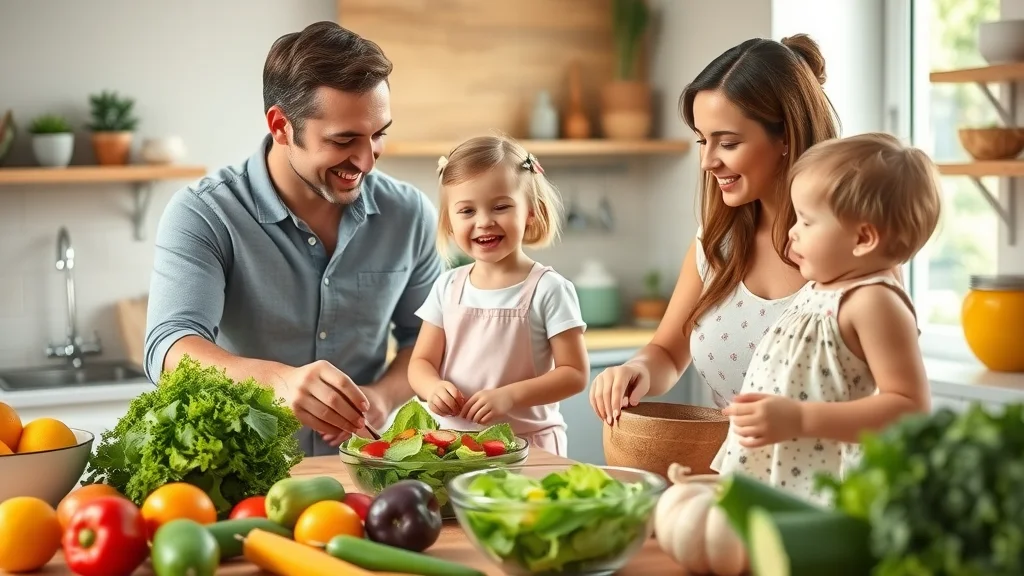
It isn’t just about what’s on the plate—healthy eating encompasses when, where, and with whom children eat. The ritual of sitting together for family meals, modeling balanced meal choices, and creating positive associations with food can influence a child’s emotional and social development. Supplying healthy food options, teaching children about food groups, and involving them in grocery shopping or meal prep can build their confidence to make good decisions. In today’s fast-paced world, focusing on healthy eating is one of the best investments you can make in your child’s future health and happiness.
Startling Facts: Why Healthy Eating Habits for Kids Matter
"Research shows that over one in three children is at risk of health issues directly linked to poor eating habits."
Poor eating habits in childhood quickly translate into negative health outcomes: according to recent public health research, overweight and obesity rates among kids are rising globally, affecting both physical and mental development. Kids who lack healthy eating habits are more likely to struggle with concentration in school, have lower immune function, and develop weight-related health concerns at a younger age. Alarmingly, children with unhealthy diets are twice as likely to continue poor eating and activity patterns into adulthood, amplifying their risk of chronic illnesses like type 2 diabetes or heart disease.
Encouraging healthy eating habits for kids isn't just a matter of nutrition—it's a major determinant of their entire quality of life. When children develop healthy habits, they're more likely to excel in academics, enjoy physical activity, and establish a positive relationship with food. These benefits highlight the urgent need for families and caregivers to actively foster these habits early, emphasizing nutritious meals, balanced snacks, and supportive environments that make healthy choices both easy and enjoyable.
What You'll Learn: Healthy Eating Habits for Kids
- Understanding core concepts of healthy eating habits for kids
- Simple household changes to improve eating habits
- The impact of family meals and role modeling
- How to encourage healthy eating, food variety, and balanced diet
- Practical lists, tools, and answers for busy families
Understanding Healthy Eating Habits for Kids
Understanding the basics of healthy eating habits for kids helps families create an environment where nutritious choices feel natural—not forced. At the core, healthy eating revolves around balance, variety, and moderation. The goal is to offer multiple food groups and minimize highly processed meals, added sugars, and saturated fats. Kids thrive on routines, so consistent meal times and snack schedules, combined with making healthy food the easy choice, help reinforce positive behaviors. Involving children in food-related decisions, from choosing recipes to helping in the kitchen or during grocery shopping, makes the process collaborative and empowering.
Kids are naturally curious eaters, so teaching them about different food groups, portion sizes, and what makes a balanced meal can inspire them to make healthy choices independently. Introducing a wide variety of foods—colorful fruits and vegetables, whole grains, lean protein, and dairy or plant-based alternatives—ensures that children receive all the essential nutrients they need for healthy growth. When parents and caregivers act as role models, consistently making healthy eating visible and enjoyable, kids are far more likely to develop lifelong healthy habits and a positive relationship with food.
As you focus on nurturing healthy eating habits, it's also valuable to consider how your approach to discipline and guidance shapes your child's overall well-being. Exploring positive parenting strategies can complement your efforts by fostering a supportive environment where children feel empowered to make good choices, both at the table and beyond.
Key Elements of Healthy Eating Habits for Kids
Laying a solid foundation for healthy eating habits for kids involves understanding several key elements. First, providing a wide variety of foods across all food groups exposes children to different nutrients, flavors, and textures, reducing the risk of picky eating and nutrient deficiencies. Teaching kids portion control is just as important as meal composition; eating the right amount helps support a healthy growth rate and energy level. Making water the go-to beverage, limiting sugar-sweetened drinks, and minimizing added sugar keeps energy stable and tooth decay at bay.
Building healthy eating habits also means paying attention to mealtime settings. Consistent, distraction-free family meals help kids focus on hunger and fullness cues, aiding them in making good decisions about when and how much to eat. Including children in meal planning, grocery shopping, and cooking teaches valuable life skills and demystifies nutrition. Remember that a healthy diet is not about perfection but about making informed choices more often than not, setting the stage for lifelong healthy habits.
| Food Group | Recommended Portion (per meal) | Nutritional Benefits |
|---|---|---|
| Fruits | ½–1 cup | Vitamins, fiber, antioxidants, hydration |
| Vegetables | ½–1 cup | Fiber, vitamins, minerals, phytonutrients |
| Whole Grains | ¼–½ cup | Complex carbs, B vitamins, energy, fiber |
| Lean Proteins | 2–3 oz (about palm-size) | Growth, muscle repair, iron, zinc |
| Dairy/Alternatives | 1 cup | Calcium, vitamin D, protein |
Why Early Eating Habits Set the Stage for Lifelong Health
Creating healthy eating habits for kids early on does more than keep children healthy as they grow—it actively shapes their health outcomes as adults. Research reveals that food preferences, eating patterns, and attitudes toward food begin forming in early childhood and can persist for decades. Children who regularly participate in family meals, are exposed to a variety of nutrient-rich foods, and receive consistent guidance from adults are statistically more likely to maintain good health, regulate body weight, and develop a healthy relationship with food in adulthood. By seizing this formative period, families can help their kids make healthy choices feel like second nature.
When families and caregivers invest in establishing healthy eating habits at a young age, they not only help their children avoid current pitfalls—like sluggishness, poor concentration, and frequent illness—but also reduce the risk of serious conditions later on. Early exposure to diverse foods, positive mealtime environments, and clear expectations around sugary snacks and portion sizes help ensure that children transition smoothly into adolescence and adulthood with a strong nutritional foundation. This preventative approach is critical for fostering resilience against modern health challenges, from the lure of fast food to the prevalence of sedentary lifestyles.
The Science Behind Healthy Eating and Childhood Development
"Patterns formed in childhood—such as family meal rituals and healthy choices—directly influence risks of obesity and chronic illness as adults."
Current dietary guidelines and childhood nutrition research agree: what children eat, and even how they eat, matters enormously. Children’s brains, bones, and immune systems are rapidly developing, which makes adequate nutrition and regular healthy eating essential. Scientific studies show that children who enjoy a healthy diet rich in whole grains, lean proteins, fruits, and vegetables perform better academically, demonstrate stronger memory skills, and exhibit more emotional stability. Conversely, kids who lack healthy eating habits for kids and frequently consume added sugar or saturated fat may struggle with concentration, energy, and impulse control.
The family environment is the single most influential factor in a child’s nutrition. Kids who see parents and guardians making healthy choices, prioritizing physical activity, and sitting down for regular family meals are much less likely to engage in unhealthy eating behaviors themselves. Positive food experiences, shared meals, and supportive conversation about nutrition foster resilience and equip children to navigate food-related peer pressure as they grow. The science couldn’t be clearer: helping kids build and maintain healthy eating habits is one of the most powerful predictors of good health later in life.
Foundations: Food Groups and Healthy Food Choices
At the heart of teaching healthy eating habits for kids lies understanding the basic food groups. Each group offers unique nutrients and health benefits essential for childhood growth and vitality. Encouraging a variety of foods from all groups helps ensure that kids receive the building blocks for energy, strong bones, cognitive function, and overall well-being. A healthy diet for children is not about rigid restriction but about offering balanced meals that appeal to their tastes and nutritional needs. Empowering kids to choose and enjoy foods from every food group makes balanced eating both achievable and enjoyable.
Making healthy food choices simpler begins with offering options that are colorful, fresh, and appealing. When children are introduced to fruits, vegetables, whole grains, and lean proteins early—and parents model positive attitudes about these foods—it sets up a greater chance for success. Regular family meals, creative food presentation, and involving kids in preparing their own plates further reinforce the message that healthy food belongs in every meal. Rotating choices within each food group keeps meals interesting and meets children’s needs for variety.
Exploring Each Food Group in a Healthy Diet
- Fruits
- Vegetables
- Whole grains
- Lean proteins
- Dairy & plant-based alternatives
Each food group plays a unique—yet interconnected—role in shaping healthy eating habits for kids. Fruits and vegetables are packed with vitamins, fiber, and antioxidants to support immune strength and digestion. Whole grains provide energy, fiber, and B vitamins for both growth and learning. Lean proteins deliver essential amino acids, supporting muscle repair and offering minerals like iron and zinc crucial for development. Dairy or fortified plant-based alternatives fuel bone growth with calcium and vitamin D. By incorporating all these groups in every meal, parents can confidently help children meet dietary guidelines and enjoy mealtimes without monotony or restriction.
When you present a wide variety of foods from each group, you encourage children to make healthy choices and discover new favorites. Involving kids in selecting, washing, and preparing produce—whether apples, spinach, berries, or sweet potatoes—opens up opportunities to talk about nutrition. Likewise, experimenting with different grains, proteins, and dairy substitutes increases the likelihood your child will consume a balanced diet and appreciate the importance of moderation and diversity in their meals.
How to Choose Healthy Food for Kids
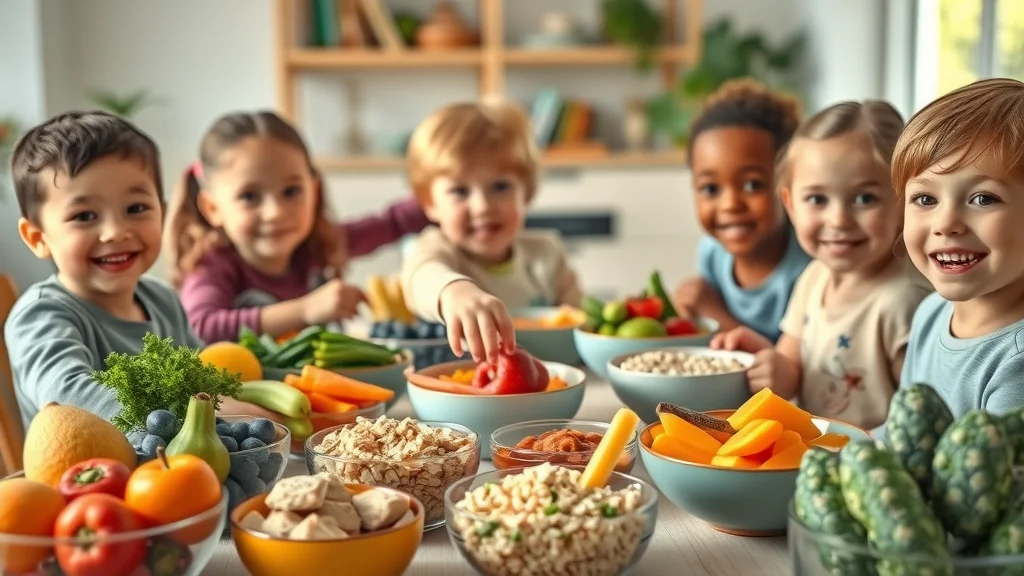
Choosing healthy food for kids should feel less like a chore and more like an exciting, educational experience. The best approach is to prioritize whole, minimally processed options—foods that are as close to their natural state as possible. When shopping, aim to fill half your cart or basket with seasonal fruits and vegetables, one quarter with whole grains like brown rice or quinoa, and the remaining quarter with lean proteins such as chicken, beans, or fish. Always check food labels for added sugar and saturated fat; the shorter and simpler the ingredient list, the better.
Don’t forget about smart snack strategies—keep cut fruits, yogurt cups, veggies with hummus, and homemade trail mixes on hand for quick snacks. Let your child help plan meals and choose one new “adventure food” each week to try together. If your family is managing food allergies, be extra mindful about ingredient lists and ask your child how different foods make them feel. Healthy eating habits thrive when children are involved, curious, and encouraged to make healthy choices for themselves, laying the ground for a positive lifelong relationship with food.
Encourage Healthy Eating: Making It Fun and Sustainable
Creating healthy eating habits for kids is most successful when the process is engaging, collaborative, and even fun. Kids respond well to colorful presentations, positive reinforcement, and a hands-on approach to food preparation. Simple tweaks—such as turning snack time into an art project with rainbow veggies or inviting children to help with grocery shopping—can turn reluctance into curiosity. The goal is to weave healthy eating into daily life so that it feels natural, enjoyable, and part of family culture, rather than an imposed rule. Involve kids consistently, praise their adventurous choices, and keep things positive and pressure-free for the best chance at lasting results.
Making healthy eating sustainable means building on small successes and choosing habits that your family can maintain over time. Rotate food options, try new recipes, and celebrate little victories (like your child liking a new vegetable) to keep motivation high. When healthy habits become connected to family rituals, celebrations, and traditions, they become not just a set of rules, but a cornerstone of identity—something kids are proud to share with others, even outside the home.
Engaging Activities and Recipes for Healthy Eating Habits for Kids
- Colorful snack plates
- Simple, hands-on meals
- Involving kids in grocery shopping
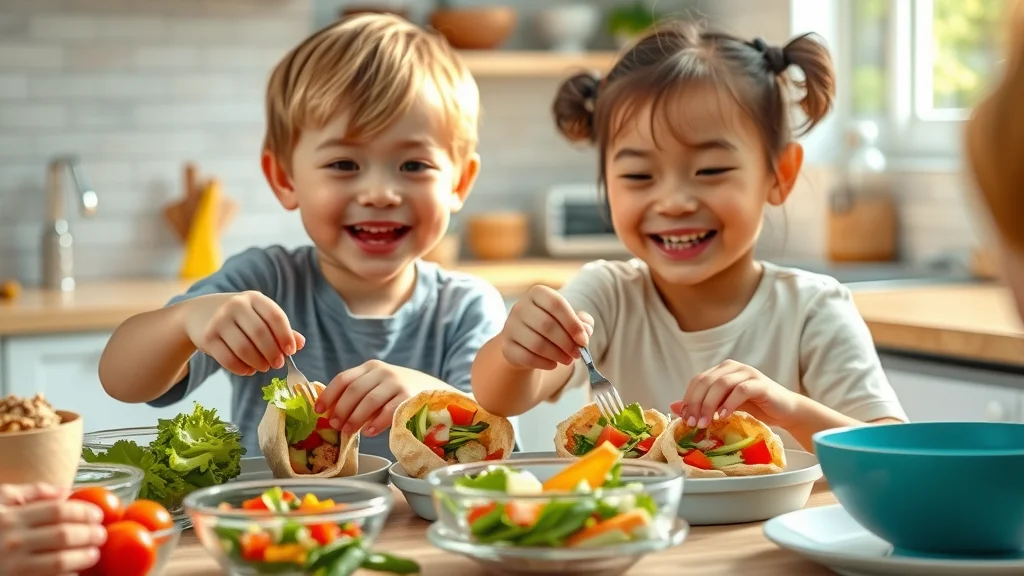
Kids love to interact with their food, so turning snacks and meals into hands-on activities can significantly boost their willingness to try new items. Build “rainbow” snack plates filled with a variety of colorful fruits and vegetables, letting kids arrange their own patterns and choose their favorites. Create build-your-own meals—like taco bars or salad stations—where children select and assemble their meals from healthy options. Not only does this support their autonomy, but it also encourages a wide variety of foods and increases the likelihood of accepting new flavors.
Take advantage of grocery shopping as an educational outing. Give your child a small shopping list, or let them choose a new item from the produce aisle each week. Talk about where foods come from and why some choices are healthier than others. These little rituals build knowledge and confidence, turning ordinary routines into learning opportunities that foster healthy eating habits for kids—and make the process enjoyable for everyone involved.
Family Meals: Building Healthy Eating Habits Together
"Children who share regular family meals develop better eating habits and stronger family bonds."
The tradition of enjoying regular family meals does more than keep bellies full—it nurtures lifelong healthy eating habits for kids. When families sit together to share balanced meals, kids get to observe positive role modeling from parents and siblings, fostering social skills and healthy attitudes toward food. Family meal times present perfect opportunities to try new foods together, talk about the taste and nutrition of ingredients, and offer positive reinforcement for good choices.
Moreover, kids who frequently eat with their family are less likely to consume sugary sodas, fast food, and snacks high in saturated fat. They also tend to get more fruits, vegetables, and whole grains, building a healthier overall diet. Family meals don’t have to be complex; even quick, simple dinners or weekend breakfasts count as opportunities to bond and reinforce healthy eating. Consistently prioritizing shared mealtimes, however brief, lays a foundation of healthy habits, family connection, and better lifelong health.
Role Modeling Healthy Eating Habits for Kids
Children learn by example, making parents and guardians the most powerful role models for establishing and sustaining healthy eating habits for kids. Demonstrating healthy eating—by making nutritious choices, planning balanced meals, and expressing enthusiasm about healthy food—has a lasting influence on children’s decision-making. Integrating healthy options into your routine, from snacks to beverages, helps normalize these choices for kids, while including them in meal prep or grocery shopping gives them ownership over their food environment.
Actively involving children in meal-related activities—such as choosing recipes, helping in the kitchen, or growing a small herb garden—teaches them about the full journey of food. Use these moments to discuss the benefits of fruits and vegetables, whole grains, and lean proteins for energy, concentration, and overall well-being. Consistently making healthy choices yourself sends a much stronger message than any lecture ever could, empowering kids to follow your example.
How Parents and Guardians Influence Healthy Eating Habits
- Tips for being a role model
- Integrating healthy choices into daily routines
Being a positive role model for healthy eating starts with attitude. Talk positively about healthy foods—describe their flavors, colors, and textures in appealing ways. Avoid labeling food as “good” or “bad,” and focus on balance and moderation. Keep healthy snacks accessible, pack balanced lunches, and limit processed treats to occasional rewards. Show that you also choose water over sugary drinks and include physical activity in your own life. Children naturally imitate adult behaviors, so your efforts toward eating a healthy diet will be mirrored by them over time.
Integrate healthy choices into daily routines: begin every grocery shopping trip with a plan, involve children in reading food labels, and ask for their input on meals. Make it enjoyable by experimenting with new recipes or healthy alternatives for family favorites. Celebrate progress and milestones, like trying a new vegetable or completing a week of family meals together. Your commitment to a healthy life—through both words and actions—is one of the strongest predictors of whether your children develop and sustain healthy eating habits for the long term.

Healthy Eating Habits for Kids at Home and School
The foundation of healthy eating habits for kids extends beyond the home environment to the school cafeteria and extracurricular settings. Consistency is key—children benefit from uniform messages and practices regarding nutrition, whether at the dining table, in their lunchbox, or during class parties. Setting clear expectations and preparing children for different environments makes it easier for them to make healthy choices independently, even when adults are not present. Work with teachers, daycare providers, or coaches to reinforce your family's approach to nutrition, and communicate with your child about how to identify and choose healthier options at school functions.
Encourage your child to pack (or select) balanced meals that include all major food groups—and don’t forget the importance of hydration! Help them plan for busy days by prepping snacks and reviewing daily menus together. Take a proactive approach by teaching them to navigate peer pressure and make trade-offs when healthy options are limited. These skills, combined with family support, help kids build the confidence to prioritize their health and well-being wherever they go.
Strategies for Consistency in Different Environments
Developing and maintaining healthy eating habits for kids requires practical strategies that adapt to both home and school environments. Start by setting a strong foundation at home with routines: regular family breakfasts, consistent after-school snack times, and set expectations for what constitutes a balanced meal. Practice lunchbox planning with your children, ensuring every box includes fruits, veggies, whole grains, and sources of lean protein. Equipping them with colorful, appealing, and convenient options increases the chance they’ll choose healthy foods even when unsupervised.
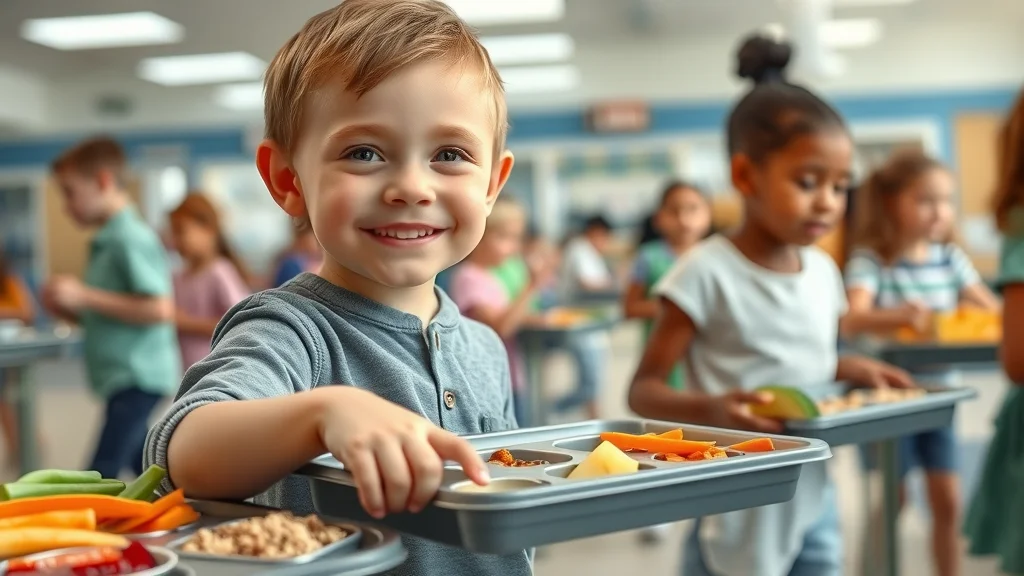
At school, educate kids about why and how to make the healthiest choices, whether at the cafeteria line or at a classroom celebration. Encourage your children to advocate for themselves if they have food allergies or restrictions, and practice reading ingredient labels on packaged foods. Where possible, collaborate with teachers and other parents to promote healthy snacks, minimize sugary treats, and keep celebrations nutritious but fun. Consistent messages across environments reinforce healthy behaviors as the “norm,” building lifelong skills that serve children well into adulthood.
Navigating School Lunches and Parties
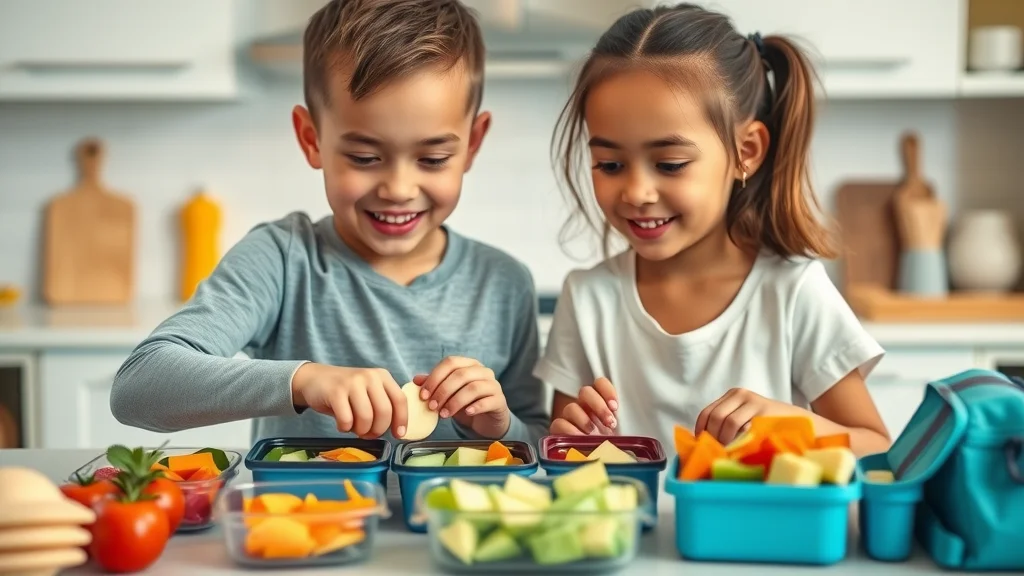
School lunches, birthday parties, and social gatherings often throw nutritional curveballs—but with a little planning, you can help your child maintain healthy eating habits even during these events. Prior to school lunch, review menus together (when available) and highlight the healthiest options. If your child brings lunch from home, involve them in preparing a balanced meal: a whole grain sandwich with lean protein, crunchy carrot sticks, a piece of fruit, and water. Use bento boxes or insulated containers for variety and freshness, making the meal visually appealing and fun to eat.
Parties and celebrations usually involve sweets and processed snacks, but you can reduce the impact by teaching your child how to moderate. Encourage them to enjoy treats in small amounts and to fill up on healthier items first. When hosting or contributing to class parties, offer to bring fresh fruit, veggie trays, or wholesome mini-muffins as inclusive, crowd-pleasing options. Above all, foster open conversations with your child about making smart choices in different environments, assuring them that it’s okay to enjoy special foods in moderation as part of a healthy, active lifestyle.
Limiting Added Sugar and Saturated Fat: Practical Tips
Healthy eating habits for kids are closely tied to limiting two main dietary culprits: added sugar and saturated fat. Many popular snacks and drinks are high in added sugars, which can contribute to weight gain, irritability, and dental issues. Likewise, foods containing excess saturated fat—such as fried snacks, pastries, and some ready-to-eat meals—are linked to greater risks of heart disease and other chronic illnesses if overconsumed. For optimal health, the American dietary guidelines recommend that children limit both added sugar and saturated fat, replacing them with whole, nutrient-rich foods wherever possible.
Practical ways to reduce added sugar and saturated fat include reading nutrition labels closely, choosing natural sources of sweetness (like fruit) instead of processed desserts, and using healthy cooking methods such as grilling or baking over frying. Encourage kids to make healthy swaps, like plain yogurt with berries in place of sugary options, and lean proteins instead of processed meats. With simple guidance and consistent practice, these small shifts can make a big difference to your child’s health—and lay the groundwork for mindful eating as they grow.
Understanding Labels and Moderating Treats
One of the best ways to limit added sugar and saturated fat is by empowering children to understand nutrition labels and ingredient lists. Teach them to identify “hidden” sugars with names like sucrose, corn syrup, and fructose, and to look for foods where sugar appears further down the list. Point out the differences between naturally occurring sugars (found in fruits and milk) versus those added during processing. Guide your child to limit treats such as candies, sodas, and bakery goods to special occasions, reinforcing that moderation is key for a healthy life.
For saturated fat, focus on healthy fats from avocado, olive oil, nuts, and seeds. Avoid processed foods high in palm oil or hydrogenated fats. When preparing meals, encourage the use of lean cuts of meat, plenty of vegetables, and whole grains. Help your child practice reading nutrition facts by comparing similar products during grocery shopping, letting them help choose the healthiest option. Building label literacy is a vital skill, enabling kids to make healthy choices far beyond childhood.
Physical Activity: A Partner to Healthy Eating Habits for Kids
Nutrition and physical activity go hand in hand—working together to support a healthy weight, strong bones, and optimal development. Children who balance healthy eating habits with an active lifestyle are better equipped to maintain good physical and mental health. The synergy between nutritious foods and movement helps regulate energy levels, manage stress, and boost mood. Encouraging kids to participate in daily activity—whether it’s organized sports, biking, swimming, dancing, or family walks—complements the benefits of a healthy diet and instills a positive, holistic approach to lifelong wellness.
Incorporating activity into your family's daily routine can be simple and fun: walk or bike to school when possible, have dance-offs in the living room, or challenge each other to outdoor games on weekends. Physical movement not only supports physical well-being but also provides bonding moments as a family. Emphasize the message that a healthy life includes both nourishing your body and keeping it moving—an empowering lesson that will help your child thrive at every stage.
Combining Healthy Eating Habits with Exercise
How can you combine healthy eating habits for kids with an active lifestyle? Begin by establishing routines that include both healthy foods and daily activity. Start mornings with a balanced breakfast, followed by a walk to school or a few minutes of stretching. Pack water bottles and fruit for outings so that healthy fuel is always available. Try to find activities your child enjoys, such as soccer, cycling, or swimming, which makes sticking with them long-term more likely. Talk about how different foods provide the energy needed for their favorite activities and celebrate the connection between eating well and feeling great.
Regular physical activity also regulates appetite, making it easier for children to understand and trust their hunger cues. This balance helps prevent overeating, supports stronger muscles and bones, and develops lifelong habits of making healthy choices. By presenting healthy eating and movement as equally important—and fun—parts of daily life, you help your children build resilience, confidence, and physical well-being for years to come.
People Also Ask About Healthy Eating Habits for Kids
What are 10 healthy habits for kids?
Ten healthy habits for kids include: eating a balanced meal with all food groups, drinking plenty of water, limiting sugary drinks, being physically active every day, enjoying meals at the table without screens, trying new foods regularly, eating breakfast daily, washing hands before meals, getting enough sleep, and talking openly about food choices. Encouraging these habits at home sets children up for a lifetime of good health.
What is the 5 2 1 0 rule for kids?
The 5-2-1-0 rule is a simple guideline to help families promote healthy habits: eat 5 or more servings of fruits and vegetables daily; limit recreational screen time to less than 2 hours per day; get at least 1 hour of physical activity; and consume 0 sugary drinks. By following this rule, kids are more likely to develop strong, lasting healthy eating habits and be physically active every day.
What are healthy eating habits for kids?
Healthy eating habits for kids involve choosing a variety of nutritious foods—fruits, vegetables, whole grains, lean proteins, and dairy (or alternatives)—and eating balanced meals at regular times. It also means limiting processed snacks, added sugar, and saturated fat, drinking water instead of sweetened drinks, and enjoying meals with family. Teaching these habits equips kids for a lifetime of positive health outcomes.
What are 5 healthy eating habits?
Five top healthy eating habits are: eating a wide variety of foods, including all food groups; filling half the plate with fruits and vegetables; choosing whole grains over refined grains; selecting lean protein sources; and limiting added sugars and saturated fat. Practicing these habits consistently leads to improved growth, development, and lifelong nutrition.
Simple, Actionable Lists for Building Healthy Eating Habits for Kids
- Healthy snack swaps: Yogurt with fruit instead of ice cream, air-popped popcorn instead of chips, baked sweet potato fries rather than regular fries.
- Smart lunchbox ideas: Whole-grain wraps with lean turkey and veggies, hummus with carrot and celery sticks, fruit kabobs, cheese cubes with whole-grain crackers, hard-boiled eggs.
- Grocery staples for healthy eating habits: Fresh fruits, leafy greens, whole grain bread, brown rice, lean meats, eggs, low-fat dairy or plant-based milk, unsalted nuts, and seeds.
Frequently Asked Questions on Healthy Eating Habits for Kids
-
How can I get my picky eater to try new foods?
Encourage curiosity by involving them in food prep, presenting foods in fun shapes or colors, and offering new options alongside favorites. Avoid pressure—repeated gentle exposure can help overcome resistance over time. -
Is organic food necessary for healthy eating habits?
Organic food isn’t required for a healthy diet; focus on fresh, whole foods and variety. Rinse produce thoroughly and choose local or seasonal options when possible. -
How much screen time is too much in relation to eating habits?
Limiting screens during meals builds mindful eating and helps children recognize hunger cues. Aim for meals without screens and keep recreational screen time under 2 hours daily for better health outcomes.
Key Takeaways: Building Healthy Eating Habits for Kids
- Early habits shape lifelong health
- Variety and moderation are essential
- Family meals and role modeling make a difference
Ready to Build Lasting Healthy Eating Habits for Kids? Start Today!
Building healthy eating habits for kids doesn’t have to be overwhelming. Begin with small changes, involve your children, and make every meal an opportunity for growth, learning, and connection—your family’s health is worth it!
If you’re inspired to take your family’s well-being to the next level, consider how your parenting style can further support healthy habits. Embracing a positive, nurturing approach not only encourages better eating but also strengthens your child’s confidence and emotional resilience. For a deeper dive into fostering a supportive home environment, explore the principles of positive parenting—you’ll discover strategies that go hand-in-hand with healthy eating, helping your child thrive in every aspect of life. Start building a foundation where nutrition, encouragement, and connection work together for lifelong wellness.


Write A Comment